

Ce qui fait de la nouvelle machine à freinage à pression CNC une amélioration de précision?
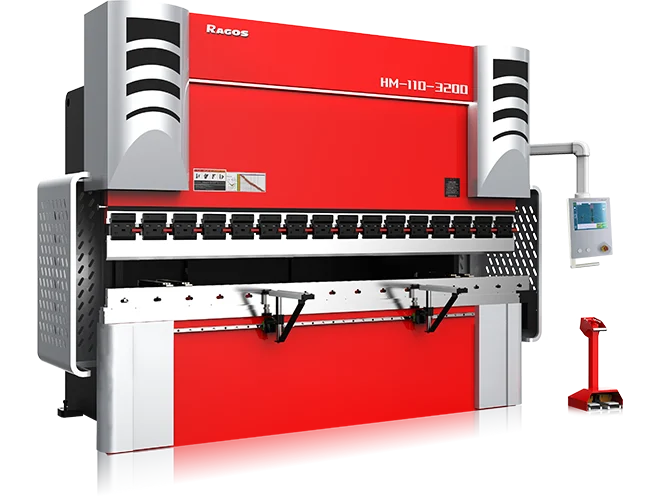
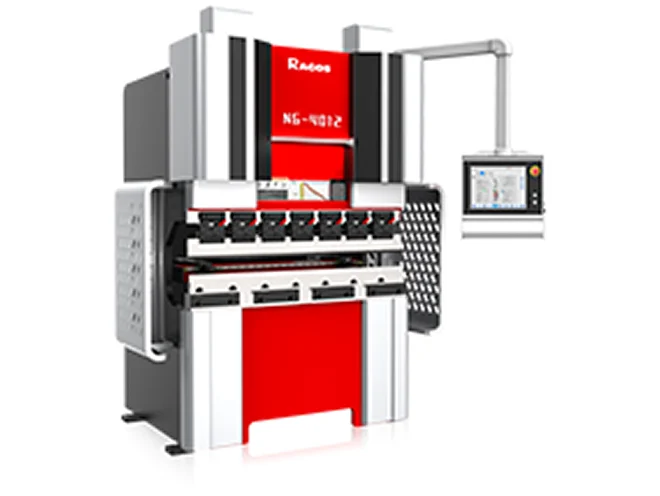
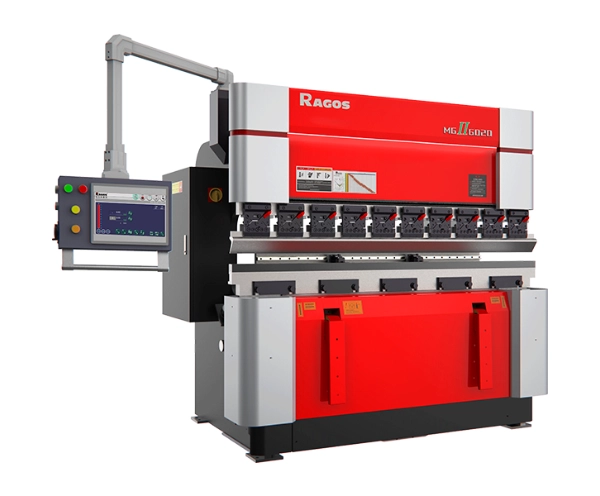
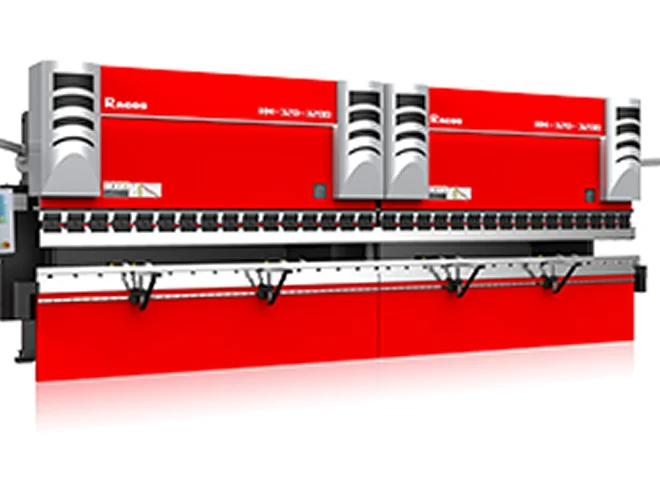
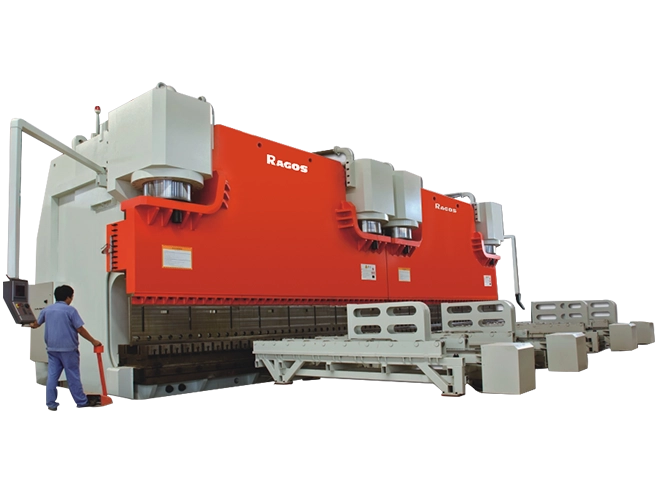
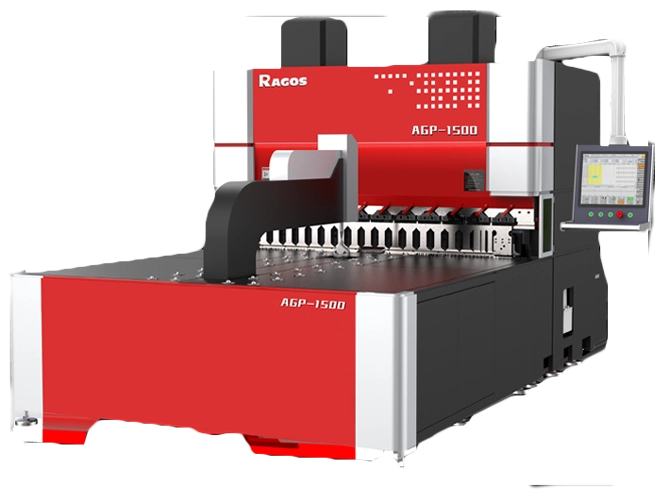
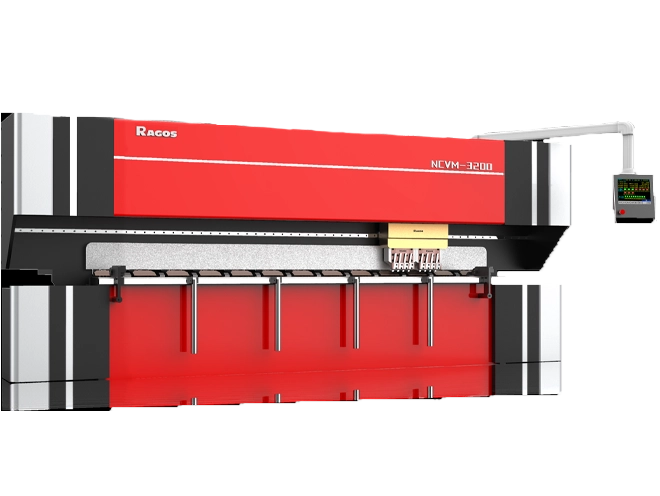
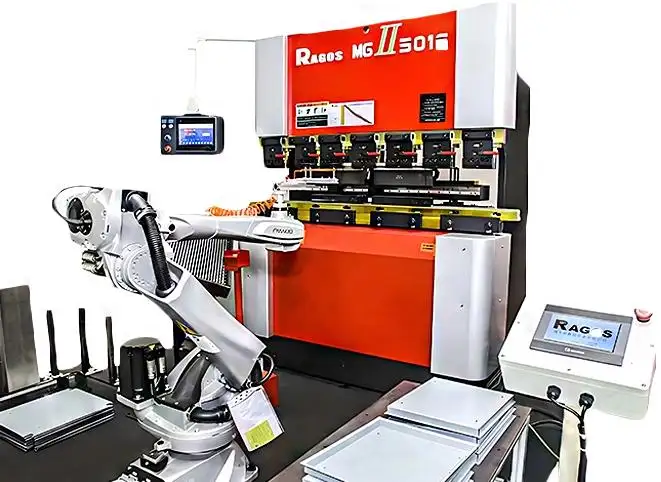
La nouvelle machine à frein à pression CNC est un système de flexion conçu pour la précision et la rapidité. Il combine des commandes CNC avancées avec une manipulation robotique pour maintenir des angles stables et des changements de vitesse. Vérifications d’angle laser : coudes, essai, courbes. Les capteurs de sécurité protègent les personnes sans ralentir la file d’attente. Les outillages et les anti-pinces sont choisis pour s’adapter aux pièces réelles, Pas de théorie. Il vise à résoudre la dérive, retravailler, et les lacunes de main-d’œuvre. Mais qu’est-ce qui différencie sa précision d’un frein à pression standard ?? Et comment cela reste-t-il régulier toute la journée? Découvrons ça ensuite.
Pourquoi la nouvelle machine à frein à pression CNC est une mise à niveau de précision
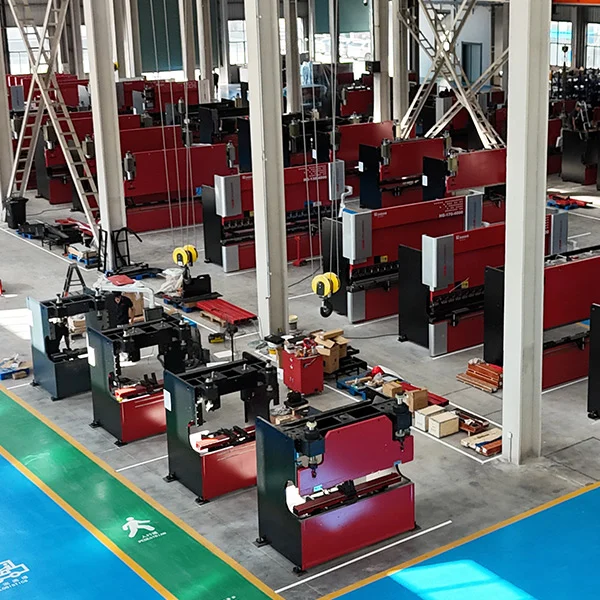
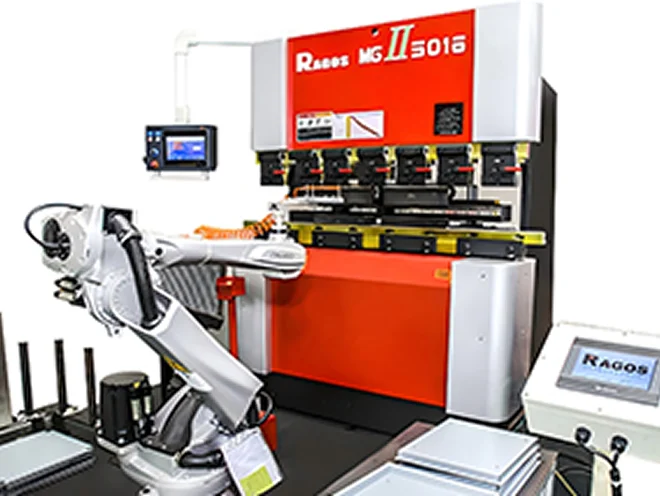
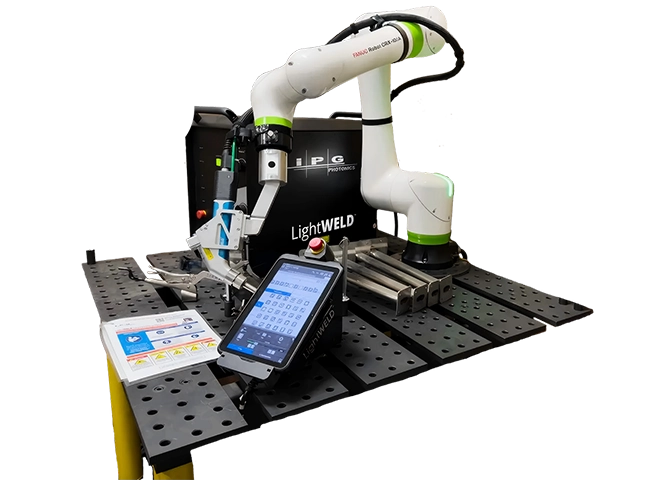
Les constructeurs se battent contre trois problèmes persistants: Variation d’angle, Perte de réglage, et les lacunes de main-d’œuvre. La nouvelle machine à frein à pression CNC s’attaque aux trois. Nos cellules de flexion associent des freins à pression CNC avancés avec des robots de FANUC, QUI, FIGUE, ou Yaskawa, et des contrôles intelligents tels que DELEM, CELA, et Cybelec. Le système maintient un mouvement fluide et reproductible. On obtient des courbes constantes entre les shifts et les matériaux.
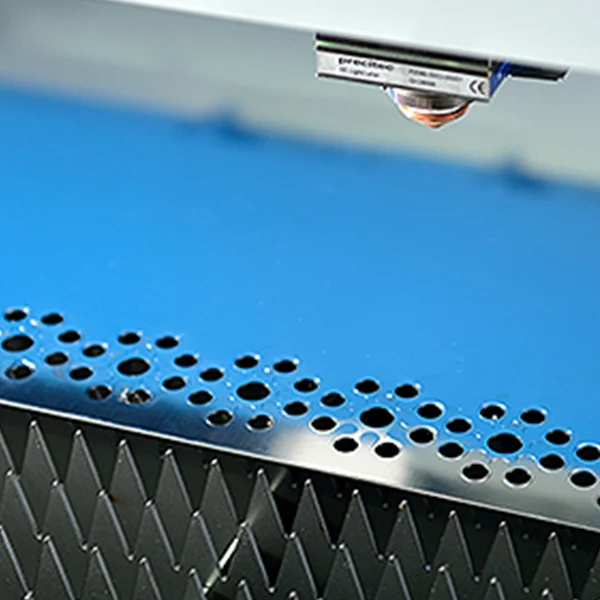
La précision commence à la mesure, Pas de refonte. Notre contrôle d’angle assisté par laser (développé avec Data-M & Composants de la vision) vérifie les angles après le premier coup, Applique alors la correction automatique. Une précision supérieure à ±0,1° signifie moins de courbure d’essai et moins de ferraille. La sécurité soutient aussi la précision. Un rideau lumineux DSP Laser forme une zone de protection mobile qui arrête le mouvement dès qu’un obstacle entre dans le champ. Les opérateurs peuvent travailler avec confiance, et les interruptions dues aux quasi-accidents chutent.
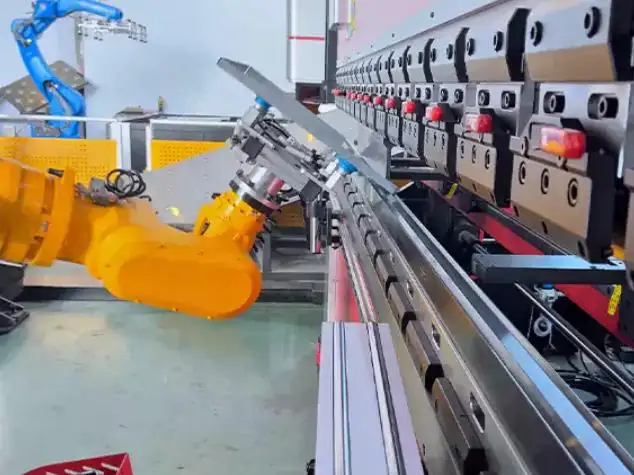
Nous nous concentrons également sur l’écosystème des bends- outillage, Serrage, et manutention des pièces. Outillage et serre-joints de haute qualité compatibles (Wila, Amada, Rôles) Réduire la déflexion et les changements de vitesse. Nos pinces sur mesure à extrémités de bras manipulent des plaques fines, Plaques épaisses, Tubes, et des enclos sans rayures. Chaque point de contact est stable, et cette stabilité se manifeste par des angles plus serrés et des surfaces plus propres.
✅ Vrais problèmes que nous résolvons
• Dérive d’angle entre les changements de vitesse ou les opérateurs
• Approbation lente du premier article due aux vérifications manuelles
• Pénurie de main-d’œuvre qualifiée au niveau du frein à piston
• Défauts de surface liés à la manipulation manuelle et aux regrips
• Changements coûteux lors d’un passage entre des courtes périodes
À l’intérieur de la cellule de flexion JS RAGOS
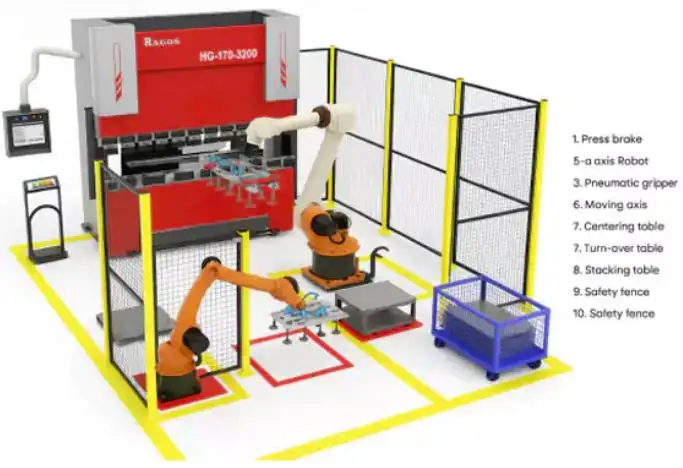
La nouvelle machine à freinage à pression CNC atteint son plein potentiel à l’intérieur d’une cellule de flexion bien conçue. Nous commençons par un flux de matériaux clair pour éviter de revenir en arrière et d’attendre. Une disposition typique inclut une plaque de chargement pour les feuilles brutes, une table d’alignement pour le pré-positionnement, La zone de flexion, et une plaque de déchargement pour les pièces finies. Les armoires de sol maintiennent les outils et les accessoires en ordre, Ainsi, les opérateurs passent du temps à produire plutôt qu’à chercher.
Notre robot de flexion 7 axes ajoute de la portée et de la flexibilité. Il peut travailler sur des pièces plus longues avec un contrôle stable et se déplacer sur le côté lorsqu’un opérateur doit plier manuellement une pièce supplémentaire. Ce mode hybride est pratique. Cela permet de préserver le débit tout en gardant les options ouvertes pour les pièces spéciales et les tâches urgentes. Une station dédiée à basculement ou reprise tourne les pièces pour des courbes multilatérales avec un repositionnement précis. Il réduit les levées manuelles et préserve la précision sur des géométries complexes.
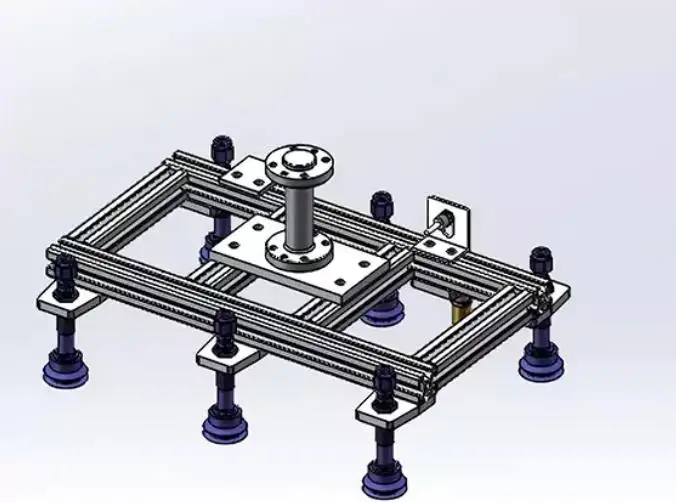
Nous concevons et fabriquons également nous-mêmes les grippes chez JS RAGOS. Cela est important car la stabilité des pièces dépend du bon contact, vide, ou pince au bon endroit. Prise équilibrée, Conformité accordée, et les surfaces sans rayures contribuent toutes à des cycles plus rapides et à des angles répétables. Quand la maniabilité est bonne, Le frein à pression peut faire son travail sans interruption.
✅ Composants clés en un coup d’œil
- Chargement et alignement pour une alimentation régulière
- Zone de flexion avec contrôle CNC intelligent
- Station de retournement/reprise pour pièces multi-faces
- Déchargement et stockage organisé pour une sortie fluide
Logiciel, Intégration, Et le retour sur investissement
La précision est aussi un problème de planification. Notre logiciel 3D hors ligne prépare à la fois le robot et la machine avant que la première feuille ne se pose sur le fond de la jauge. Il calcule automatiquement les poignées et les trajectoires, génère un code CNC pour le frein à pression et le robot, et permet de synchroniser les deux. Les outils visuels permettent aux ingénieurs d’ajuster les chemins avec des points de contrôle simples. Cela réduit le temps d’apprentissage et raccourcit les changements de vitesse pour un mélange élevé, Œuvres à faible volume- Exactement là où de nombreux magasins perdent de la marge.
- Pourquoi le logiciel est important?
• Prise automatique et planification de trajectoire pour un réglage plus rapide
• Réglage visuel pour résoudre les collisions avant la production
• Support pour les pinces à vide et à pince, Rails, et un empilement facile
• Code CNC pour machine et robot afin de synchroniser les processus
L’affaire est simple. Des angles constants après un coup signifient moins de courbes de test et moins de ferraille. La manipulation automatisée réduit l’intensité de travail et comble les équipes difficiles à pourvoir. Plateformes de contrôle flexibles (EN PARTIE, CELA, Cybelec) et le support multi-marques des robots (FANUC, QUI, FIGUE, Yaskawa) Protégez votre investissement. Tu peux faire évoluer la cellule, change tooling, ou ajouter de nouvelles pièces sans recommencer.
Pour de nombreuses plantes, La première victoire est la stabilité- Même angle, Même temps, toujours. La seconde est le flux- pas de piles de travaux en cours en attente du retour d’un expert. La troisième est la sécurité- Des rideaux lumineux qui préviennent les accidents et maintiennent un temps d’activité élevé. Ensemble, Cela permet de débloquer un pliage à haute efficacité qui répond aux exigences modernes de planification et de qualité.
Appel à l’action
Si vous évaluez une nouvelle machine à freinage à pression CNC pour votre usine intelligente, parle à JS RAGOS. Partagez quelques dessins de pièces, et nous simulerons une cellule de flexion avec des pinces personnalisées, Options d’outillages, et un plan de cyclisme réaliste. Vous verrez à quel point ±0,1° a vérifié la précision au laser, Contrôle synchronisé des robots CNC, et une automatisation sécurisée peut augmenter le débit et réduire le coût unitaire- sans ajouter de personnel.
Prêt à explorer votre amélioration de la précision? Contactez JS RAGOS pour une revue de candidature et un concept de cellules de flexion personnalisé. Nous vous aiderons à transformer la variabilité en répétabilité, et la répétabilité en profit.