

Machine de pliage contrôlée Delem: Guide complet de l’acheteur pour les systèmes de freins à presse CNC
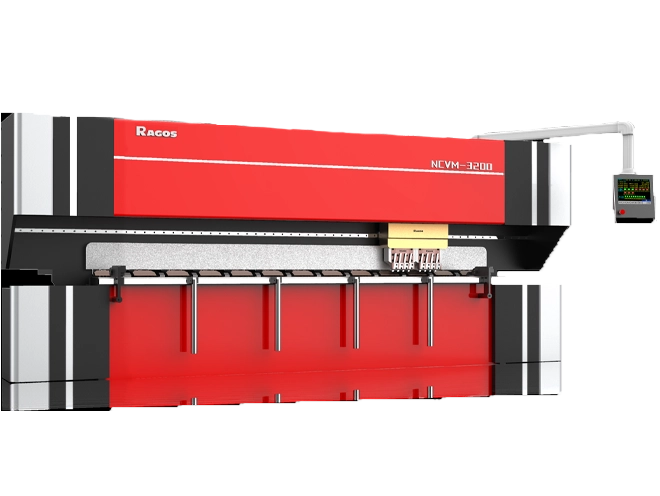
AMachine de pliage contrôlée par Delem est le choix standard pour les ateliers de tôlerie qui nécessitent une précision, Des courbes répétables — et il est facile de comprendre pourquoi. Les contrôleurs CNC Delem sont spécialement conçus pour les freins à pression, Offrant aux opérateurs un contrôle d’angle serré, Séquençage automatisé, et une interface tactile qui réduit considérablement le temps d’installation. Que vous équipiez une nouvelle ligne de fabrication ou que vous amélioriez un frein à pression existant, comprendre le fonctionnement des machines contrôlées par Delem vous aidera à prendre une meilleure décision d’achat.
Ce guide couvre les modèles de manettes, Étapes de sélection de la machine, Applications réelles, et ce qu’il faut rechercher à la fois dans la manette et dans la machine elle-même.
Qu’est-ce qu’une machine de plie contrôlée par Delem?
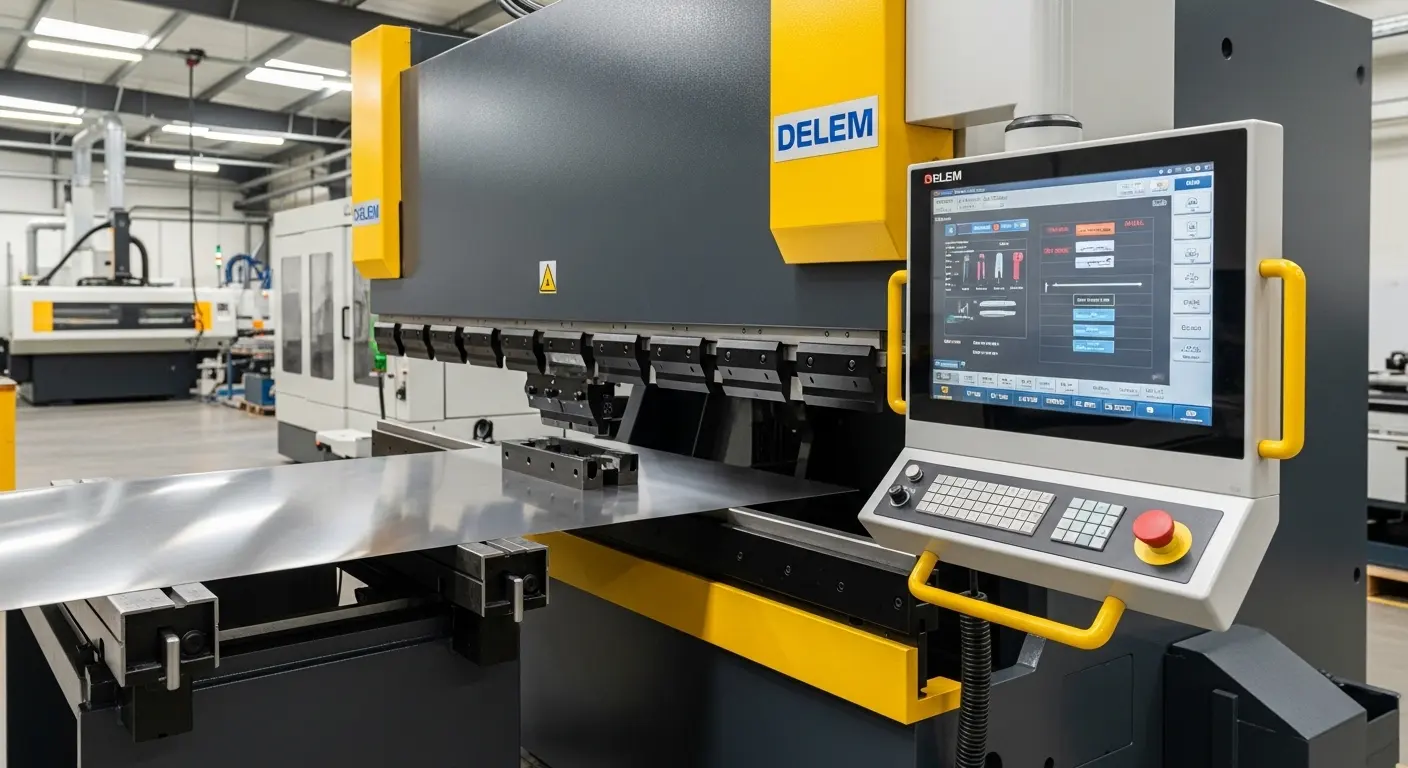
AMachine de pliage contrôlée par Delem est un frein à pression CNC qui utilise un contrôleur Delem — un système logiciel-matériel spécialisé de Delem, une entreprise basée aux Pays-Bas — chargée de gérer les mouvements de l’axe, Angles de flexion, Positionnement arrière de la jauge, et la programmation de production.
Le contrôleur agit comme le cerveau du frein à pression. Il coordonne chaque mouvement effectué par la machine: Jusqu’où se déplace le bélier, Comment le calibre arrière positionne le matériau, Quand le virage est terminé, et quelle correction appliquer si l’angle dérive. Tout cela se fait via un écran tactile haute résolution que les opérateurs utilisent pour programmer, simuler, et la production.
Au cœur de tout ça, aMachine de pliage contrôlée par Delem donne des fabricants:
- Une précision d’angle aussi serrée que ±0.03 mm
- Calcul automatisé de séquence de courbure
- Correction d’erreurs en temps réel et retour d’information
- Simulation graphique 2D ou 3D (Dépendant du modèle)
- Connectivité USB et intégration logicielle hors ligne
Les contrôleurs Delem sont installés sur des freins à pression par des dizaines de fabricants à travers le monde. Cette adoption large signifie que la plateforme est bien documentée, Largement desservi, et digne de confiance dans des environnements de production exigeants.
Pourquoi les fabricants choisissent une machine de pliage contrôlée par Delem
La raison principale pour laquelle les fabricants spécifient Delem: Régularité à l’échelle. Quand vous produisez des centaines ou des milliers de pièces pliées identiques, Toute variation d’angle ou de positionnement crée de la ferraille, retravailler, et des retards coûteux. AMachine de pliage contrôlée par Delem Supprime la plupart de cette variation en automatisant ce qui reposait auparavant entièrement sur les compétences et l’expérience de l’opérateur.
Voici ce qui stimule l’adoption:
Précision et répétabilité – Les algorithmes avancés de contrôle de l’axe Y de Delem synchronisent le mouvement de la RAM des deux côtés de la machine, Éviter les courbes irrégulières. Vous obtenez le même résultat sur la partie 1 et la partie 1,000.
Temps d’installation réduit – Les opérateurs mettent en charge les programmes sauvegardés, simuler des courbes à l’écran, et détecter les collisions d’outils avant que la machine ne bouge. Dans les magasins où les changements d’emploi sont fréquents, Cela justifie à lui seul l’investissement.
Facilité d’utilisation – Les interfaces tactiles graphiques rendent les contrôleurs Delem accessibles aux nouveaux opérateurs. La courbe d’apprentissage est plus courte que dans la plupart des systèmes CNC anciens ou génériques.
Évolutivité – L’architecture Modusys de Delem vous permet d’ajouter des modules de contrôle à mesure que vos besoins en production augmentent. Vous n’êtes pas enfermé dans une configuration fixe.
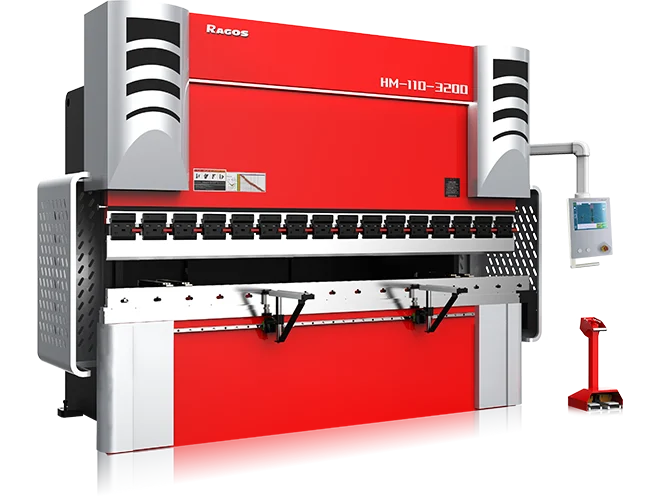
Pour les ateliers qui ont besoin d’un service fiableMachine de pliage à freins à pression CNC avec un support à long terme et des voies de mise à niveau, Les systèmes contrôlés par Delem livrent régulièrement.
Modèles de contrôleurs Delem: Lequel convient à votre machine de maîtrise contrôlée par Delem?
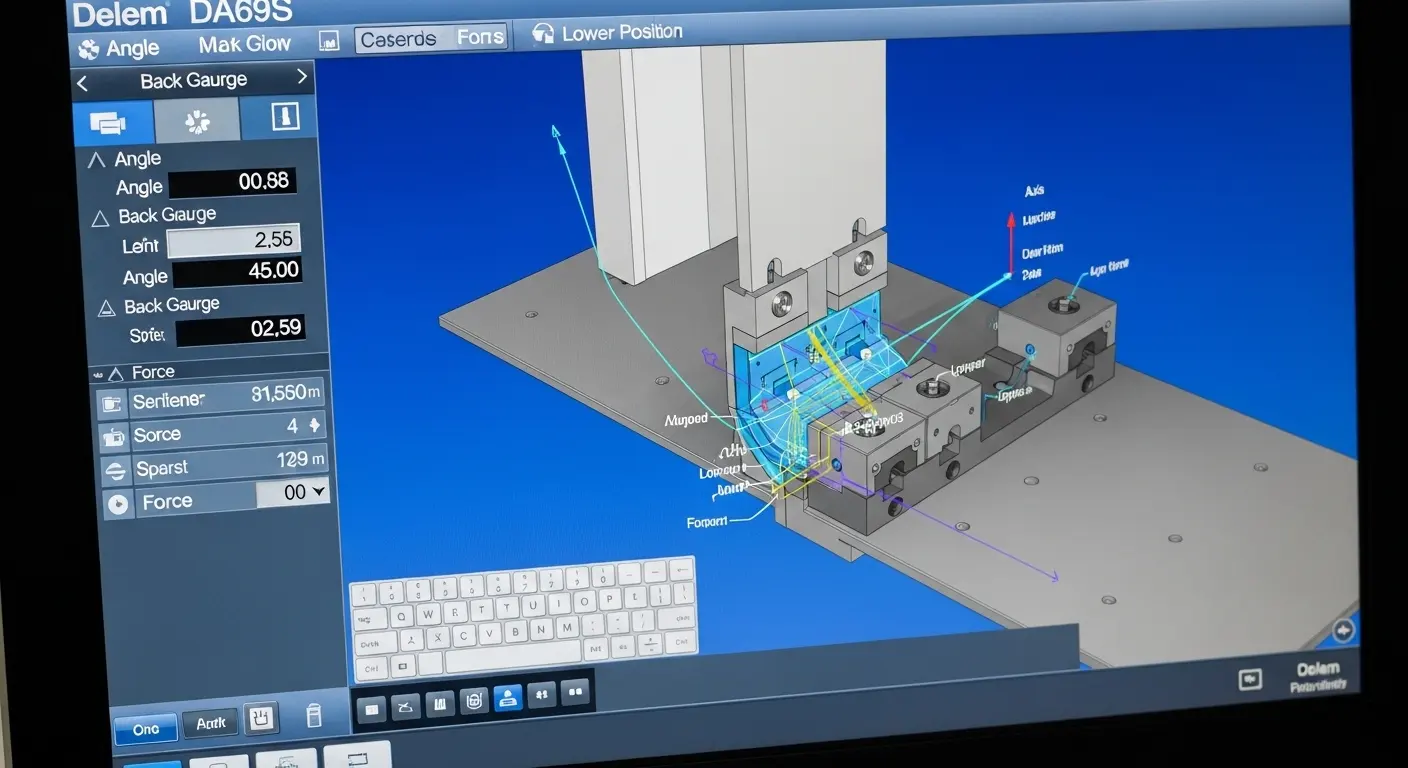
Pas tousMachines de pliage contrôlées par Delem sont construits de la même façon. Le modèle de contrôleur détermine ce que la machine peut faire — le nombre d’axes, Profondeur de programmation, Capacité de simulation, et niveau d’automatisation. Voici un aperçu pratique des principaux modèles.
DA53T / DA53Tx — Précision d’entrée de gamme
Le DA53T est équipé d’un 10.1" Écran tactile et contrôles jusqu’à 4 axes (Y1, Y2, plus deux auxiliaires). Le DA53Tx le met à niveau en 15" Affichage avec une disposition de navigation plus propre. Les deux sont simples, Contrôleurs économiques conçus pour le travail de flexion standard.
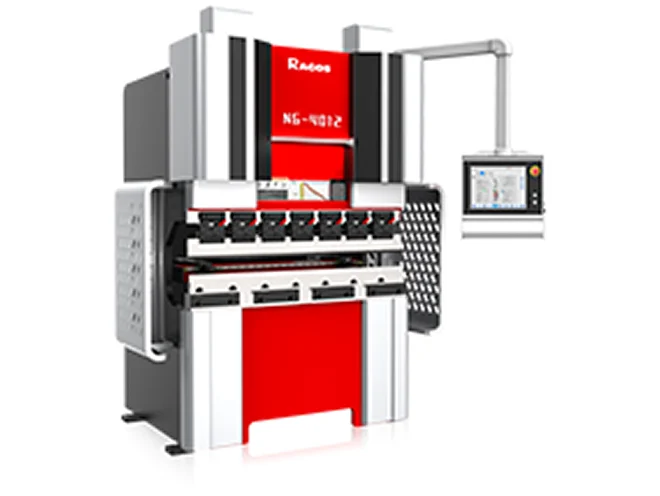
Si vous commencez par unFrein à pression 3 axes avec contrôle Delem, la série DA53T est une correspondance naturelle.
Le meilleur pour: Flexion de base à modérée, Acheteurs soucieux des coûts, les opérateurs débutant dans les freins à pression CNC.
DA66S — Capacité 2D/3D milieu de gamme
Le DA66S roule avec un 24" écran tactile et prend en charge la programmation graphique 2D et 3D. Les opérateurs peuvent visualiser l’ensemble de la machine en 3D avant le début de la production, détection des conflits d’outils et des erreurs de positionnement dans la simulation. Il prend également en charge Delem Modusys pour une future extension de modules.
Le meilleur pour: Environnements de production mixtes, Ateliers exploitant à la fois des pièces simples et complexes, Développement des lignes de fabrication.
DA69S / DA69T — Performance multi-axe avancée
LeContrôleur de frein à pression Delem DA69S est l’option la plus capable de Delem, supportant jusqu’à 8 axes 1 avec une simulation 3D complète, Flexion adaptative, Retour de capteur, et détection automatique des collisions. Le DA69T s’appuie sur cela avec un format d’écran encore plus grand et des capacités matérielles supplémentaires.
Pour les boutiques qui gèrent unFrein à pression CNC 8 axes avec Delem DA69T, C’est le contrôleur qui libère tout le potentiel de la machine.
Le meilleur pour: Géométries complexes, Travail de précision à haut volume, Fabrication aérospatiale et automobile.
| Modèle | Écran | Axes | Programmation | Meilleure application |
|---|---|---|---|---|
| DA53T | 10.1" | 4 | Standard | Flexion de base |
| DA53Tx | 15" | 4 | Standard | Ateliers de taille moyenne |
| DA66S | 24" | Multi | 2D 3D | Production complexe |
| DA69S | 24" | 8 1 | Adaptatif 3D complet | Advanced fabrication |
| DA69T | 24"+ | 8 1 | Capteur 3D complet | Travail de haute précision |
Comment sélectionner la bonne machine de flexion contrôlée par Delem
Choisir unMachine de pliage contrôlée par Delem Il ne s’agit pas seulement de choisir la manette la plus puissante. Il s’agit d’adapter le système à ce que votre atelier produit réellement au quotidien.
Étape 1: Définissez votre complexité de flexion
Pour les supports et panneaux simples, une machine basée sur DA53T est plus que suffisante. Pour les pièces avec 6 courbes et tolérances serrées, il te faudra au moins un DA66S ou un DA69S.
Étape 2: Compte les haches dont tu as besoin
Plus d’axes signifie plus d’automatisation. AFrein à pression CNC de 100 tonnes avec Delem DA53T gère bien la fabrication standard de l’acier. Une machine à axe supérieur automatise le mouvement de la jauge arrière, Couronnement, Et plus encore — ça vaut le coup pour une production à haute mixage.
Étape 3: Considérez votre niveau d’expérience d’opérateur
Les écrans tactiles Delem sont intuitifs, mais le DA69S offre bien plus de fonctionnalités à apprendre. Commencer avec une manette plus simple puis les améliorer plus tard est une voie réaliste et économique pour faire croître les boutiques.
Étape 4: Ajustez le tonnage à votre matériau
AFrein à pression CNC de 100 tonnes pour acier Supporte de manière fiable une flexion modérée. Pour des plaques plus épaisses ou en inox, Assurez-vous que le tonnage de la machine correspond à ce que le contrôleur est conçu pour gérer.
Étape 5: Confirmez la compatibilité logicielle hors ligne
Delem inclut un logiciel de programmation hors ligne avec chaque niveau de contrôleur — Profile-T pour la série DA53, Profile-S2D pour le DA66S, et Profile-S3D pour le DA69S. Assurez-vous que votre équipe de programmation puisse utiliser ces outils en dehors de l’atelier pour maintenir la machine en marche pendant la préparation des tâches.
La machine derrière le contrôleur: Ce dont le frein à pression lui-même a besoin
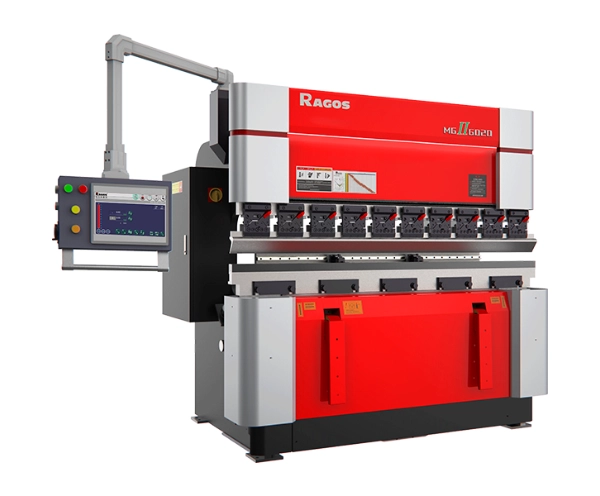
Un contrôleur Delem ne fonctionne que aussi bien que la machine sur laquelle il est installé. AMachine de pliage contrôlée par Delem il faut un cadre structurellement solide, Calibre de précision, et une hydraulique de qualité pour pleinement exploiter les capacités du contrôleur.
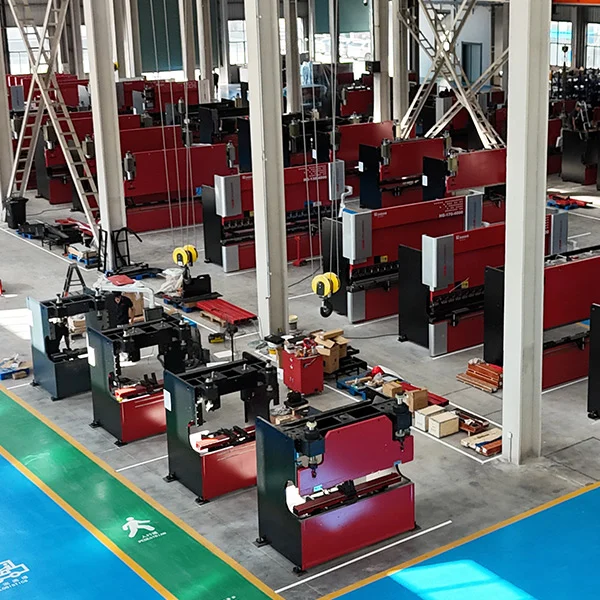
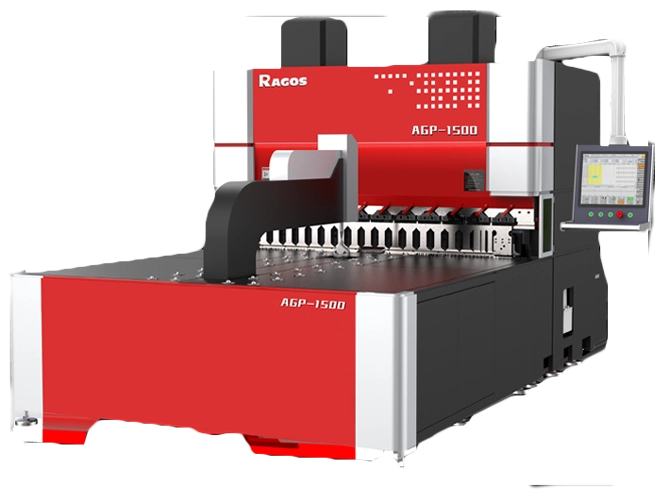
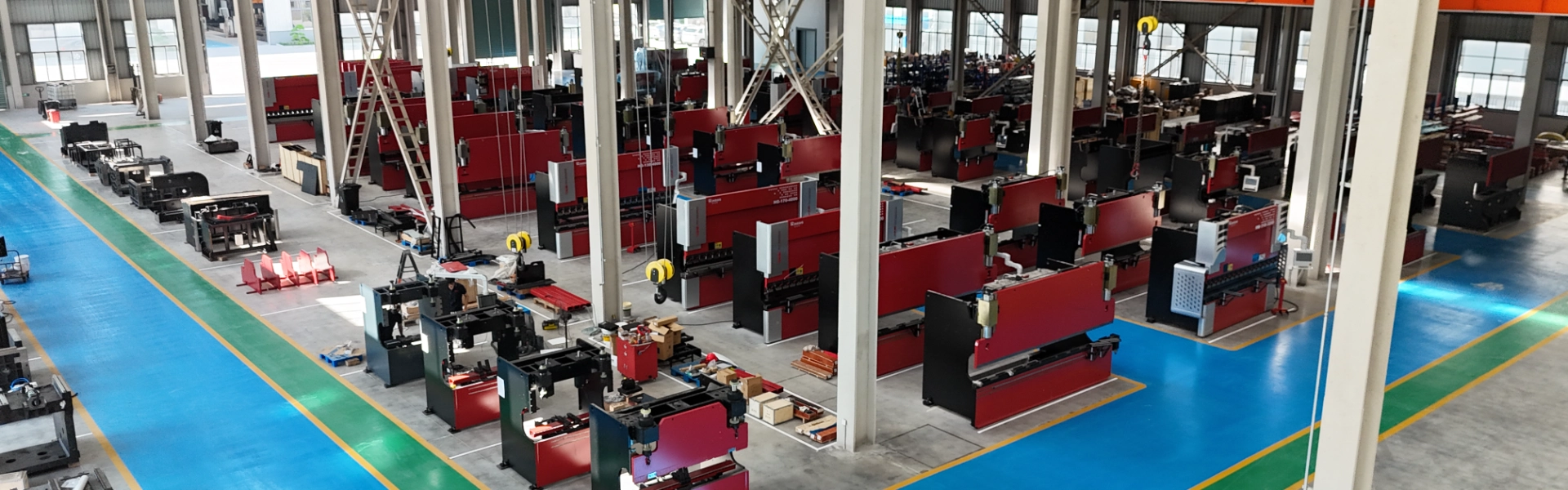
À JS RAGOS, chaque cadre de frein à pression subit un traitement thermique de soulagement de contrainte et un usinage CNC sur toutes les surfaces de montage critiques. Cette préparation structurelle est ce qui maintient les angles de flexion constants sur des milliers de cycles de production — pas seulement les premiers. Les machines prennent en charge les contrôleurs Delem sur toute leur gamme, y compris leFrein à pression électrique Portée pour des opérations écoénergétiques.
Fonctionnalités clés de la machine à associer à toutMachine de pliage contrôlée par Delem:
- Cadre soudé à haute résistance — réduit la flexion sous charge, Essentiel à la cohérence des angles
- Calibre à vis à billes avec guides linéaires — devait toucher le ±0.0Précision de positionnement de 3 mm pour laquelle les systèmes Delem sont conçus
- Synchronisation servo-hydraulique — fonctionne directement avec les algorithmes de l’axe Y de Delem pour un contrôle même de la RAM
- Compatibilité large des outillages — Wila, Style Amada, et les systèmes d’outillages européens fonctionnent tous avec des freins à pression équipés de Delem
Machine de pliage contrôlée Delem: Applications industrielles
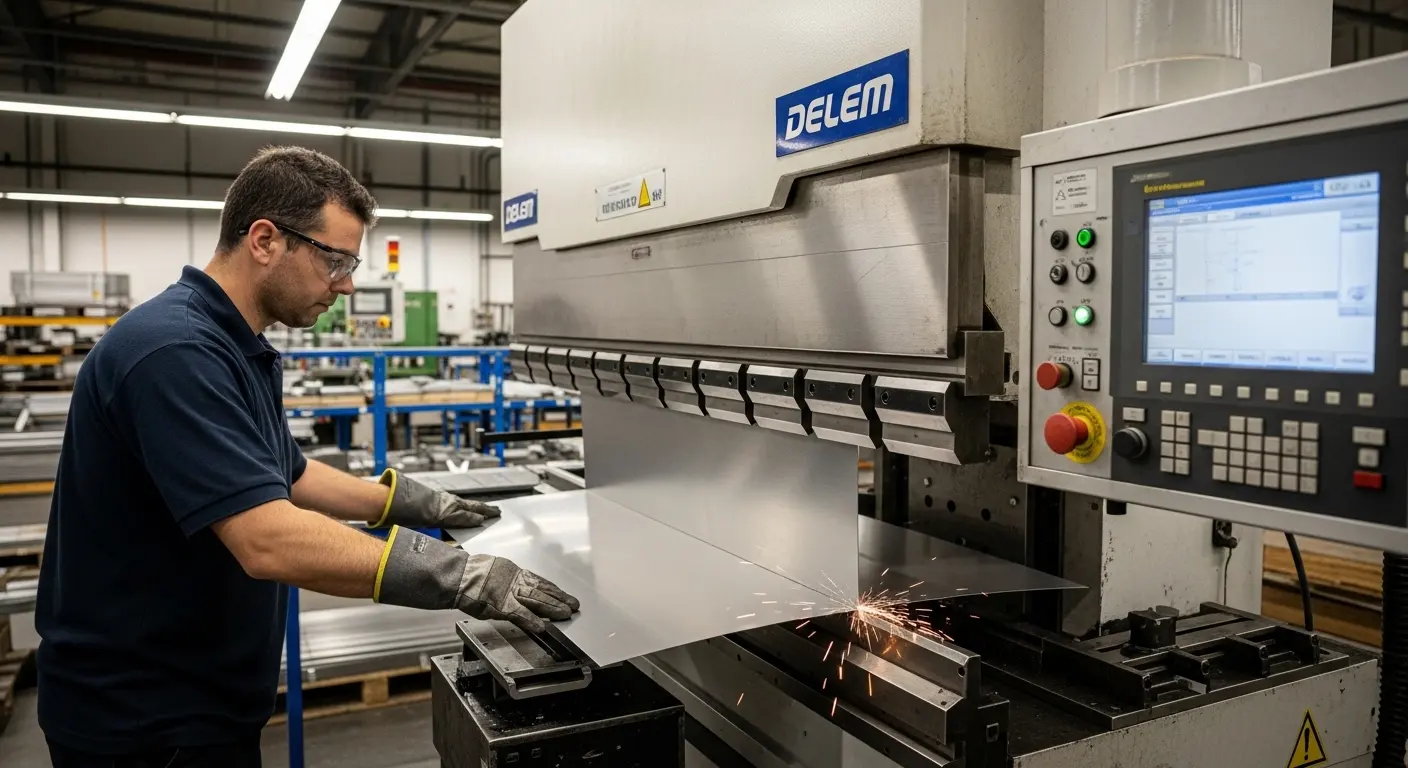
La flexibilité d’unMachine de pliage contrôlée par Delem le rend pratique dans une grande variété d’environnements de production.
Automobile — Supports châssis, Panneaux de carrosserie, et les composants structurels nécessitent une répétabilité exacte en volume. Les contrôleurs Delem gèrent la production en haut cycle avec une sortie cohérente après exécution.
Aérospatial — Des tolérances strictes sur des feuilles fines d’aluminium ou de titane exigent un retour en temps réel des capteurs et une correction adaptative — caractéristiques intégrées aux DA69S et DA69T.
Fabrication d’armoires et d’enceintes — Les changements fréquents d’emploi sont la norme dans ce secteur. La bibliothèque de programmes stockés de Delem et ses fonctionnalités de configuration rapide réduisent considérablement le temps de cycle par tâche.
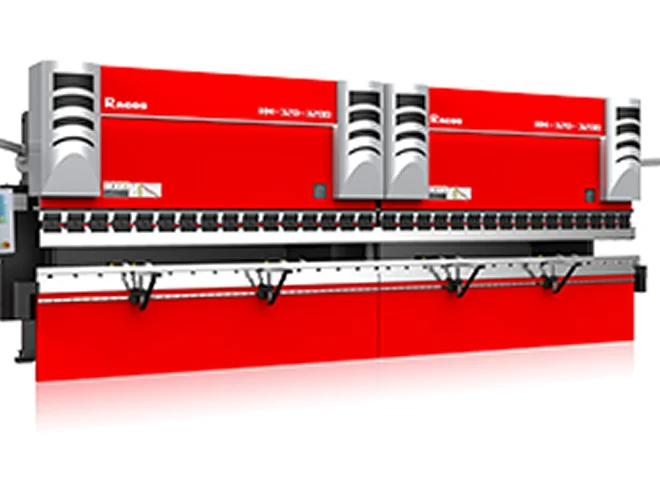
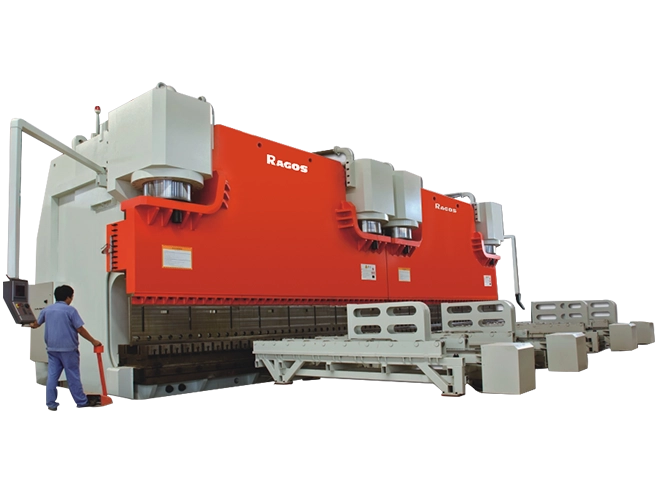
Construction et acier de structure — Les plaques plus épaisses et les matériaux plus lourds nécessitent une machine à haute tonnage. AMachine de pliage contrôlée par Delem à 100 tonnes ou plus, les plaques de travail pour poutres, Cadres, et des supports structurels avec contrôle CNC complet.
Fabrication de dispositifs médicaux — Petit, Les pièces complexes avec une géométrie serrée bénéficient de la simulation 3D et de la détection de collisions avant le début de la production. Le DA69S est un choix courant ici.
Pour un regard plus approfondi sur ce qui définit la meilleure configuration pour votre type de production, Le guide surMeilleures machines à freins à pression CNC couvre en détail les principales spécifications.
Qu’est-ce qui distingue une machine de pliage contrôlée par Delem des systèmes CNC génériques
Beaucoup de freins à pression sont livrés avec des contrôleurs basiques ou propriétaires qui font le travail, mais manquent de l’écosystème logiciel que Delem a construit. AMachine de pliage contrôlée par Delem donne aux fabricants accès à des fonctionnalités que les systèmes génériques n’offrent tout simplement pas:
Programmation hors ligne — Emplois de programme à un poste de travail, Pas sur le sol de l’atelier. Cela permet à la machine de faire tourner la production pendant que le prochain projet est préparé.
Détection de collision 3D — Le contrôleur vérifie les trajectoires des outils en simulation avant que la pression ne bouge. Cela évite des collisions coûteuses entre machines à outils et des installations gaspillées.
Flexion du capteur — Certains modèles DA69 utilisent des capteurs d’angle pour mesurer la courbure réelle en temps réel et corriger automatiquement. Les contrôleurs génériques reposent sur des paramètres prédéfinis sans retour en temps réel..
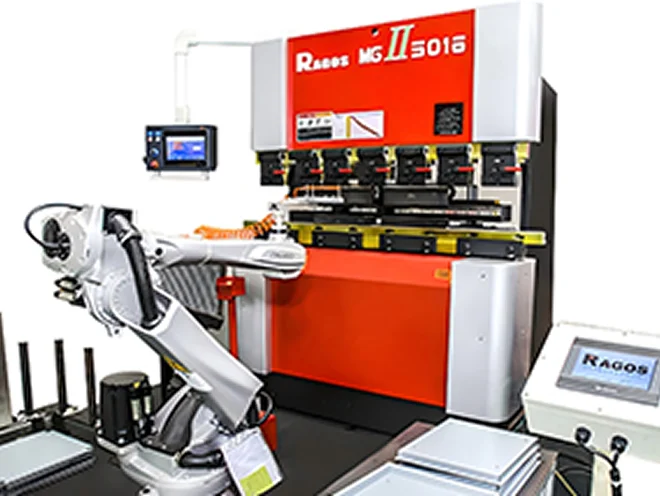
Expansion modulaire via Modusys — Ajouter une mesure d’angle laser, Support automatisé des matériaux, ou des modules d’interface robotique sans remplacer l’ensemble du système de contrôle.
Pour les fabricants qui commencent leur évaluation, aMachine de pliage CNC avec commande DA53T est un point d’entrée solide qui vous offre tout de même l’environnement logiciel Delem et la voie de mise à niveau.
Foire aux questions sur les machines de pliage contrôlées par Delem
Qu’est-ce qu’une machine de plie contrôlée par Delem?
Une machine de pliage contrôlée Delem est un frein à pression CNC équipé d’un contrôleur Delem — un système spécialement conçu aux Pays-Bas qui gère le mouvement des axes, Angles de flexion, outillage, et la programmation de production via une interface tactile.
Quel contrôleur Delem est le meilleur pour les débutants?
Les DA53T et DA53Tx sont les options les plus adaptées aux opérateurs. Ils utilisent une navigation tactile intuitive à raccourci clavier, programmation simple, et sont bien adaptés aux ateliers qui ont besoin d’un pliage CNC fiable sans courbe d’apprentissage abrupte.
Puis-je installer un frein à pression avec un contrôleur Delem?
Oui, dans de nombreux cas. Les contrôleurs Delem peuvent être adaptés à des machines existantes si les systèmes hydraulique et électrique sont compatibles. Un intégrateur certifié Delem ou le fabricant de votre machine peut confirmer la compatibilité avant que vous ne vous engagez.
Quelle est la différence entre le DA66S et le DA69S?
Le DA66S gère la programmation 2D et 3D et fonctionne bien pour la production complexe. Le DA69S ajoute jusqu’à 8 contrôles à un axe, Courbure des capteurs, Correction d’angle adaptative, et la simulation 3D en temps réel — ce qui en fait l’option de premier plan pour les travaux critiques de précision ou à haute complexité.
Une machine de pliage contrôlée par Delem vaut-elle l’investissement ??
Pour les ateliers produisant des volumes constants de pièces en tôle, Oui. Le temps gagné lors de la configuration, La réduction de la ferraille, et la répétabilité à travers les séries de production offre des rendements mesurables — surtout comparé aux alternatives CNC réglées manuellement ou de base.