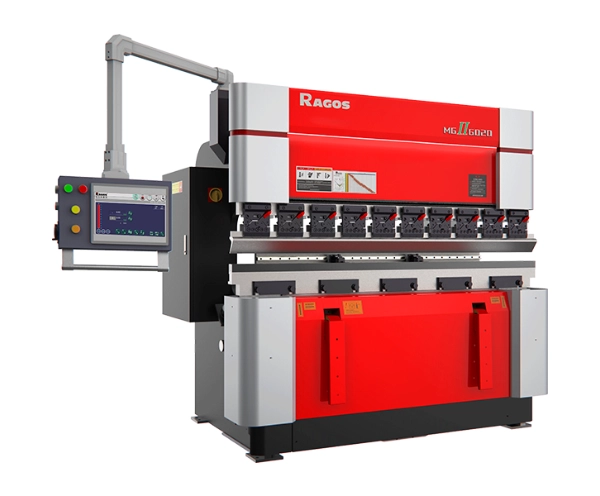
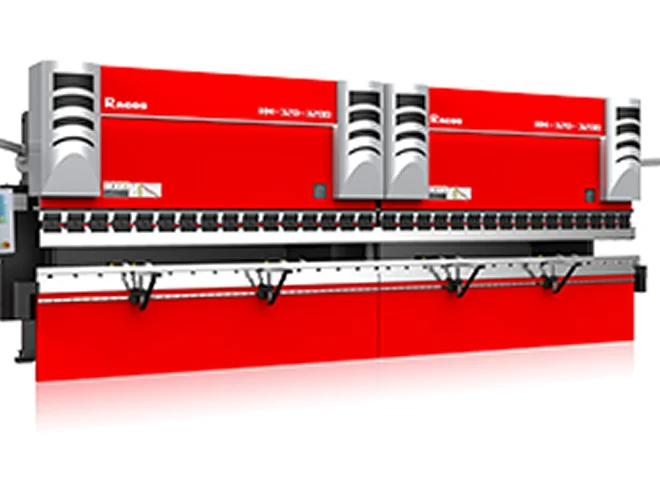
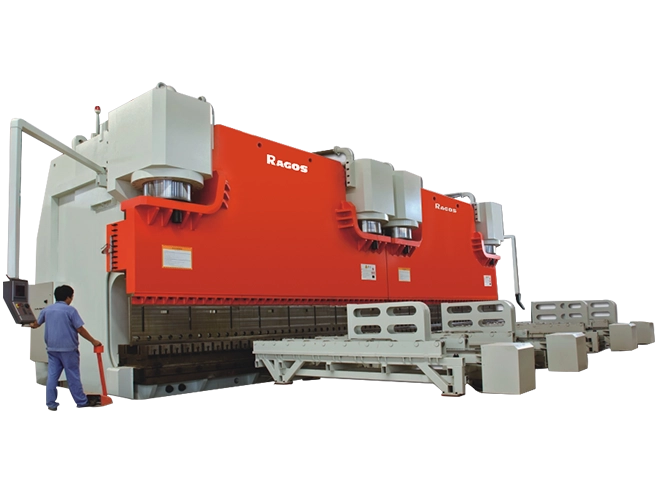
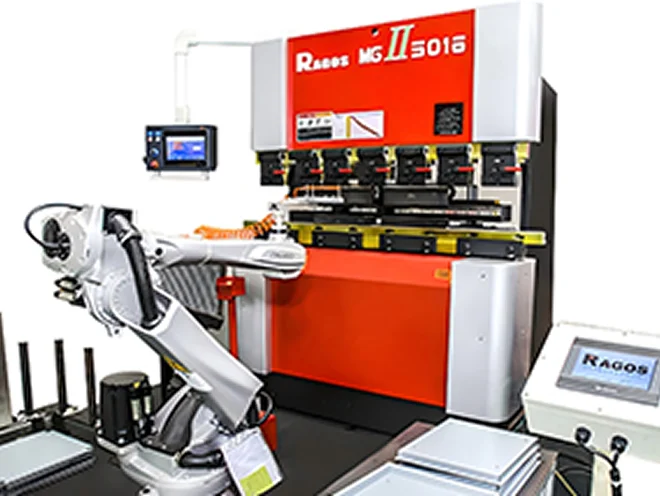
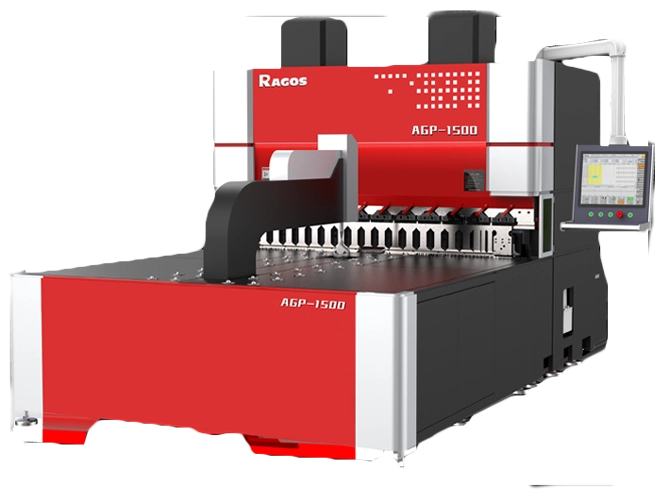
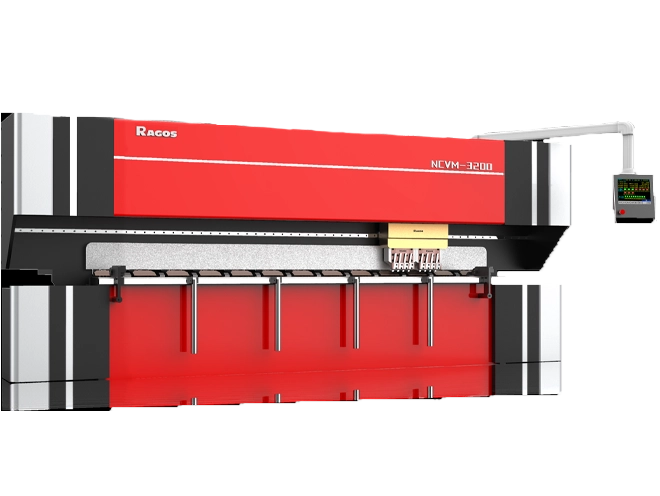


Machine pliante pour l’industrie de la construction: Utilisations clés et avantages
Alors que les projets de construction modernes mettent davantage l’accent sur des composants métalliques plus résistants, profils plus propres, et une meilleure efficacité de production, Les applications de la Machine à plier pour l’industrie de la construction continuent de s’élargir. Des systèmes de toiture aux cadres de porte et supports structurels, Technologie de maîtrise joue un rôle pratique en transformant des tôles plates en pièces adaptées aux besoins réels de la construction.
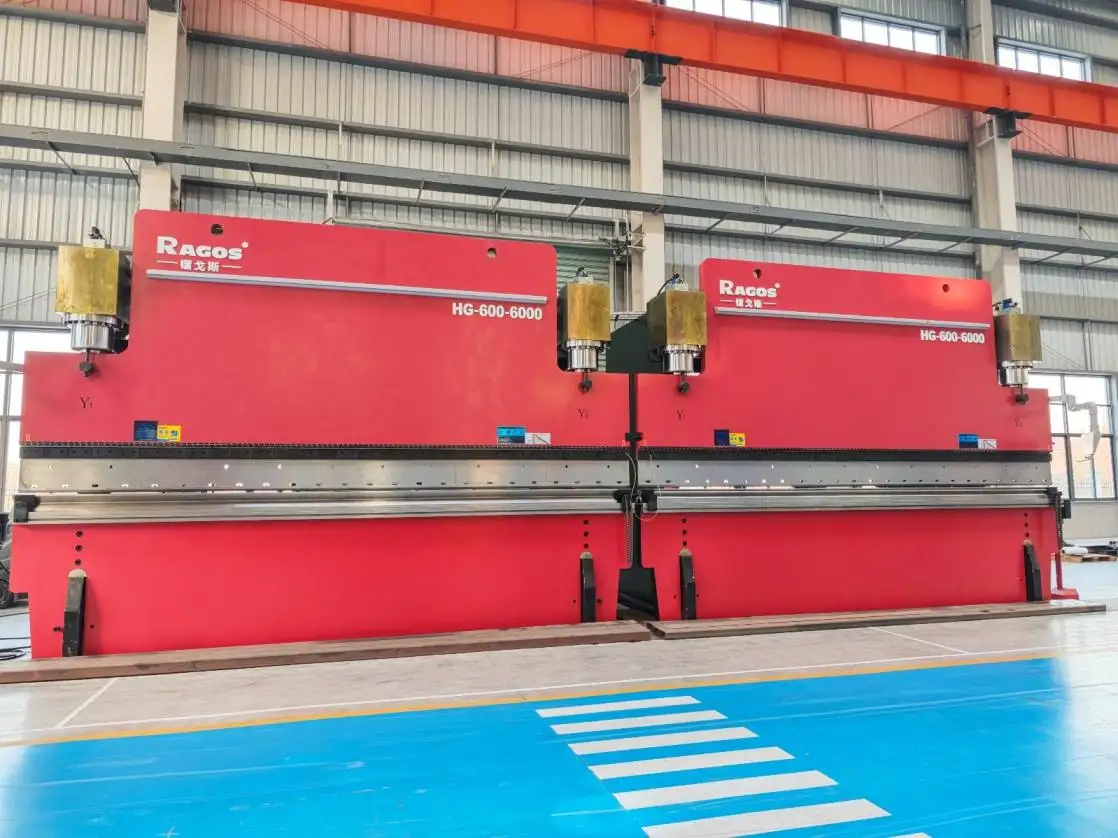
À JS RAGOS, Nous ne considérons pas cette machine simplement comme un équipement de fabrication, mais comme outil de productivité pour les entrepreneurs, Ateliers métallurgiques, et fabricants de matériaux de construction. Lorsqu’il est correctement sélectionné, Une machine à plier aide à réduire le travail manuel, Améliorer la cohérence dimensionnelle, et soutenir un éventail plus large de projets avec un meilleur contrôle de la livraison.
Pourquoi la courbure du métal joue un rôle clé dans la construction
La construction moderne repose sur de nombreux composants métalliques formés. Ces pièces doivent respecter des normes strictes de forme, force, et qualité répétable. Une machine à plier rend cela possible en appliquant une force contrôlée sur la tôle grâce à des outillages assortis.
Dans le travail de construction pratique, Les pièces en métal courbé sont largement utilisées pour:
• Panneaux de toiture et bords
• Encadrements de portes et de fenêtres
• Composants de revêtement mural
• Parties d’escaliers et structures de garde
• Supports pour le montage et le renforcement
• Sections structurelles pour poutres, Colonnes, et assemblées de soutien
Cela est important car les acheteurs de construction ne cherchent plus uniquement le traitement des métaux bruts. Ils ont besoin de composants finis plus faciles à installer sur site, plus uniforme dans sa forme, et moins susceptible de créer des problèmes d’ajustement lors de l’assemblage.
La demande de l’industrie soutient également cette tendance. Avec le marché mondial des équipements de fabrication métallique prévu par Mordor Intelligence pour atteindre 69,68 milliards USD en 2026, Les données suggèrent que la capacité de fabrication reste fortement influencée par l’expansion industrielle et la demande en infrastructures.
Principales utilisations d’une machine à plier pour l’industrie de la construction
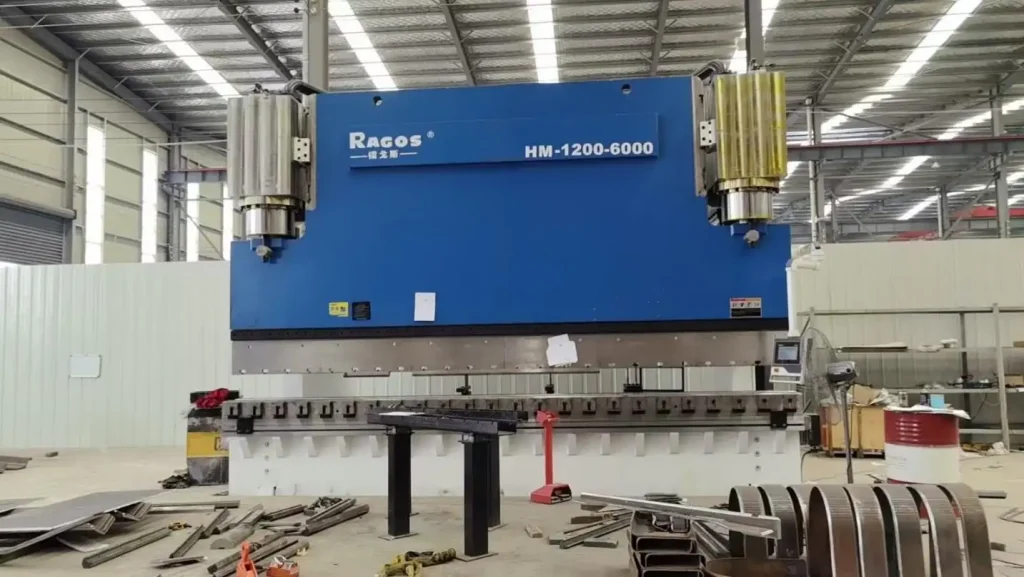
Une machine pliante pour l’industrie de la construction est précieuse car elle supporte à la fois des pièces de construction standard et des travaux personnalisés spécifiques au projet. En construction, Cette flexibilité est souvent plus importante que d’avoir une force élevée.
Par exemple, la machine peut être utilisée pour produire:
• Solins et pièces de toiture pliées pour la protection contre les intempéries
• Panneaux de revêtement avec bords propres et angles précis
• Supports de montage pour portes, Fenêtres, et systèmes de façade
• Canals de support pour le CVC, Acheminement des câbles, et installation de services publics
• Pièces métalliques décoratives architecturales pour bâtiments commerciaux
• Sections métalliques liées à l’armure utilisées dans les assemblages structurels
Ces applications aident les clients de deux manières importantes. Premier, Ils réduisent le besoin d’ajustements secondaires lors de l’installation. Deuxième, Ils permettent à un atelier de servir plusieurs catégories de projets, des bâtiments résidentiels aux installations industrielles.
Grand View Research note également que la demande pour les produits en tôle dans la construction reste forte, Surtout dans des applications telles que les conduits, Clôtures, Chemins industriels, Échelles, Structures de construction, et rampes. Cela explique directement pourquoi une capacité de flexion fiable est importante pour les fabricants axés sur la construction.
Quels bénéfices les clients tirent de la bonne machine
À JS RAGOS, Nous traduisons toujours les spécifications machines en valeur client. En théorie, les acheteurs ne bénéficient pas du tonnage ou des systèmes de contrôle. Ils bénéficient lorsque ces fonctionnalités résolvent des problèmes de production.
Voici comment la bonne machine crée des avantages pratiques:
• Consistance des parties plus élevées
La reproductibilité stable en flexion aide les clients à produire des composants qui s’ajustent plus précisément à l’étape suivante de fabrication ou d’installation.
• Réduction de la pression sur la main-d’œuvre
Une machine plus efficace réduit la dépendance à la correction manuelle répétée. Cela est particulièrement utile pour les ateliers qui doivent gérer des exigences de production continues tout en travaillant avec une main-d’œuvre réduite.
• Changements d’emplois plus rationalisés
Les machines dotées d’outils polyvalents et d’une logique de fonctionnement simple permettent aux opérateurs de passer d’une tâche à une autre avec moins de temps d’arrêt.
• Réduction de la production de ferraille
Une flexion précise améliore l’utilisation des matériaux en minimisant les déchets liés aux angles imprécis, Mauvais alignement, et travaux correctifs.
• Réponse renforcée aux ajustements de projet
Car les exigences de construction peuvent changer rapidement, Une machine de pliage fiable aide les fournisseurs à adapter plus efficacement les plans révisés et les dimensions spéciales.
Comment choisir la meilleure machine de pliage pour l’industrie de la construction
Les exigences de construction varient d’un projet à l’autre. Certaines applications nécessitent de longues longueurs de flexion, tandis que d’autres nécessitent plus de force ou une meilleure précision pour les composants métalliques exposés.
Lors de l’achat d’une machine pliante pour l’industrie de la construction, Les décideurs devraient examiner:
• Type et épaisseur du matériau
Chaque matériau se plie différemment. Acier, inox, et l’aluminium peut nécessiter différents niveaux de tonnage et disposements d’outillages.
• Longueur de la pièce
De grands panneaux pour la façade, Toit, et les profils longs nécessitent suffisamment de longueur de flexion et un soutien stable sur toute la zone de travail.
• Attentes de précision
Pour les parties architecturales visibles, La consistance de l’angle et l’état de la surface sont plus importants car l’apparence finale affecte directement la qualité du projet.
• Demande de production
Lorsque la sortie répétée est requise, Les solutions CNC et automatisées peuvent aider à minimiser la variation de configuration et à améliorer la cohérence de la production.
• Préparation à la sécurité
Des systèmes de protection efficaces et des dispositifs de sécurité sont nécessaires car les constructeurs font souvent face à des délais urgents et à une pression continue de production.
• Espace d’atelier
Empreinte machine, Espace de chargement, et la mise en garde doivent tous être vérifiés avant l’achat et l’installation.
Cette logique de sélection devient de plus en plus pertinente à mesure que la demande de fabrication continue de croître. Grand View Research prévoit que le marché mondial des machines-outils passera de 97,9 milliards USD en 2024 à 137,4 milliards USD d’ici 2030, tandis que Mordor Intelligence estime que le marché des outils de formage atteindra 50,27 milliards USD d’ici 2030. Ces chiffres suggèrent que les acheteurs investissent davantage dans la capacité, précision, et efficacité des procédés dans les industries de fabrication.
Pourquoi les acheteurs modernes de construction préfèrent des solutions plus automatisées
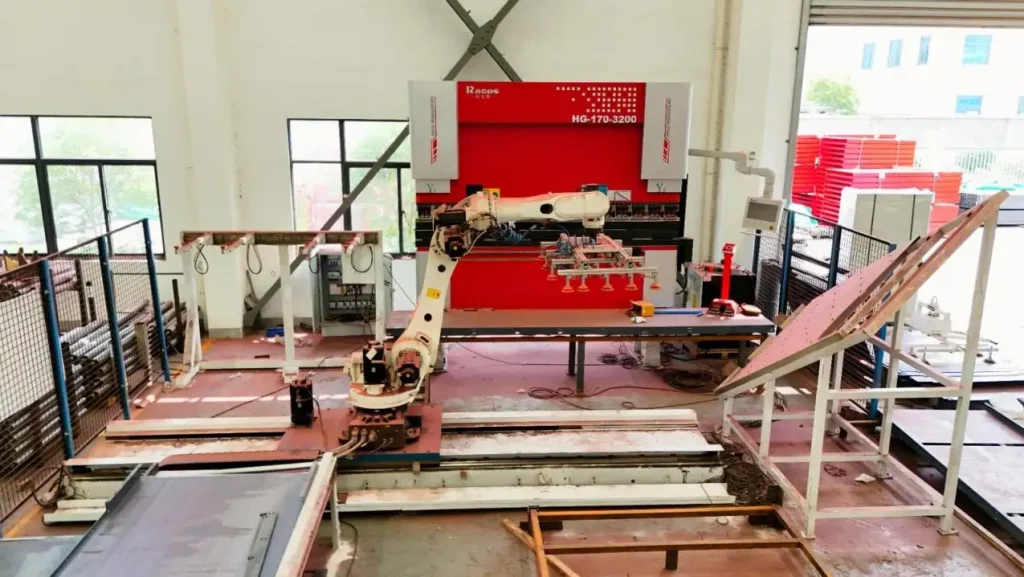
Les chaînes d’approvisionnement de la construction attendent désormais des délais plus courts et une meilleure traçabilité de qualité. C’est une des raisons pour lesquelles les solutions de flexion automatisée attirent l’attention.
Une machine de pliage moderne peut aider les ateliers:
• Standardiser la production sur des tâches répétées
• Variation dépendant de l’opérateur plus faible
• Améliorer le contrôle des processus pour les commandes personnalisées
• Soutenir l’intégration avec les opérations de coupe ou de cisaillement en amont
Ce changement est également visible dans les données des marchés régionaux. Mordor Intelligence rapporte que le marché européen des équipements de fabrication métallique devrait passer de 16,52 milliards USD en 2025 à 22,31 milliards USD d’ici 2030, En partie motivée par l’évolution vers des lignes de production automatisées et riches en données.
Pour les fournisseurs liés à la construction, Cela signifie que le marché récompense de plus en plus les magasins capables de livrer non seulement des pièces tordues, mais aussi un contrôle de processus fiable.
Ce que JS RAGOS peut offrir aux clients du secteur de la construction
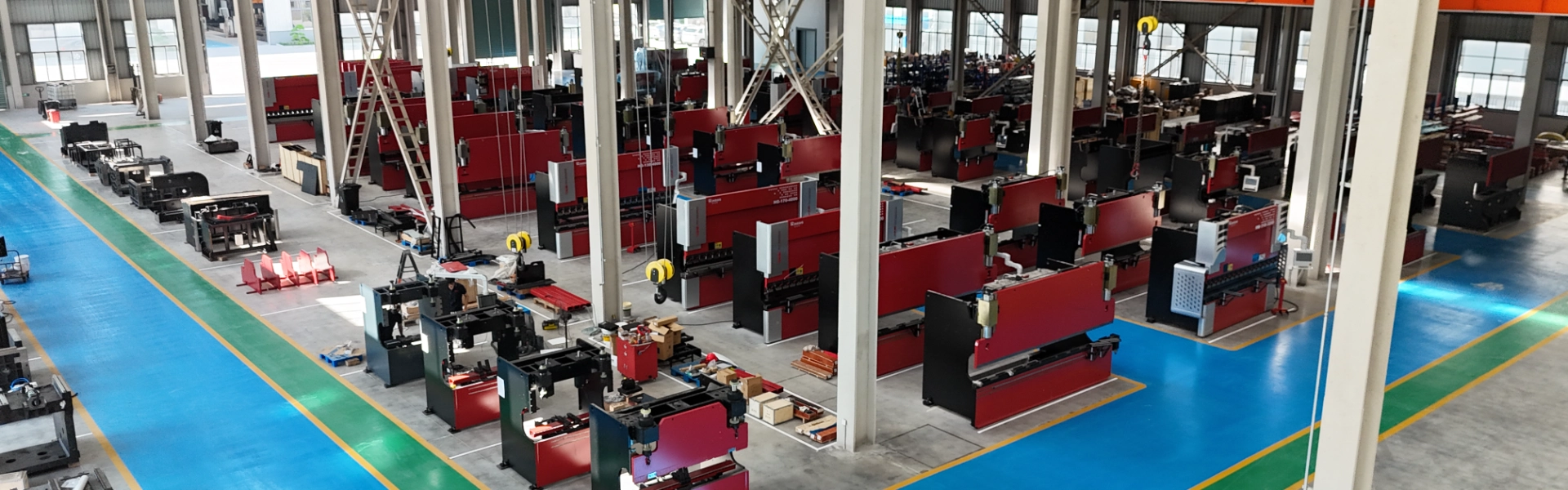
À JS RAGOS, Nous comprenons que les clients du secteur de la construction ont besoin de plus qu’une machine polyvalente. Ils ont besoin d’une solution qui corresponde aux objectifs de production réels, Gamme de matériaux, et pression de livraison.
Notre approche repose sur une valeur pratique:
• Configurations de machines adaptées à des applications réelles de construction
• Support pour différentes épaisseurs de matériau et besoins de flexion
• Solutions pour les composants standards et les travaux de fabrication sur mesure
• Des choix d’équipements qui aident les clients à améliorer la production et à réduire les remaniements évitables
Une machine pliante pour l’industrie de la construction devrait aider votre entreprise à faire plus que plier le métal. Cela devrait aider votre activité à couvrir davantage les exigences du projet, Améliorer la cohérence de la qualité, et répondre au marché depuis une position concurrentielle plus forte.
Avec la croissance de la demande tant dans les services de métal manufacturé que dans la production liée à la construction, Les ateliers qui investissent dans des solutions de flexion fiables auront un avantage plus clair pour attirer des clients réguliers et s’étendre à des projets plus larges. Mordor Intelligence estime le marché nord-américain des services métalliques fabriqués à 68,22 milliards USD en 2025, Une croissance continue est attendue.
Si vous évaluez des solutions de flexion pour une chaîne de production de construction, contactez JS RAGOS. Nous pouvons examiner vos spécifications de matériaux, Tailles des pièces, et des objectifs de production pour vous aider à choisir une configuration machine qui favorise une fabrication efficace et une livraison fiable.