

Comment choisir le bon frein à pression: Recommandations d’experts pour la flexion de précision
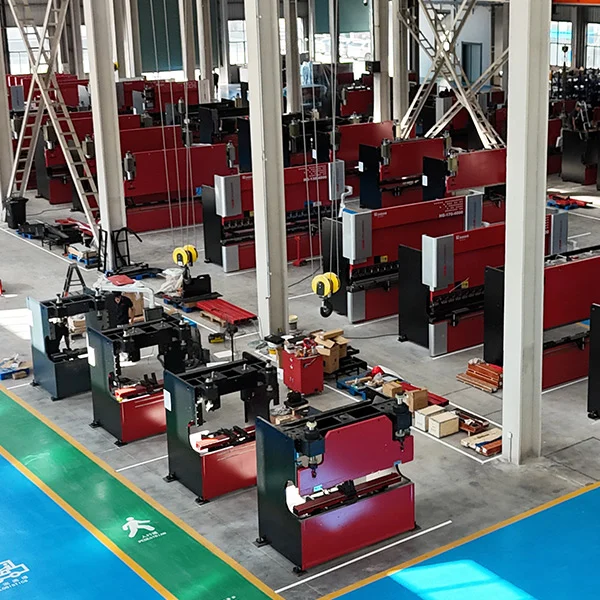
Dans le monde de la fabrication de métaux, Peu de machines sont aussi essentielles qu’un Frein à pression. De l’acier de structure à la tôle de précision, Le frein à pression est le cheval de bataille qui se plie, Formes, et façonne des composants métalliques pour d’innombrables industries. Que vous soyez dans un petit atelier de fabrication au Texas, une usine à fort volume en Allemagne, ou une installation axée sur l’automatisation en Chine, Choisir le bon frein à pression impacte profondément la précision, Productivité, et succès opérationnel à long terme.
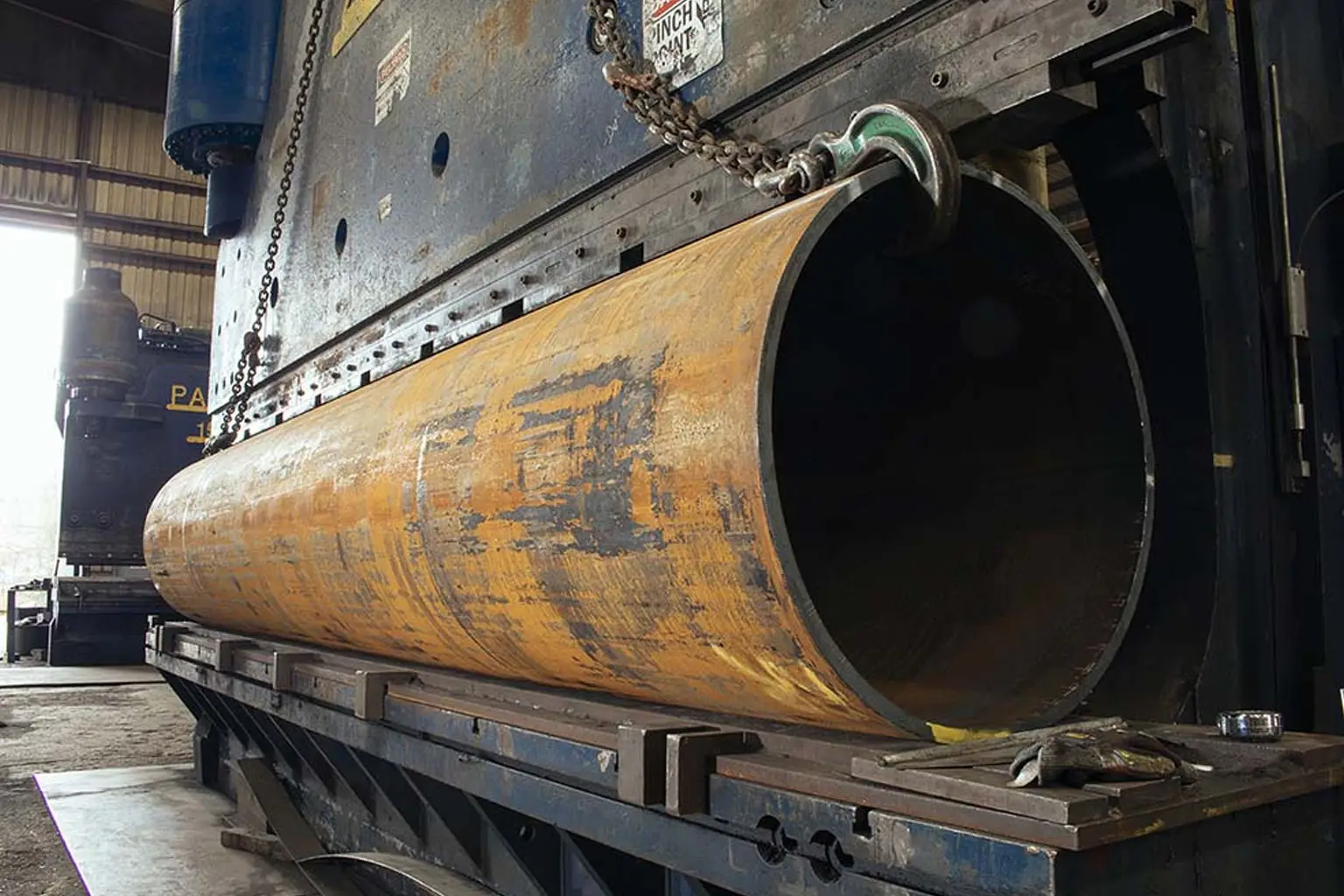
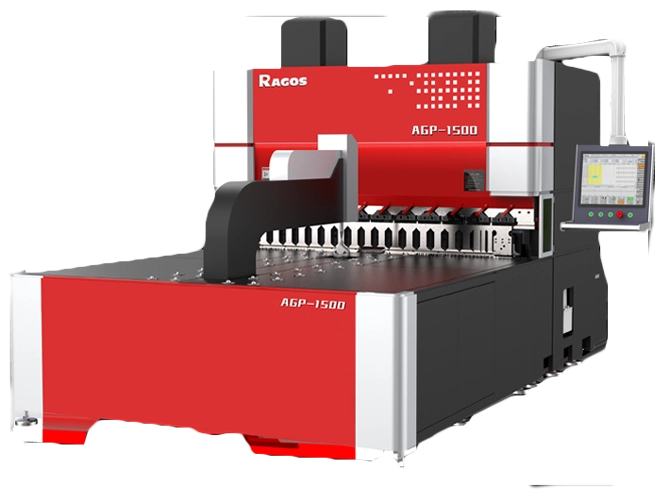
Dans ce guide, Nous allons vous expliquer ce qu’il faut prendre en compte lors du choix d’un frein à pression, Comment différents types de machines répondent à des besoins spécifiques de fabrication, et recommander des solutions équilibrant performance et investissement. À Équipement intelligent JS RAGOS, Nous sommes spécialisés dans des solutions avancées de freins à pression qui aident les fabricants à atteindre une qualité constante à chaque virage.
Pourquoi les freins à pression sont importants dans la fabrication des métaux
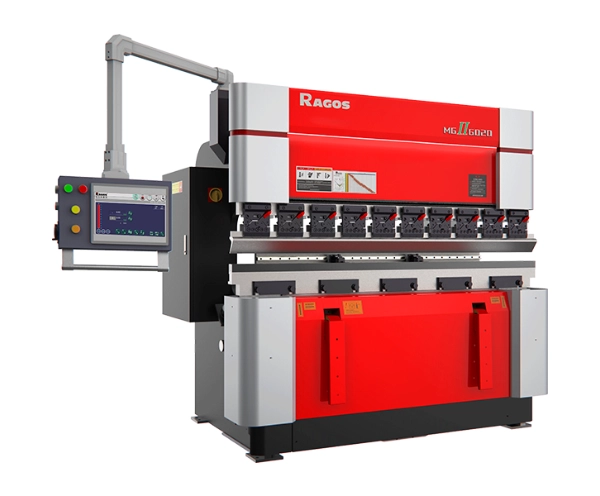
Les freins à pression sont conçus pour plier la tôle et la plaque métallique en les pressant entre un poinçon et une matrice. Cette opération fondamentale touche presque tous les flux de fabrication, y compris:
-
Panneaux automobiles et composants structurels
-
Formage de conduits et d’enceintes CVC
-
Boîtiers de machines industrielles
-
Travail architectural du métal
-
Tableaux d’électroménagers
Ce qui rend un frein à pression indispensable, ce n’est pas seulement qu’il plie le métal—mais qu’elle plie avec Précision et répétabilité. Dans les industries avec des exigences strictes de tolérance, Même de légères incohérences dans un courbe peuvent compromettre l’ajustement, Fonction, et assemblage final.
Facteurs clés dans le choix d’un frein à pression
1. Capacité de tonnage
Le tonnage fait référence à la force qu’un frein à pression peut exercer. Elle est généralement exprimée en tonnes par mètre (par exemple,, 100 tonnes par mètre).
-
Tâches légères (30–100 t/m): Adapté aux tôles fines dans des boîtiers électriques ou des pièces CVC.
-
Travail moyen (100–300 t/m): Idéal pour les ateliers de fabrication généraux et les pièces structurelles.
-
Travail lourd (300 t/m): Nécessaire pour le pliage de plaques épaisses dans l’industrie lourde ou la construction navale.
Choisir le bon tonnage évite le sous-chargement (ce qui entraîne de mauvais virages) ou surcharge (coût inutile de la machine).
2. Longueur de flexion
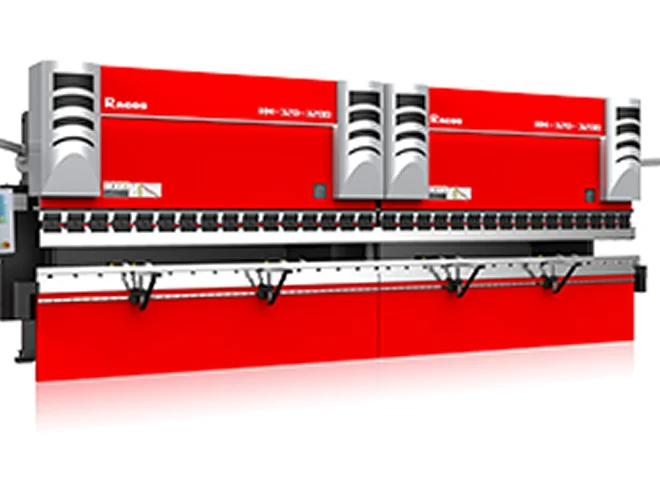
La largeur de la poutre de courbure de la machine détermine la longueur d’une seule pièce qu’elle peut plier. Les longueurs de flexion courantes vont de 2,000 mm (≈78") jusqu’à 6,000 mm (≈236").
Pour les clients dans Amérique du Nord où les grandes composantes industrielles sont fréquentes, Des longueurs de lit plus longues sont essentielles. En revanche,, Les ateliers spécialisés peuvent se concentrer sur des courbes plus courtes pour optimiser l’espace au sol.
3. Systèmes de contrôle CNC
Les freins à pression CNC modernes permettent un positionnement numérique des manomètres arrière et des séquences de courbure programmables, Introduction:
-
Précision améliorée
-
Temps de mise en place plus rapides
-
Productions reproductibles
-
Intégration avec les flux de travail CAO/FAO
Le contrôle CNC est particulièrement précieux pour les environnements de production complexes ou à forte mixation.
Types de freins à pression et quand les utiliser
🤖 1. Frein à pression hydraulique
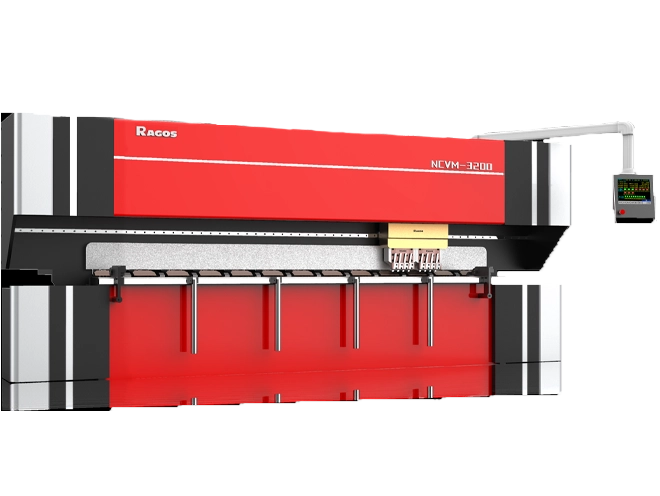
Les machines hydrauliques utilisent des vérins hydrauliques pour fournir une force de flexion. Ils sont largement utilisés en raison de leur fiabilité et de la fluidité de la délivrance de la force.
-
Le meilleur pour: Fabrication générale du métal, Pièces moyennes à lourdes
-
Pros: Efficacité, Contrôle stable de la force, Longue durée de service
-
Inconvénients: Cycles légèrement plus lents que les modèles servo-électriques
Les freins à pression hydrauliques restent la norme dans de nombreux ateliers en raison de leur équilibre entre puissance et leur rapport qualité-prix.
⚡ 2. Frein à pression servo-électrique
Les modèles servo-électriques utilisent des moteurs électriques pour entraîner les actions de flexion. Ils excellent dans la précision et l’efficacité énergétique.
-
Le meilleur pour: Courbure à faible écartement, Composants de haute précision
-
Pros: Cycles plus rapides, Consommation d’énergie plus faible, Fonctionnement plus silencieux
-
Inconvénients: Tonnage limité comparé aux unités hydrauliques lourdes
Pour les installations de fabrication dans Europe ou Japon Priorité aux solutions économes en énergie, Les freins à pression servo-électriques sont de plus en plus préférés.
🌀 3. Frein à presse hybride
Les machines hybrides combinent puissance hydraulique avec assistance servo-électrique pour équilibrer force et efficacité.
-
Le meilleur pour: Charges de travail mixtes nécessitant à la fois puissance et précision numérique
-
Pros: Haute précision, Consommation d’énergie réduite, Performance polyvalente
-
Inconvénients: Investissement initial plus élevé
Les freins à pression hybrides conviennent aux installations en transition vers l’Industrie 4.0 flux de travail sans sacrifier la capacité de charge.
Solutions recommandées pour freins à pression
Voici des configurations recommandées de freins à pression basées sur des applications de fabrication typiques:
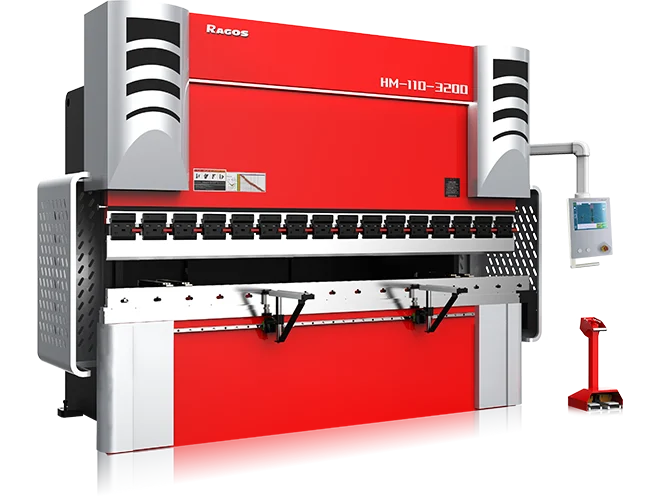
🛠️ Frein à pression CNC d’entrée de gamme (100–150 t/m)
Idéal pour les ateliers de fabrication de petite à moyenne taille:
-
Panneaux CVC
-
Armoires électriques
-
Ensembles de tôle
Pourquoi choisir cela:
Il offre un contrôle numérique pour un pliage constant tout en maintenant une accessibilité financière. Les jauges de fond CNC et les séquences de courbure préprogrammées réduisent considérablement le temps de réglage.
Mieux adapté à: Startups, Fabricants sous contrat, et ateliers de maintenance.
🏭 Frein à pression hydraulique de milieu de gamme (200–300 t/m)
Conçu pour des charges plus exigeantes et des matériaux plus épais:
-
Composantes structurelles
-
Pièces en feuille à gros écartement
-
Enceintes industrielles
Pourquoi choisir cela:
Un tonnage accru permet d’accueillir avec précision des métaux plus épais comme l’acier de 10 mm. Ces machines sont fiables pour la production à haute intensité.
Mieux adapté à: Ateliers de fabrication généraux et industriels industriels.
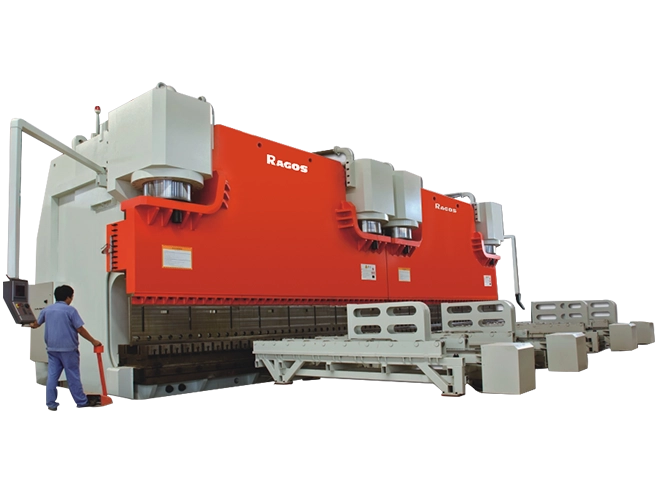
🏗️ Frein à pression à pression robuste (300 t/m)
Conçu pour une fabrication de grosses plaques et lourde:
-
Construction navale et offshore
-
Équipements de construction
-
Pièces de machines lourdes
Pourquoi choisir cela:
Un tonnage maximal garantit des courbes profondes et de la précision même dans des matériaux difficiles.
Mieux adapté à: Environnements de fabrication à haute capacité et fournisseurs OEM.
Améliorer la productivité des freins à pression
Au-delà de la machine elle-même, Outilages et accessoires tels que Pinces à changement rapide, Matrices spécialisées, et Écartements arrière avancés Améliorer à la fois la précision et le débit.
Kits de freins à pression, par exemple, Activer:
-
Installation plus rapide avec plusieurs jeux de puces
-
Profils de flexion complexes pour des composants complexes
-
Réduction du temps d’arrêt entre les tâches
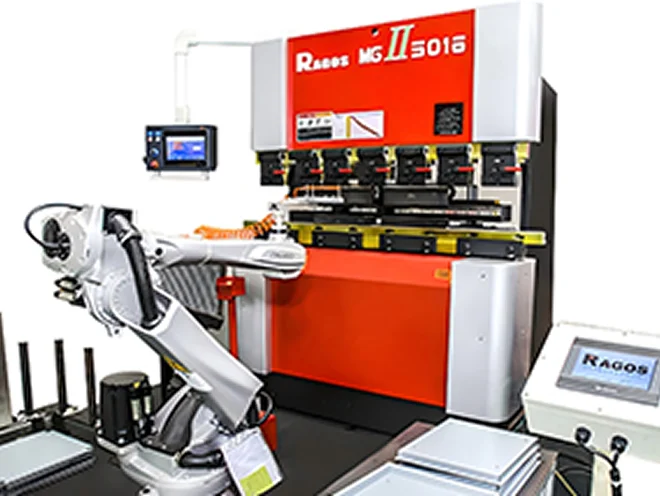
Des lignes de pliage intégrées numériquement avec des robots de presse et des systèmes de rouleau transforment également les installations de fabrication à grand volume Chine et Asie du Sud-Est.
Comment les freins à pression s’adaptent à l’Industrie 4.0
Industrie 4.0 met l’accent sur la connectivité, Automatisation, et la fabrication basée sur les données. Les freins à pression équipés de systèmes CNC intelligents s’intègrent dans des écosystèmes industriels plus larges, permettant:
-
Surveillance à distance & Diagnostic
-
Suivi des données de production
-
Configuration automatisée avec des recettes stockées
Cette technologie est particulièrement précieuse pour les fabricants desservant la production multi-sites et les chaînes d’approvisionnement internationales.
Considérations de sécurité et de formation
Investir dans la sécurité des machines est essentiel. Les freins à pression devraient inclure:
-
Rideaux lumineux ou scanners de sécurité
-
Commandes de pédale avec freins d’urgence
-
Programmes de formation et de certification des opérateurs
Les protocoles de sécurité protègent les travailleurs et réduisent les temps d’arrêt dus aux accidents—une priorité élevée dans les marchés réglementés tels que Amérique du Nord et le Union européenne.
Considérations de coût et retour sur investissement
Les freins à pression représentent un investissement important, le retour sur investissement provient de:
-
Réduction des déchets matériels
-
Cycles de production plus rapides
-
Qualité constante avec moins de retouches
-
Réduction du temps de travail grâce à l’automatisation
Pour de nombreux fabricants, Le frein à pression droit se rembourse tout seul dans les premières années de fonctionnement.
Installation, Service, et Soutien
Choisir un fournisseur de freins à pression avec un support mondial—y compris des pièces détachées, Formation technique, et service rapide—est essentiel pour minimiser les temps d’arrêt. JS RAGOS propose des services d’assistance intégrés qui servent les clients à travers l’Amérique du Nord, Europe, et l’Asie, Veiller à ce que les machines fonctionnent de manière optimale tout au long de leur cycle de vie.
Dernières réflexions
Choisir un frein à pression est une décision qui façonne le cœur de votre capacité de fabrication métallique. Que vous soyez spécialisé dans la tôle de précision, Formage structurel lourd, ou un mélange des deux, La clé est le type de machine correspondant, tonnage, et l’outillage adapté à vos besoins de production.
Des unités servo-électriques économes en énergie aux modèles hydrauliques robustes et robustes, Il existe une solution de frein à pression pour chaque défi de fabrication. Lorsqu’il est soutenu par des commandes CNC avancées et un support complet, Votre frein à pression deviendra une pierre angulaire de productivité et de qualité dans votre atelier.
À Équipement intelligent JS RAGOS, Nous sommes prêts à vous aider à choisir la bonne solution de freinage à pression et à donner à votre atelier des outils de pliage de précision conçus pour le succès mondial de la fabrication.