

Frein à pression avec contrôleur ESA: Quels opérateurs doivent ajuster en toute sécurité
Frein à pression avec fonctionnement du contrôleur ESA devient bien plus fiable lorsque les opérateurs comprennent quels réglages peuvent être réglés en toute sécurité et lesquels doivent rester protégés. À JS RAGOS, Nous pensons que les résultats de flexion stables ne viennent pas de l’essai-erreur. Ils proviennent d’ajustements contrôlés, logique claire, et une structure de contrôle mécanique qui protège la base d’usine tout en laissant aux opérateurs la marge d’ajustement des performances quotidiennes.
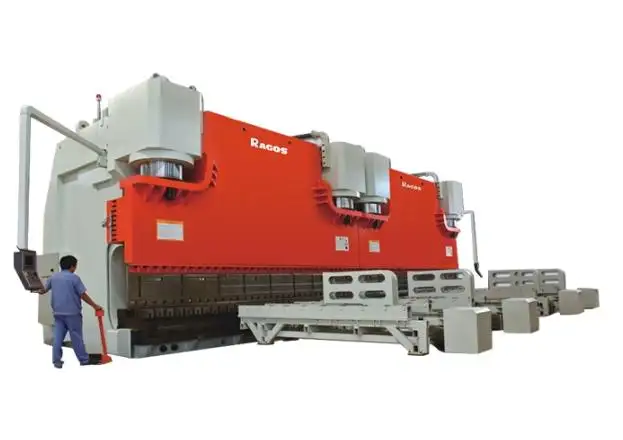
Pour de nombreux ateliers, Le masque des paramètres utilisateurs ESA S875 est l’un des exemples les plus pratiques de cette philosophie. Cela donne à l’opérateur accès à sélectionnés, paramètres modifiables sans ouvrir la zone protégée de l’usine. Cela est important car un frein à pression peut progressivement développer de petites déviations mécaniques avec le temps. Usure des guides. Le comportement de la RAM change légèrement. Les hauteurs de réinitialisation peuvent varier d’une fraction de millimètre. Quand cela arrivera, Les opérateurs ont besoin d’un chemin de correction sûr plutôt que d’un accès direct aux données de la machine centrale.
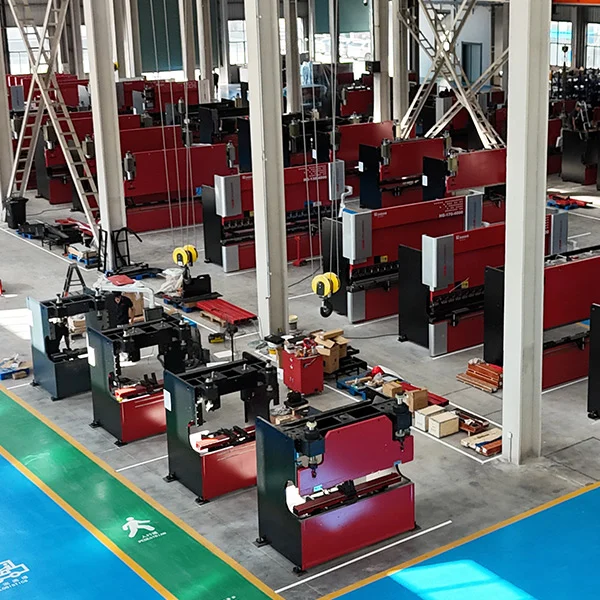
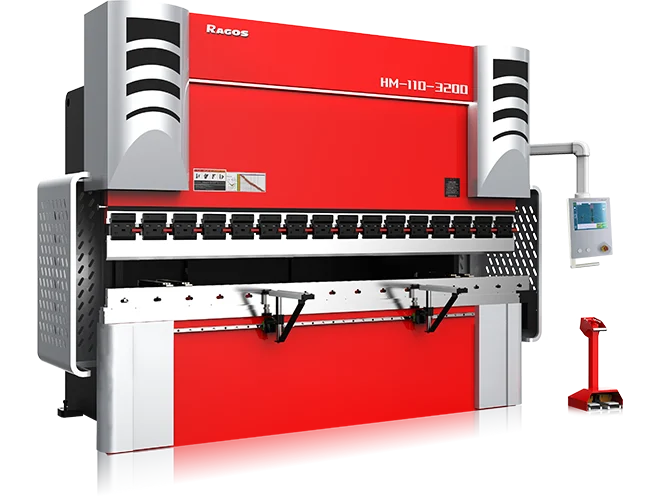
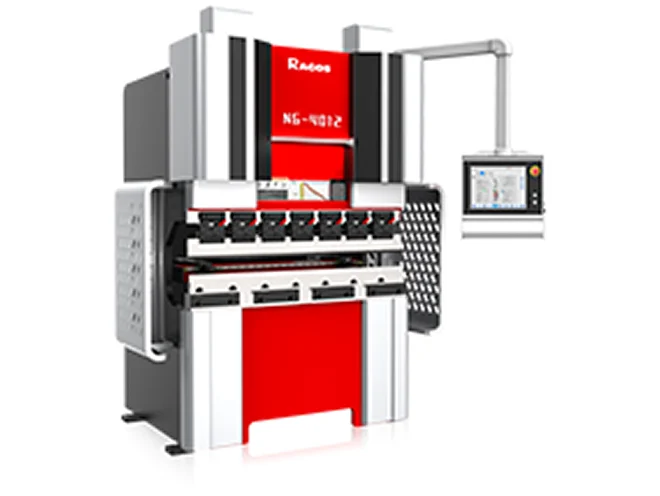
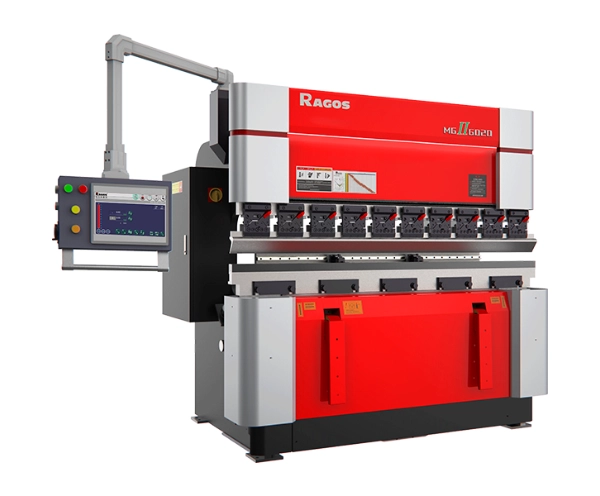
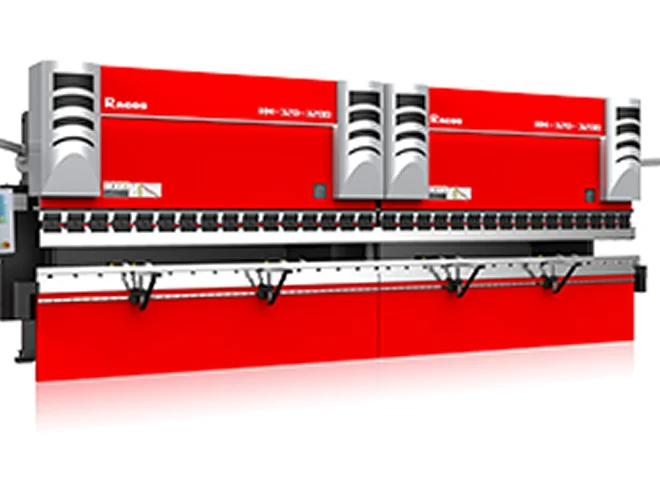
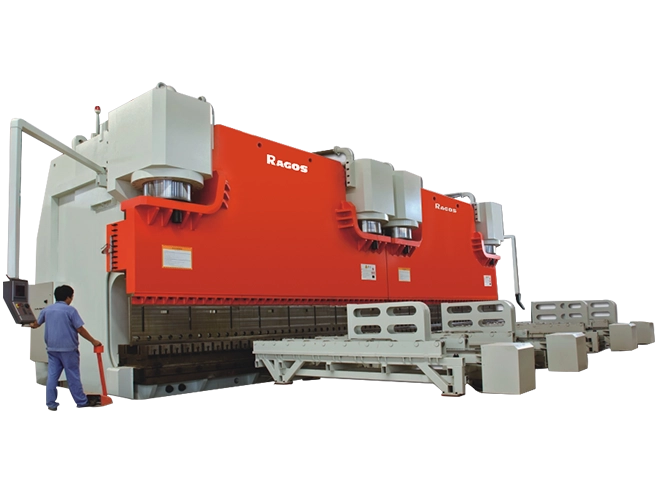
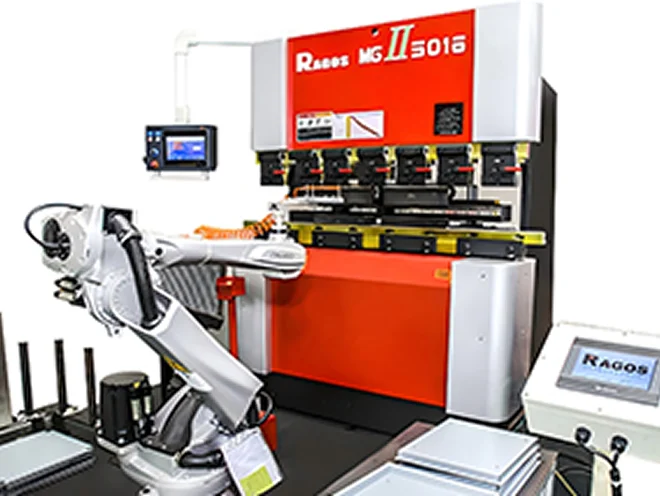
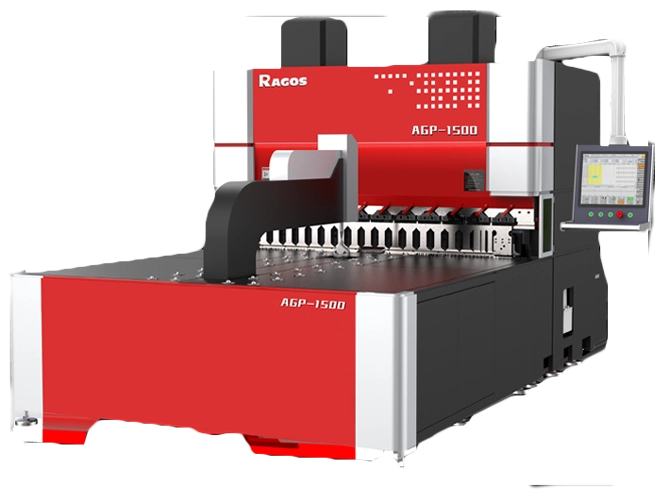
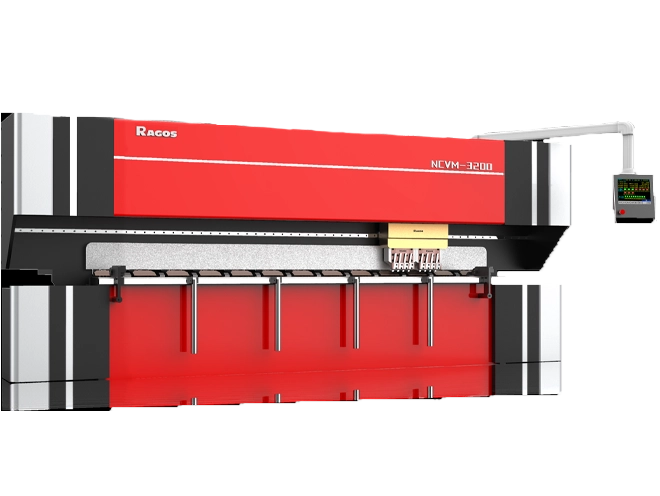
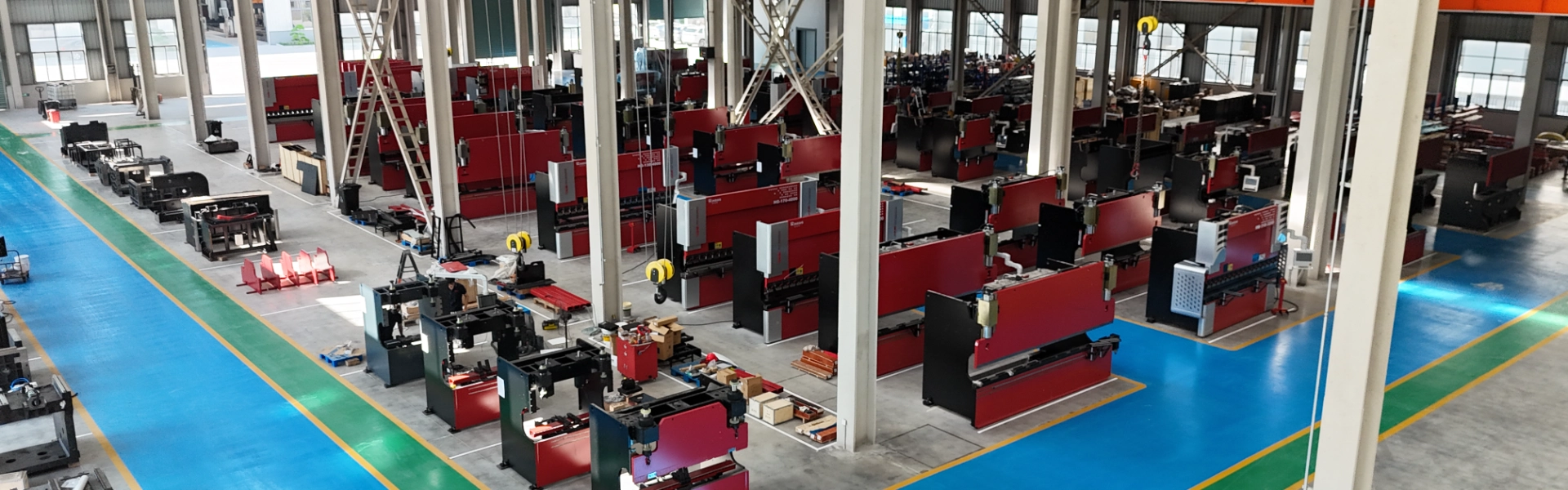
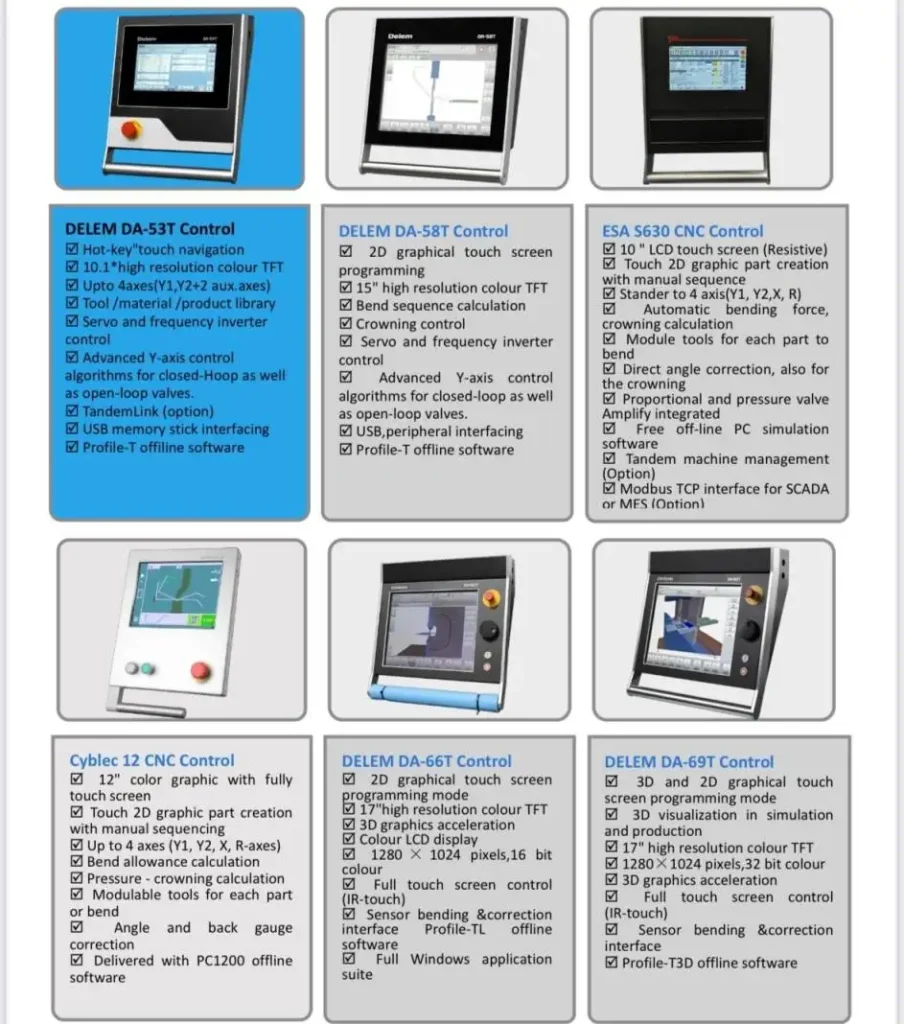
À JS RAGOS, nous intégrons des options de contrôleurs telles que l’ESA à différentes configurations de freins à pression, y compris les modèles tandem, Ainsi, les clients peuvent adapter la capacité de contrôle aux exigences de production au lieu d’imposer un seul style de contrôle à chaque application. JS RAGOS propose également des plages de freins à pression allant de 40T à 600T, ce qui est utile pour les acheteurs qui planifient autour de l’épaisseur du matériau, Taille de la pièce, et échelle de production future.
Pourquoi un réglage sûr est important sur un frein à pression avec un contrôleur ESA
Un frein à pression moderne avec contrôleur ESA n’est pas seulement une machine de formage. C’est un système de précision qui combine la stabilité du cadre, Consistance hydraulique, Mouvement de l’écartement arrière, et logique de contrôle. Si les opérateurs modifient négligemment les valeurs protégées, Le résultat peut être plus qu’un simple détour. Cela peut affecter la répétabilité, Comportement de réinitialisation, et le dépannage de la traçabilité.
La valeur du masque des paramètres utilisateurs ESA S875 est simple: Elle crée une couche contrôlée pour les corrections côté opérateur.
• Il permet d’ajuster certains paramètres sans entrer dans les paramètres d’usine protégés
• Il aide à compenser une légère usure mécanique au fil du temps
• Il protège les valeurs de référence machine d’origine
• Il permet une production quotidienne plus stable sans recalibrage inutile
Cette approche est particulièrement utile pour les usines qui souhaitent une production prévisible sur les shifts. La base d’origine reste inchangée, tandis que le contrôleur applique le décalage de correction requis. C’est une méthode plus sûre pour la gestion d’équipement à long terme.
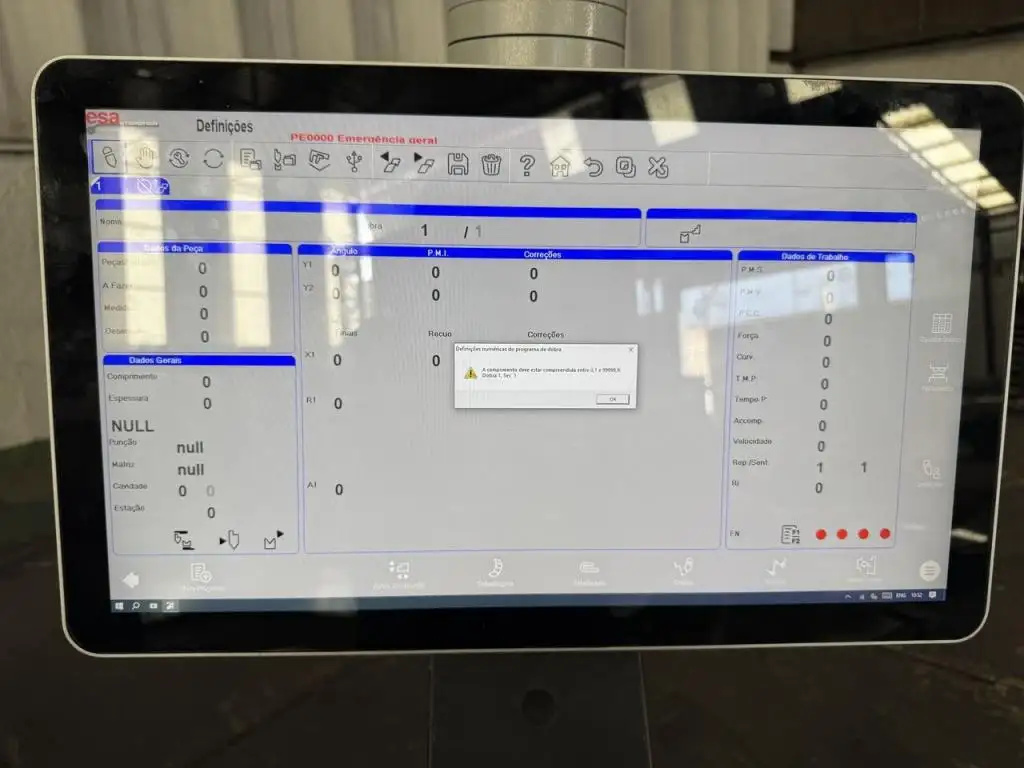
Ce pour quoi le masque des paramètres utilisateur ESA S875 est conçu
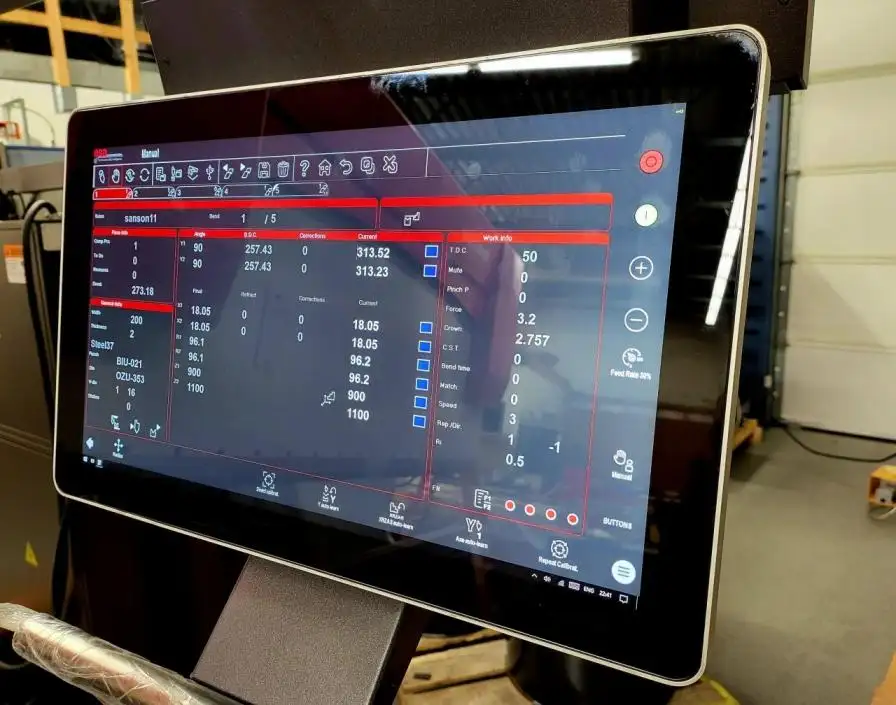
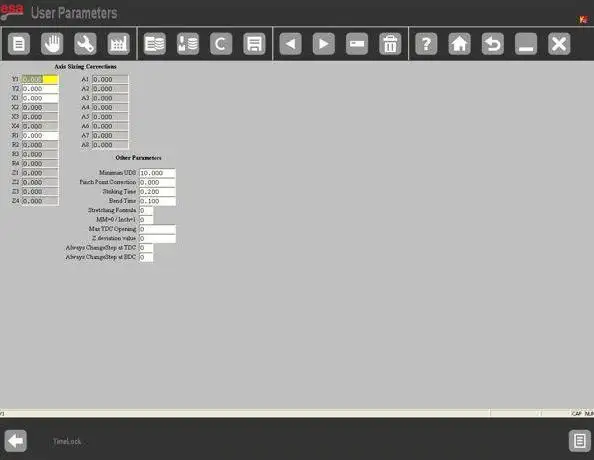
Le masque des paramètres utilisateur ESA S875 est destiné uniquement aux modifications au niveau utilisateur. En termes simples, Les opérateurs peuvent ajuster certaines valeurs sans affecter la zone protégée des paramètres de la machine, qui reste isolé des changements inattendus.
Les étapes d’accès sont faciles à suivre:
• Ouvrir le masque Paramètres
• Appuyez sur la touche Menu
• Sélectionner les paramètres utilisateur (4)
• Ouvrir la fenêtre du masque des paramètres utilisateur
Pour les entreprises formant de nouveaux employés, C’est un avantage opérationnel important. Cela raccourcit la courbe d’apprentissage tout en préservant la discipline du système.
Pour les lecteurs qui souhaitent consulter les documents officiels de l’ESA, L’ESA fournit une zone de téléchargement de produits pour les documents et ressources associées.
Comment corriger Y1 et Y2 en toute sécurité
L’un des domaines d’ajustement les plus utiles du Masque des paramètres utilisateur est la correction d’étalonnage des axes. C’est là que les opérateurs peuvent compenser de petites différences entre la hauteur de réinitialisation initiale et la valeur réellement mesurée.
La logique est importante. L’opérateur doit entrer la valeur de correction, ne pas écraser la référence d’usine.
Par exemple, Les hauteurs d’usine d’origine peuvent être:
• Y1 = 230,93 mm
• Y2 = 230.09 mm
Après une exploitation à long terme, La mesure peut montrer que l’état réel de la machine a légèrement changé:
• Besoins de Y1 -0.09 mm
• Y2 nécessite 0,10 mm
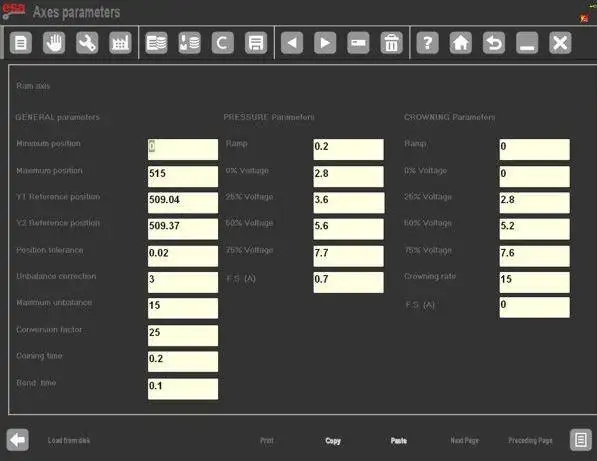
Ces valeurs sont saisies directement sous forme de décalages dans le masque des paramètres utilisateur. Après ça:
• Les données originales de l’usine restent inchangées
• Le contrôleur applique la correction sous forme de décalage
• Y1 se réinitialise à 230,84 mm
• Y2 réinitialise à 230,19 mm
C’est pourquoi cette fonctionnalité est précieuse. Il agit comme une couche de compensation. Pour l’opérateur, L’avantage pratique est évident: meilleure précision de réinitialisation sans risquer l’intégrité du fichier d’étalonnage original.
Une bonne règle avant toute correction
Avant d’entrer une quelconque valeur, L’opérateur doit d’abord confirmer que la déviation est mécanique plutôt que procédurale.
• Vérifier si le problème est causé par une erreur de mesure
• Confirmer que l’installation des outils et les données de programme sont correctes
• Mesurer la hauteur réelle de réinitialisation avec des outils fiables
• Appliquer seulement en petite quantité, Corrections calculées
Cela évite l’erreur courante d’utiliser des décalages d’étalonnage pour masquer des problèmes de programmation ou d’outillage.
Comment sauvegarder correctement l’ajustement
Une correction n’est utile que si elle est correctement sauvegardée. Après avoir saisi les nouvelles valeurs, L’opérateur doit appuyer sur la touche sauvegarde. Les données mises à jour sont ensuite stockées dans UserTara.par.
Cette étape est importante car les modifications non enregistrées peuvent disparaître après un redémarrage. En production, Cela crée de la confusion. Les opérateurs peuvent penser à la correction "Ça n’a pas fonctionné," alors qu’en réalité, il n’a jamais été écrit dans le fichier de stockage.
Cette structure de sauvegarde améliore également la responsabilité. Il sépare les ajustements modifiables par l’utilisateur des données d’usine protégées. Pour les équipes de maintenance, Cela rend le dépannage plus transparent.
Que se passe-t-il si les données d’usine sont mises à jour ultérieurement
Un système de contrôle solide doit également prévenir les conflits entre les décalages côté utilisateur et les changements de base côté fabricant. La logique ESA inclut cette protection.
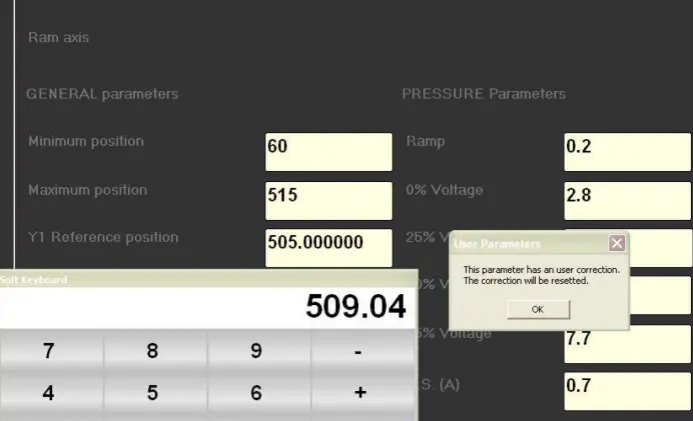
Si le fabricant du frein à pression modifie la hauteur de réinitialisation d’usine des axes:
• Le système détecte l’incohérence
• Un message d’avertissement apparaît
• La correction utilisateur associée est automatiquement réinitialisée
• L’axe revient à la référence d’usine mise à jour
C’est une garantie importante. Cela empêche un ancien décalage de rester actif par rapport à une nouvelle référence mise à jour. Du point de vue du client, Cela signifie une meilleure traçabilité et un risque moindre lors de l’entretien, Mises à jour logicielles, ou le transfert de machines entre équipes de maintenance.
Ce que les clients gagnent d’une solution JS RAGOS bien adaptée
À JS RAGOS, Nous ne considérons pas la sélection des contrôleurs comme une case à cocher dans le catalogue. Nous le considérons comme faisant partie de la stratégie de production. Un frein à pression avec contrôleur ESA est le plus précieux lorsque le châssis de la machine est, Classe de tonnage, et la logique de contrôle sont alignées avec la charge de travail réelle du client.
Cela crée des avantages pratiques pour les acheteurs:
• Formation des opérateurs plus facile grâce à un accès structuré au contrôle
• Flux de travail de correction plus sûr pour la stabilité quotidienne de la production
• Meilleure répétabilité en cas d’usure mécanique légère
• Risque réduit d’endommager les paramètres protégés de l’usine
• Plus de confiance lors de la mise en place de tâches plus simples à des tâches avancées de maîtrise
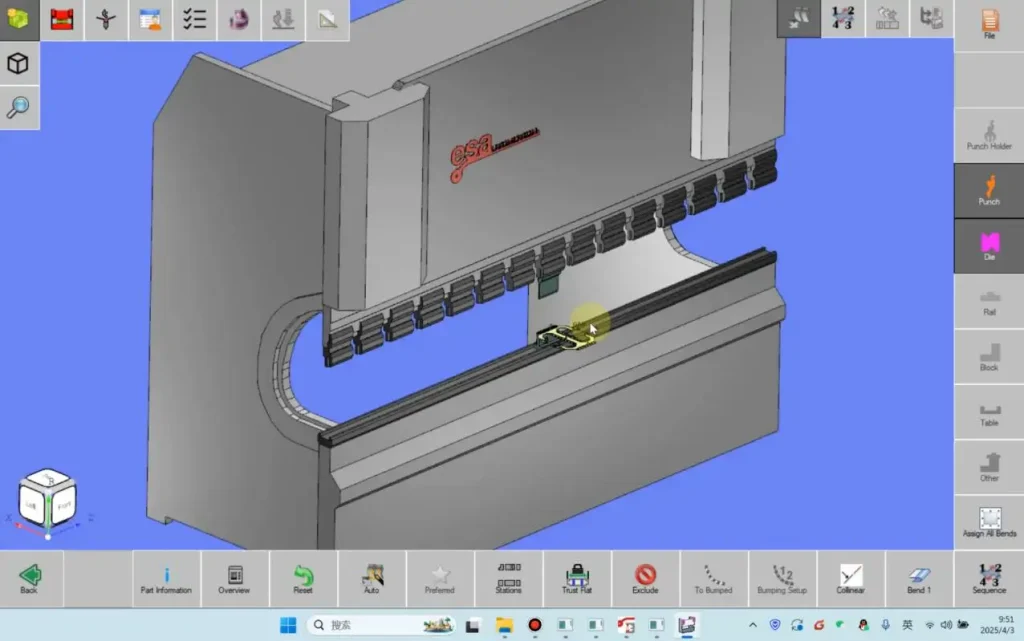
JS RAGOS propose des options de contrôleurs, y compris ESA, sur plusieurs types de machines, et sa conduite de frein à pression tandem prend en charge les applications nécessitant une manipulation de pièces très longue ou une utilisation flexible en deux machines. Pour des ateliers d’évaluation des fournisseurs, Ce type de flexibilité de configuration est souvent plus utile que de choisir une machine uniquement sur la base des spécifications principales.
Si votre équipe évalue un frein à pression avec contrôleur ESA et souhaite une machine qui équilibre la sécurité des commandes, Précision de courbure, et la disponibilité opérationnelle à long terme, JS RAGOS peut vous aider à évaluer le bon tonnage, Configuration des contrôleurs, et soutenir le plan pour vos objectifs de production. Vous pouvez consulter les ressources sur les freins à pression JS RAGOS ou contacter directement l’équipe technique pour obtenir des conseils sur le choix du modèle et l’application.