

Comment le robot soudeur pour le soudage de châssis automobiles prend en charge la sortie OEM
La fabrication automobile moderne repose sur un robot de soudage pour le soudage de châssis automobiles afin de le supporter Production OEM avec des résultats de soudure stables, Dimensions de pièces cohérentes, et une continuité de production fiable entre les lots. À JS RAGOS, Nous savons que souder des composants automobiles structurels ne se limite pas à fusionner le métal ensemble. Il est étroitement lié au contrôle dimensionnel, Fiabilité portante, et un flux de production fluide.
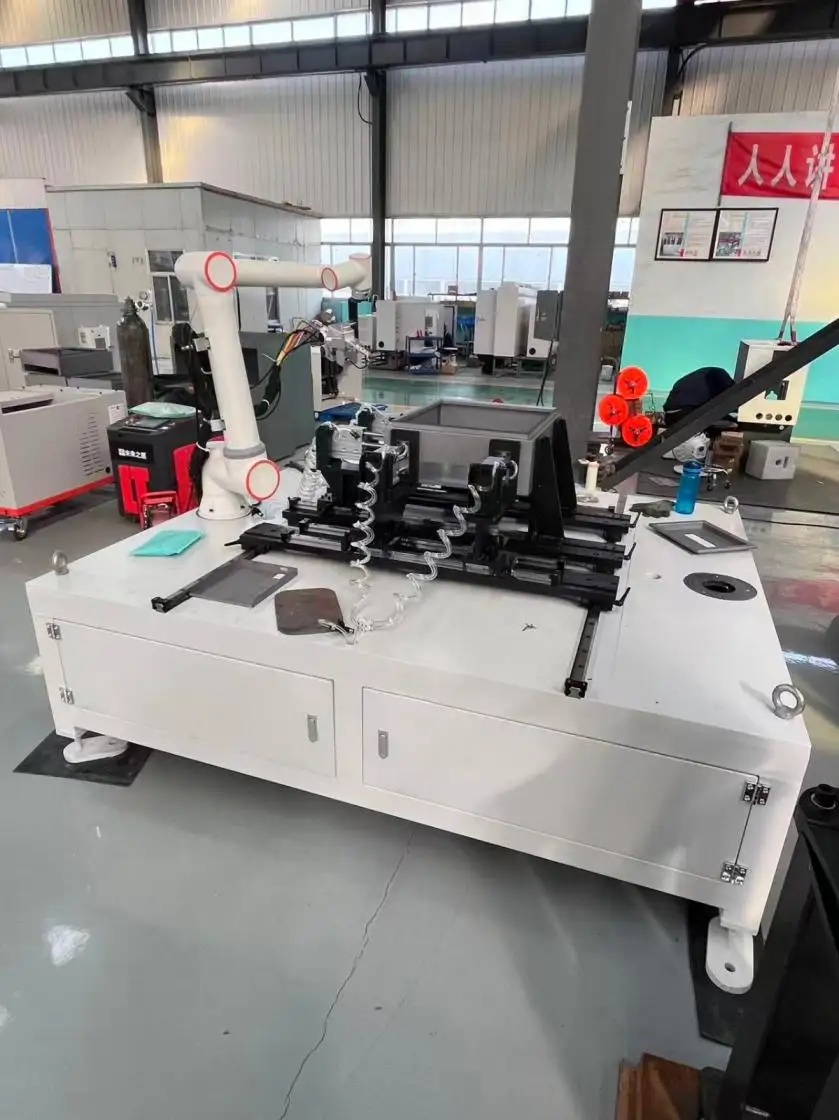
Pour les OEM et les fournisseurs de niveau 1, Cette exigence est encore plus cruciale pour les parties sous la carrosserie, Supports de cadre, Sous-châssis, et des structures de remorquage. Ces composants doivent résister aux vibrations, Conditions routières, et des contraintes répétées lors d’une utilisation prolongée. Un procédé de soudage qui change trop d’un shift à l’autre peut entraîner des variations coûteuses. C’est pourquoi de nombreux constructeurs automobiles continuent d’investir dans des systèmes de soudure robotisée dans le cadre de leur stratégie de production à long terme. La Fédération internationale de robotique rapporte que 126,088 robots industriels ont été installés dans l’industrie automobile en 2024, et les installations annuelles dans le secteur ont augmenté à un taux moyen de 5 % entre 2019 et 2024.
Pourquoi la production des fabricants automobiles dépend de la soudure répétable
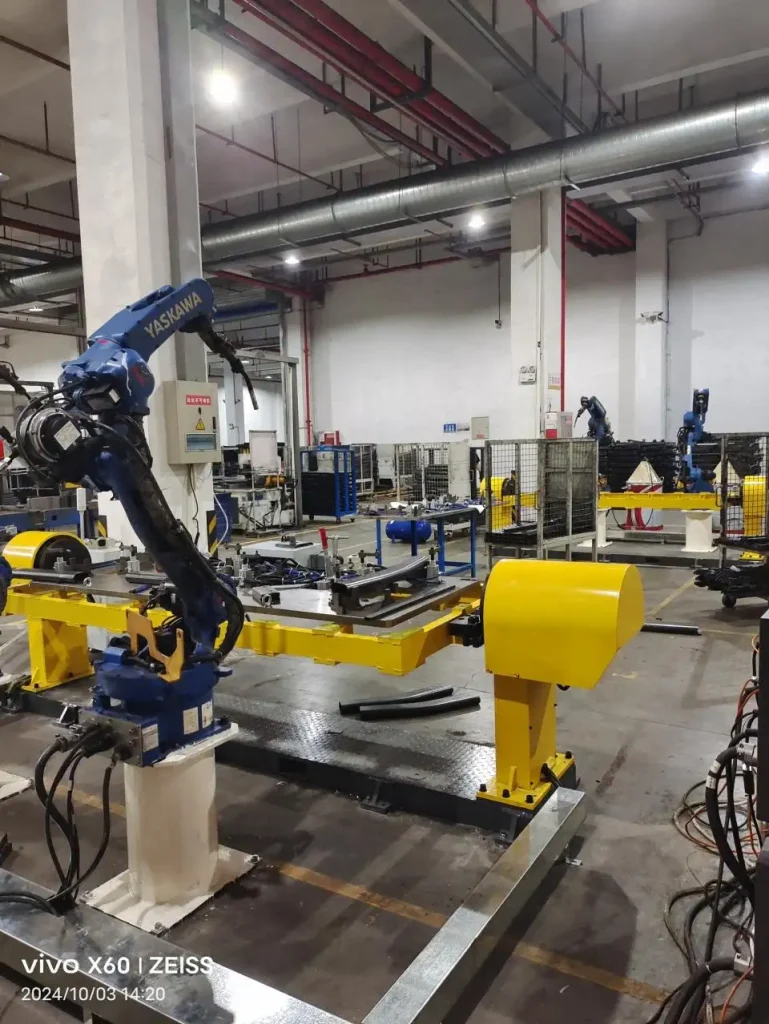
La production automobile nécessite plus que la vitesse de soudure. Elle nécessite un processus contrôlé qui donne le même résultat de la première à la dernière partie. Dans le soudage de châssis, Même un léger déplacement dans le placement de la soudure, Alignement conjoint, ou la stabilité des dispositifs peut affecter l’assemblage en aval.
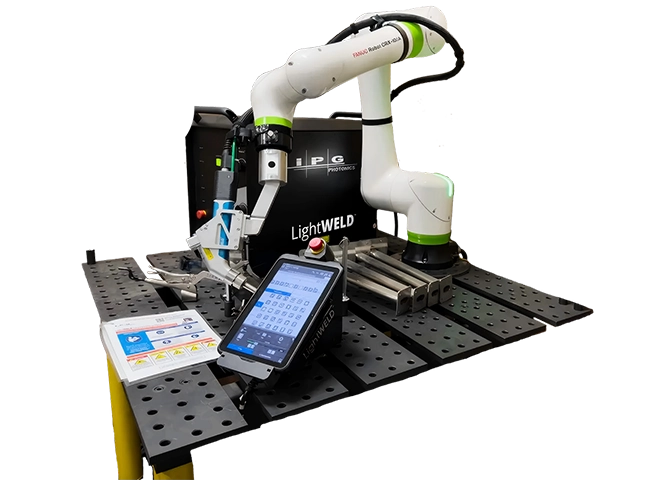
À JS RAGOS, nous positionnons Welding Robot for Automotive Frame Welding comme une solution de production plutôt qu’une seule fonctionnalité de machine. Une cellule de soudage robotisée correctement configurée offre aux clients OEM plusieurs avantages utiles lors de la production quotidienne:
• Placement de soudure plus répétable d’un lot à l’autre
• Meilleure gestion de la géométrie des pièces dans les assemblages structurels
• Différences moindres entre les opérateurs et entre les équipes
• Planification plus facile pour les besoins de production continue
• Une plus grande confiance dans la fiabilité de la livraison
En termes pratiques, Cela aide les acheteurs à réduire le temps passé sur des problèmes d’incohérence et à accorder plus d’importance à l’efficacité de la production, Normes de qualité, et progression du programme.
Comment un robot soudeur pour le soudage de châssis automobiles s’adapte aux composants structurels
Le soudage de châssis automobile implique souvent des composants qui doivent supporter la charge et maintenir l’alignement pendant la durée de vie. Ces parties ne sont pas décoratives. Ils sont structurels, et ils doivent fonctionner dans des conditions réelles.
Les composants soudés souvent présents dans cette catégorie incluent:
• Rails de châssis
• Traverses
• Sous-châssis avant et arrière
• Berceaux moteurs
• Supports de carrosserie
• Supports de montage de suspension
• Crochets de remorquage et assemblages liés aux attelages
Produire ces pièces efficacement, Les fabricants ont besoin d’étapes de positionnement répétable et de soudure contrôlée. À JS RAGOS, Nos systèmes sont conçus pour supporter ce type de logique de production. Nous nous concentrons sur la coordination des matchs, Chemins de soudage programmés, et la stabilité de la production pour que les clients puissent traiter de grandes quantités sans perdre de cohérence dimensionnelle.
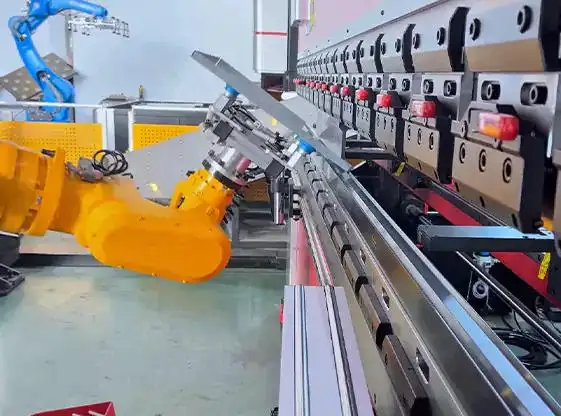
C’est l’une des raisons pour lesquelles la soudure robotisée continue de gagner en valeur dans la fabrication automobile. Il prend en charge des flux de travail structurés où la position de soudure, Parcours de voyage, et la séquence restent contrôlées sur de longs cycles de production. Cette cohérence est un avantage majeur pour les programmes OEM qui ne peuvent pas se permettre une variation évitable.
Procédés MIG et TIG dans les applications de soudage automobile
Toutes les pièces automobiles ne doivent pas être soudées de la même manière. Épaisseur du matériau, Géométrie des joints, et les exigences d’apparence de soudure jouent toutes un rôle dans la sélection du procédé. Un système de production fiable doit choisir la méthode de soudure selon les exigences de l’application.
Soudage MIG pour pièces structurelles plus lourdes
Le soudage MIG robotisé est souvent préféré pour les composants en acier plus épais et les assemblages automobiles structurels où la résistance est, Performance de pénétration, et l’efficacité de la production sont critiques. Les références techniques officielles de Lincoln Electric et Miller montrent que la soudure MIG, également appelé GMAW, est une méthode de soudure de production largement utilisée. Miller note en outre que ce type d’équipement peut souder de l’acier et de l’aluminium jusqu’à 3/8 de pouce dans des conditions d’utilisation appropriées.
Pour les clients OEM, Cela signifie plusieurs avantages pratiques:
• Un bon choix pour les assemblages en acier de structure
• Meilleur support pour une production répétée efficace
• Des profils de soudure plus cohérents sur des volumes de sortie plus importants
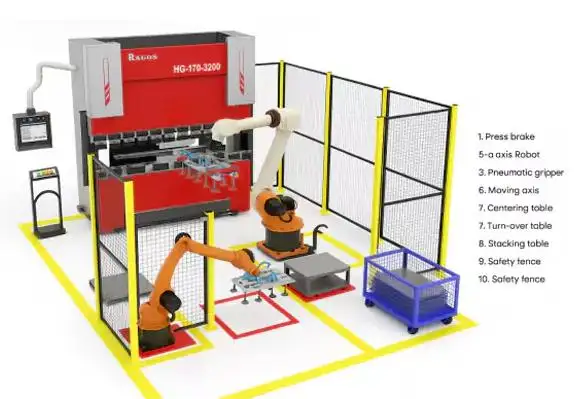
Soudage TIG pour une entrée de chaleur précise et contrôlée
Le soudage robotisé TIG est fréquemment appliqué lors d’un ajustement plus serré, Amélioration de la propreté des soudures, ou un meilleur contrôle de l’entrée de chaleur est nécessaire. Lincoln Electric identifie la soudure TIG comme un procédé de précision utilisé dans les applications automobiles, et sa gamme de produits Precision TIG met en avant un fonctionnement stable à faible ampérage pour des conditions de soudage plus contrôlées.
Pour les clients, Cela se traduit par des bénéfices de production utiles:
• Meilleur contrôle pour des assemblages plus petits ou plus précis
• Qualité de soudure plus propre dans les zones de connexion raffinées
• Une stabilité dimensionnelle améliorée lorsque la chaleur excessive doit être limitée
À JS RAGOS, nous aidons les clients à évaluer si le MIG, TIG, ou une cellule robotique combinée est la mieux adaptée aux besoins de leur châssis et sous-ensemble.
Pourquoi la préparation intégrée améliore le flux de production OEM
Un système de soudure robotisée fonctionne mieux lorsque la préparation en amont est également contrôlée. Tirs à blanc précis, Installation stable, et la fixation reproductible contribuent tous à de meilleurs résultats de soudure. Lorsque la préparation des pièces est incohérente, Même un robot avancé ne peut pas protéger entièrement le processus contre la variation.
C’est pourquoi les acheteurs OEM ne devraient pas évaluer le robot de soudure pour châssis automobile uniquement par marque de robot, Portée, ou spécification d’arc. La valeur totale vient de l’intégration des processus. À JS RAGOS, Nous conseillons aux clients de consulter:
• Précision des blanks avant soudage
• Rigidité et répétabilité des dispositifs
• Accessibilité conjointe pour la torche robotique
• Écoulement partiel entre la préparation et la soudure
• Points de contrôle qualité après chaque étape de soudage
Quand ces éléments fonctionnent ensemble, Les clients obtiennent un rythme de production plus stable. Cela améliore la prévisibilité de la sortie et réduit les remaniements évitables. En termes réels de fabrication, Cela peut être plus précieux que de courir après la vitesse seul.
Ce que les acheteurs OEM doivent rechercher dans une solution de robot de soudure
Lors du choix d’un fournisseur, Les clients automobiles devraient se concentrer sur la praticité de la production. Une solution solide ne doit pas seulement compléter une soudure. Cela doit soutenir l’objectif de fabrication complet du client.
À JS RAGOS, Nous recommandons aux acheteurs d’évaluer les points suivants avant d’aller de l’avant:
•Application Match: Le système est-il conçu pour les rails de châssis, Sous-châssis, Crossings, ou ensembles remorqueurs?
• Sélection des processus: Le projet nécessite-t-il du MIG, TIG, ou les deux?
• Compatibilité des luminaires: Le système peut-il maintenir une géométrie reproductible sur de longues distances?
• Évolutivité: La chaîne de production est-elle prête à soutenir à la fois la demande immédiate et le développement futur des programmes?
• Fiabilité du service: Le fournisseur peut-il répondre efficacement aux besoins d’installation, Ajustements opérationnels, et soutien à la production continue?
Ces questions aident les clients à passer de l’achat d’équipements à la planification des processus. Ce changement est important car la production OEM dépend de la stabilité à long terme, Pas seulement la performance initiale de la machine.
JS RAGOS soutient la production automobile grâce à un soudage robotisé pratique
À JS RAGOS, nous considérons le robot soudeur pour le soudage de châssis automobiles comme un outil stratégique pour la fabrication OEM. Il supporte la production reproductible, Qualité de soudure stable, et un assemblage structurel fiable pour des applications automobiles exigeantes. Si le projet implique des composants sous la carrosserie, Structures de cadres, ou des assemblages liés aux remorquages, L’objectif reste le même: Livrer des pièces soudées durables avec un procédé fiable que les clients peuvent faire confiance.
Si votre équipe examine des solutions de soudure robotisée pour la production de cadres automobiles, C’est le bon moment pour comparer les besoins des processus, Types de composants, et objectifs d’efficacité de la ligne. Contactez JS RAGOS pour discuter d’une solution de robot de soudure conçue pour vos objectifs de sortie OEM. Nous pouvons vous aider à évaluer la bonne configuration pour un contrôle de la production plus solide, Meilleure performance de soudage, et une livraison plus fiable.
Pour approfondir les recherches sur le secteur, Les équipes OEM peuvent également trouver des informations utiles dans les mises à jour du marché de la Fédération internationale de robotique et les ressources officielles sur les procédés de soudure auprès de Lincoln Electric et Miller Welds