

Frein à pression CNC à angle variable: Quand il bat le Bending Standard
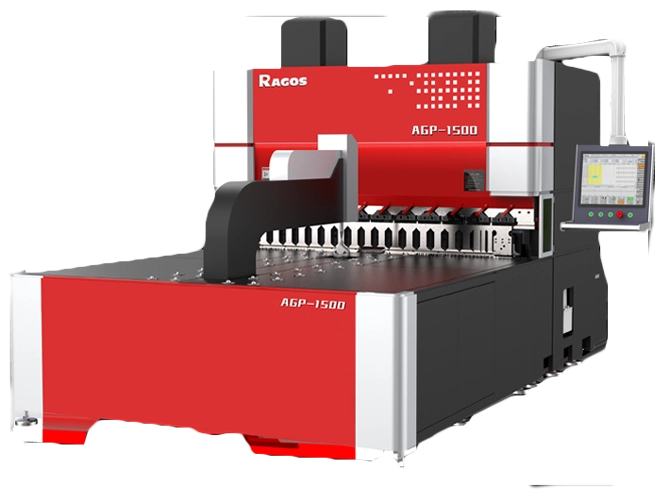
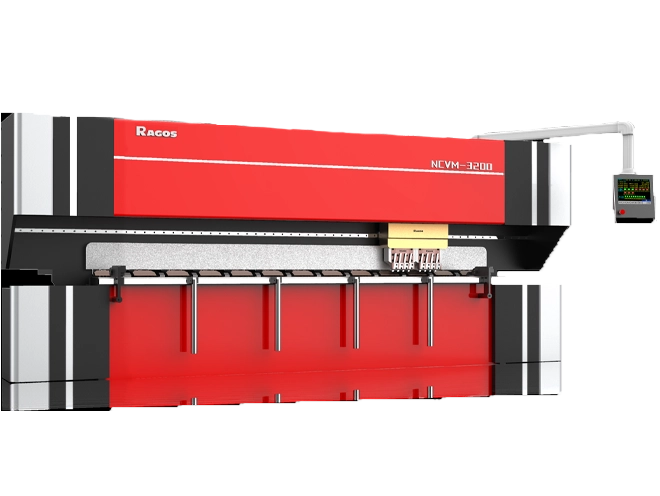
Choisir le bon équipement de formage des métaux fait la différence entre une chaîne de production à haute efficacité et un goulot d’étranglement dans votre atelier. En tant que fabricant professionnel spécialisé dans la mécanique de précision, JS Ragos a observé un virage significatif vers Freins à pression CNC à angle variable comme norme industrielle pour les complexes, Fabrication à haute tolérance.
Le "Triple Menace" Avantage: Précision, Vitesse, et Flexibilité
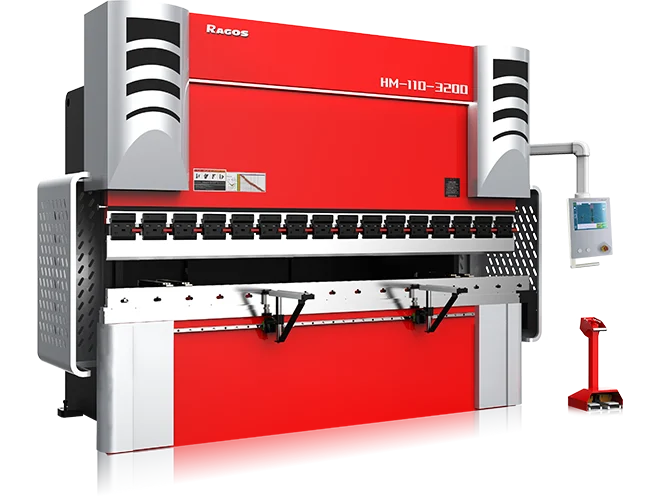
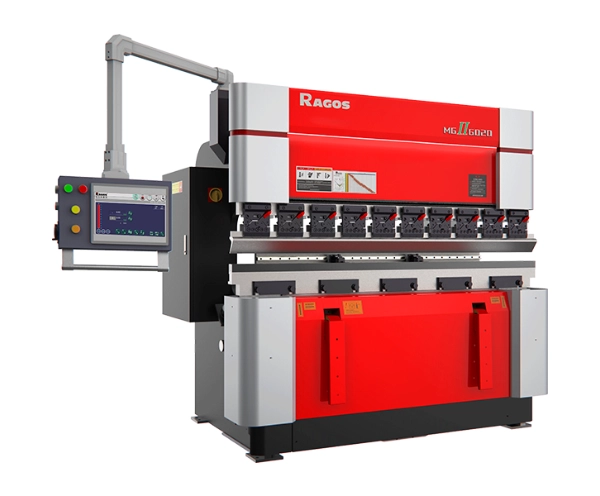
A Frein à pression CNC à angle variable offre un avantage concurrentiel en combinant des mouvements multi-axes avec des systèmes de rétroaction en temps réel pour gérer des géométries non standard. Cette configuration surpasse les méthodes traditionnelles en réduisant Temps de mise en place Jusqu’à 70 %, Élimination des essais manuels, et s’assurer que chaque courbe — quelle que soit la complexité de l’angle — reste cohérente sur les productions à grand volume.
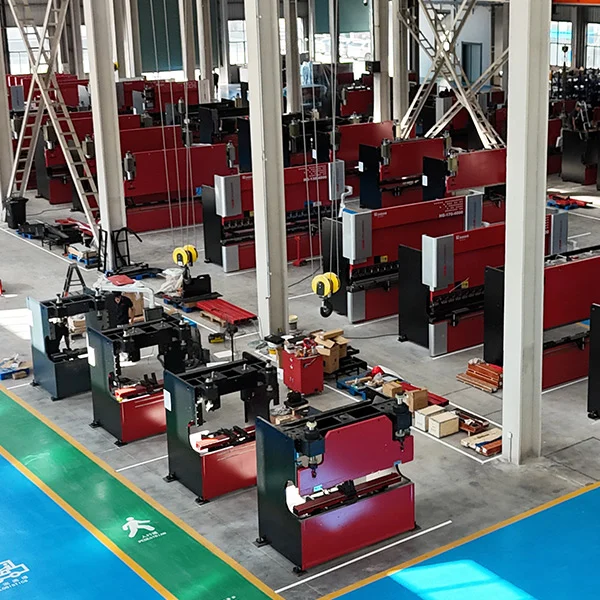
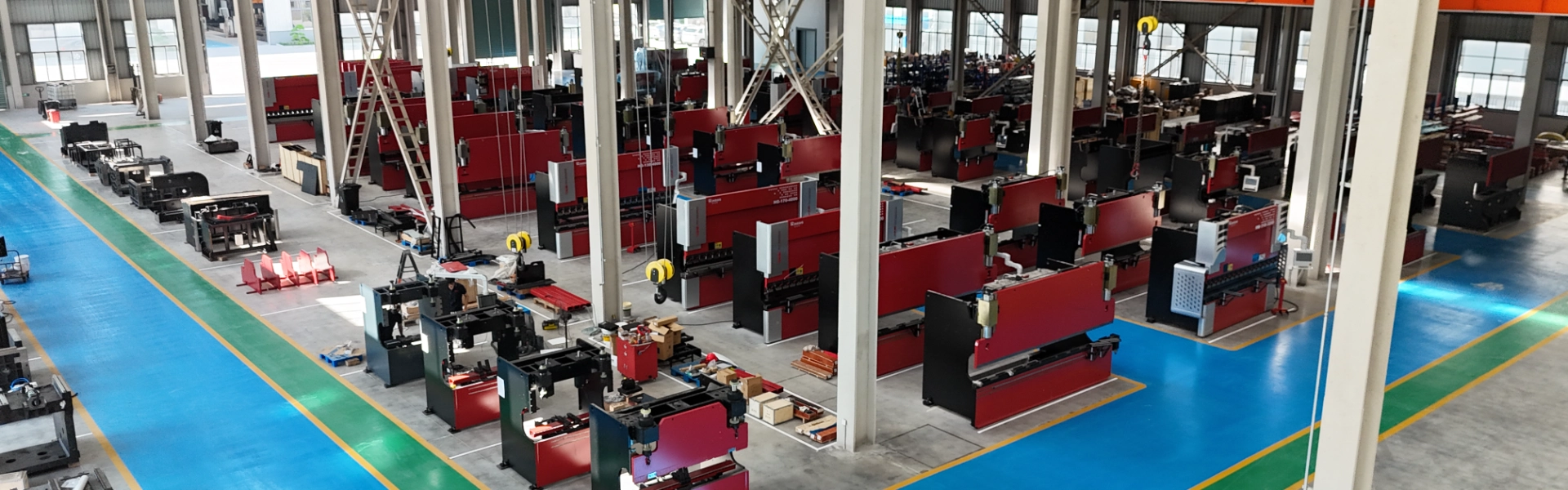
Dans notre usine de fabrication, nous avons vu comment passer d’un frein NC basique à 2 axes à un système multi-axes transforme la sortie. Par exemple, Lorsque nous produisons des composants pour des armoires électriques complexes, La possibilité de programmer des angles variés dans une seule séquence empêche l’opérateur de devoir réinitialiser la machine à chaque courbe individuelle.
Notre expérience avec Courbure de tôle de précision démontre que la flexibilité n’est pas qu’un simple luxe; C’est une exigence pour les normes modernes "High-Mix, Faible volume" (HMLV) Environnements de production. En utilisant des avancées Systèmes de contrôle Delem ou ESA, nous permettons aux opérateurs de simuler le processus de flexion en 3D avant même que le bélier ne touche le matériau.
- Ferraille réduite: Les calculs en temps réel prennent en compte le grain et l’épaisseur du matériau.
- Polyvalence: Alterner entre l’acier inoxydable, aluminium, et acier au carbone sans recalibrage manuel.
- Efficacité: Les systèmes intégrés de jauge arrière comme les configurations 4 ou 6 axes permettent un positionnement complexe des pièces.
Comparaison technique: Standard vs. Systèmes à angle variable
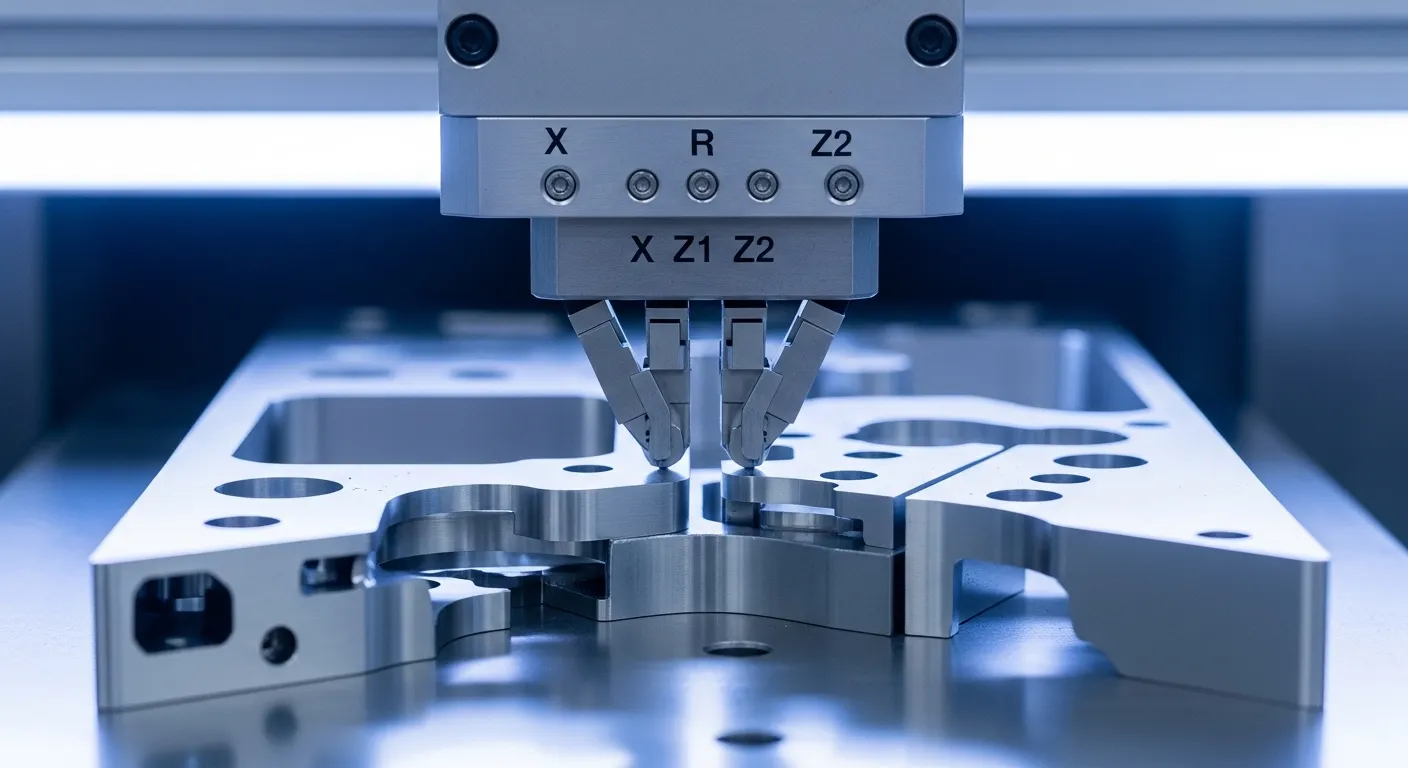
La principale différence entre standard et Systèmes à angle variable réside dans le degré d’automatisation et le nombre d’axes contrôlés. Alors qu’une machine standard gère correctement les courbes à 90 degrés, a Frein à pression CNC à angle variable utilise des cylindres synchronisés Y1/Y2 et des axes avancés R et Z pour gérer des pièces complexes nécessitant plusieurs angles non standard en un même cycle.
Nous nous concentrons sur la construction de machines qui font le lien entre la simple flexion et l’automatisation haut de gamme. Voici une comparaison basée sur les spécifications que nous proposons à JS Ragos.
| Fonctionnalité | Standard (NC/CNC de base) | Variable Angle (JS Ragos Hybrid) |
| Contrôle des axes | Typiquement Y1, Y2, X | Y1, Y2, X, R, Z1, Z2 V (Couronnement) |
| Consistance des angles | Réglage manuel par lot | Correction en temps réel basée sur des capteurs |
| Temps d’installation | 15 à 30 minutes | Moins de 3 minutes via une programmation hors ligne |
| Efficacité énergétique | Fonctionnement constant de la pompe | Hybride servo-actionné (Économies de 30 à 50 %) |
La physique de la courbure parfaite: Pourquoi l’importance du multi-axe
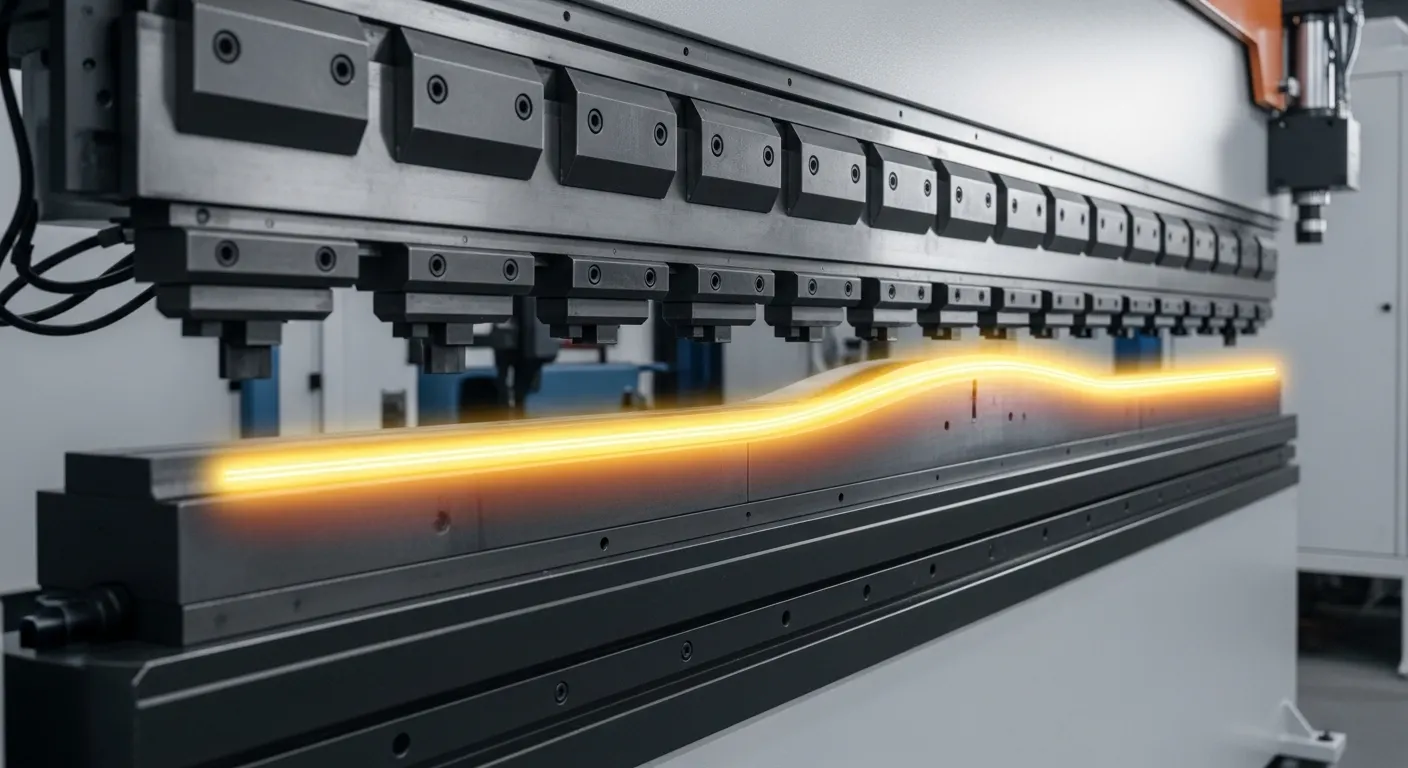
Pour obtenir une courbure parfaite, une machine doit compenser le déviation du lit et du Retour à l’eau du métal. Notre Freins à pression CNC à angle variable Utilisez des systèmes de couronnement mécaniques ou hydrauliques pour garantir que le bélier et la table restent parfaitement parallèles, ce qui est essentiel pour maintenir un angle constant sur toute la longueur d’une pièce de 4 mètres.
Dans nos tests de matériaux à haute résistance, Nous avons constaté que le "Effet canoë" (où le centre de la courbe est plus large que les extrémités) est la cause la plus fréquente de pièces rejetées. Pour résoudre cela, JS Ragos intègre Couronnement CNC (Axe V) cela ajuste automatiquement la courbure du plateau en fonction de la pression détectée pendant la course.
En outre, Compréhension du Facteur K et la résistance à l’élasticité du matériau est critique. Nos machines utilisent des algorithmes qui calculent automatiquement le nécessaire "Sur-courbure" pour tenir compte du rebond. C’est particulièrement important lorsqu’on travaille avec Freins à pression CNC à 4 axes, où la jauge de fond doit se déplacer verticalement (Axe R) pour soutenir la bride pendant la courbure.
Pour plus de détails sur l’interaction de ces axes, Vous pouvez lire notre analyse approfondie de la Dégradation du frein à pression CNC multi-axes.
L’investissement en vaut-il la peine ?? (Analyse du ROI)
Investir dans un Frein à pression CNC à angle variable est justifié lorsque le coût total de possession est comparé aux coûts de main-d’œuvre et de ferraille des machines manuelles. En automatisant les calculs d’angle et le positionnement du backgauge, Les ateliers peuvent faire appel à des opérateurs moins expérimentés pour produire Résultats au niveau master, Résoudre efficacement la pénurie de main-d’œuvre qualifiée tout en augmentant le débit quotidien.
D’après notre expérience, le retour sur investissement provient généralement de trois domaines principaux:
- Économies d’énergie: Nos systèmes hybrides de servo ne font fonctionner le moteur que lorsque le bélier bouge, réduction significative des factures d’électricité.
- Longévité des outillages: Le contrôle précis de la pression empêche "Toucher le fond" trop difficile, ce qui prolonge la durée de vie de vos coups de poing et de vos morts.
- Capacité complexe: Avoir un angle variable L’installation vous permet de soumissionner sur des projets complexes de qualité aérospatiale ou médicale que les ateliers standards ne peuvent pas gérer.
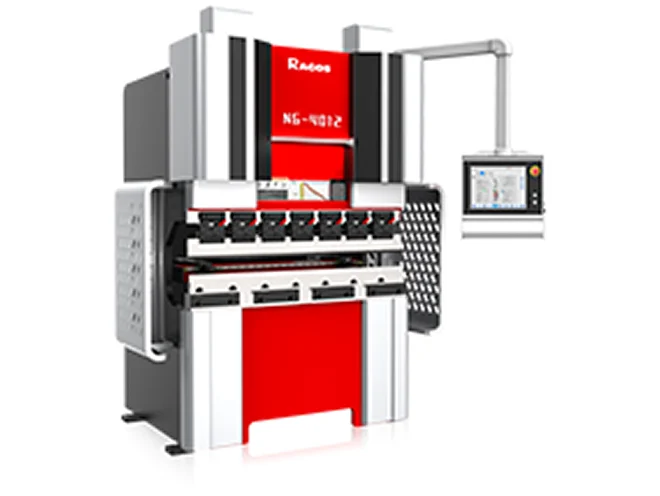
Si vous explorez votre première amélioration, Réfléchissez à ce que vous pouvez accomplir avec un Frein à pression CNC à 4 axes pour voir si cela répond à vos exigences actuelles en volume de production.
Questions fréquemment posées
Alors que tous les métaux bénéficient de la précision CNC, Matériaux avec un fort rebond ou des structures de grains incohérentes, comme l’acier inoxydable et l’aluminium à haut rendement, voir la plus grande amélioration. Le contrôle à angle variable permet les réglages précis nécessaires pour maintenir ces règles "difficile" Matériaux à tolérance.
Le couronnement CNC utilise le contrôleur de la machine pour détecter la force appliquée à la pièce et ajuster physiquement le centre du plateau. Cela garantit que la pression est uniforme sur toute la longueur de la machine, empêchant le "Milieu" de votre partie à cause d’un angle différent des extrémités.
Non. En fait, les interfaces CNC modernes comme celles utilisées par JS Ragos sont conçues pour être intuitives. Une fois le fichier 3D chargé, La machine gère la trigonométrie complexe de la courbure, ce qui signifie qu’un opérateur doit principalement se concentrer sur la manipulation sûre des matériaux et les contrôles qualité plutôt que sur les calculs manuels.