

Fournisseur de machines pliées pour lampadaires: Comment fabriquer des bâtons de qualité
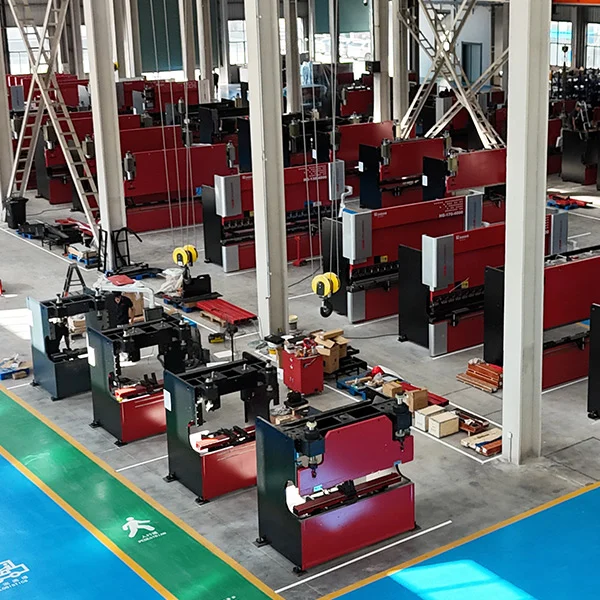
En tant que fournisseur de machines plieuses pour lampadaires, JS RAGOS considère la production de poteaux comme un processus de fabrication contrôlé où chaque étape affecte la résistance, Apparence, et durée de service. Les lampadaires ne sont pas de simples structures en acier. Les lampadaires doivent rester fiables sous la charge du vent, Environnements extérieurs, Défis du transport, et années de service installé. C’est pourquoi la véritable qualité du produit commence bien avant la phase de flexion. Tout commence par une préparation minutieuse des matériaux, Formage précis, Soudage discipliné, et des systèmes de protection de surface fiables.
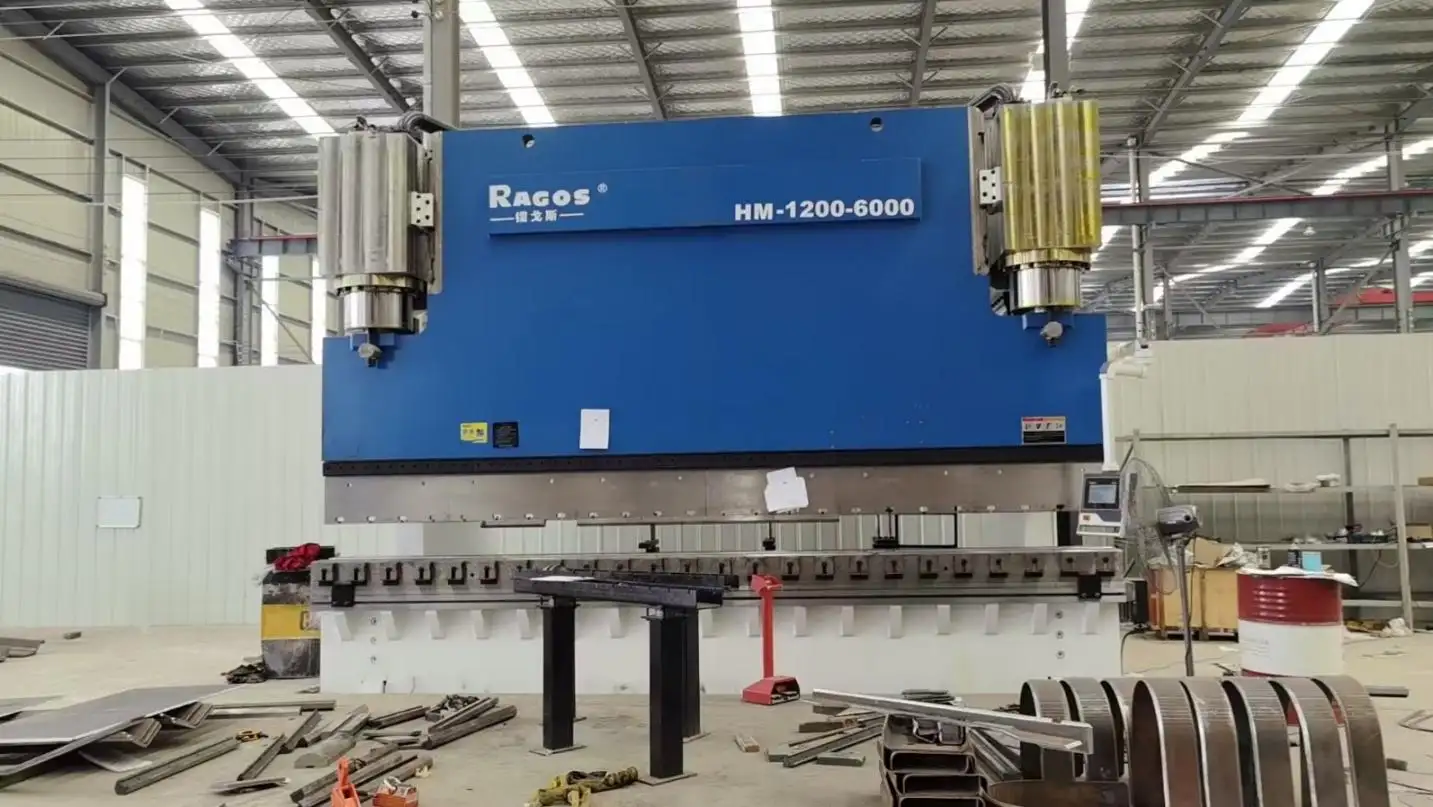
Dans cet article, Nous discutons de la fabrication de poteaux d’éclairage public de haute qualité, Pourquoi chaque étape contribue à la performance finale, et comment le bon équipement aide les fabricants à obtenir une production fiable sur de grandes séries de production.
Pourquoi la qualité des poteaux commence par le contrôle des procédés
Un lampadaire fini peut paraître simple de l’extérieur, Mais le parcours manufacturier derrière elle est très structuré. Chaque étape doit soutenir la suivante. Si la feuille n’est pas assez plate, La flexion devient instable. Si la soudure est incohérente, Le redressement plus tard devient plus difficile. Si le nettoyage de surface est incomplet, Les performances du revêtement en pâtiront en extérieur.
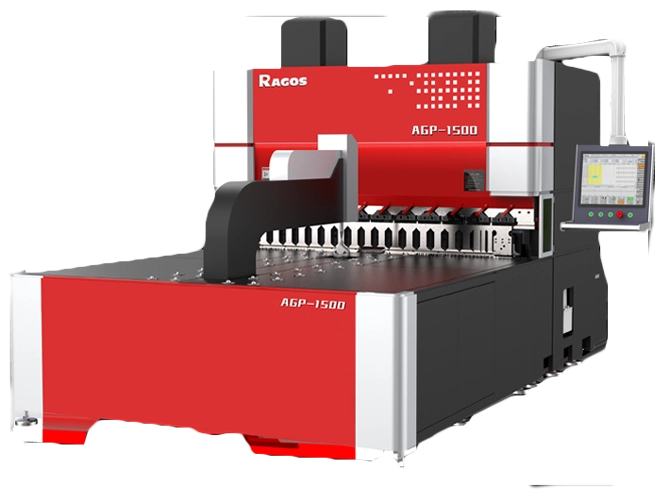
En tant que fournisseur de machines plieuses pour lampadaires, JS RAGOS se concentre sur la partie du processus où le contrôle dimensionnel devient visible. Toutefois, Nous savons aussi que les clients doivent comprendre l’ensemble du flux de travail, Pas seulement une machine.
Une chaîne de production typique de poteaux est construite autour de ces objectifs fondamentaux:
• Maintenir la cohérence dimensionnelle de la préparation de la feuille à l’assemblage final
• Réduire les défauts de soudure causés par la variation des arêtes ou un mauvais alignement
• Soutenant un formage stable pour les conceptions à poteaux coniques et cylindriques
• Améliorer l’efficacité de la production pour les commandes répétées et les grands projets d’infrastructure
• Protéger les performances extérieures à long terme grâce à une finition appropriée
Pour les acheteurs et les responsables de production, Cela signifie une chose importante: La sélection de la machine doit toujours être liée à la logique de production complète, pas considéré comme un achat isolé.
La préparation des matériaux construit les fondations
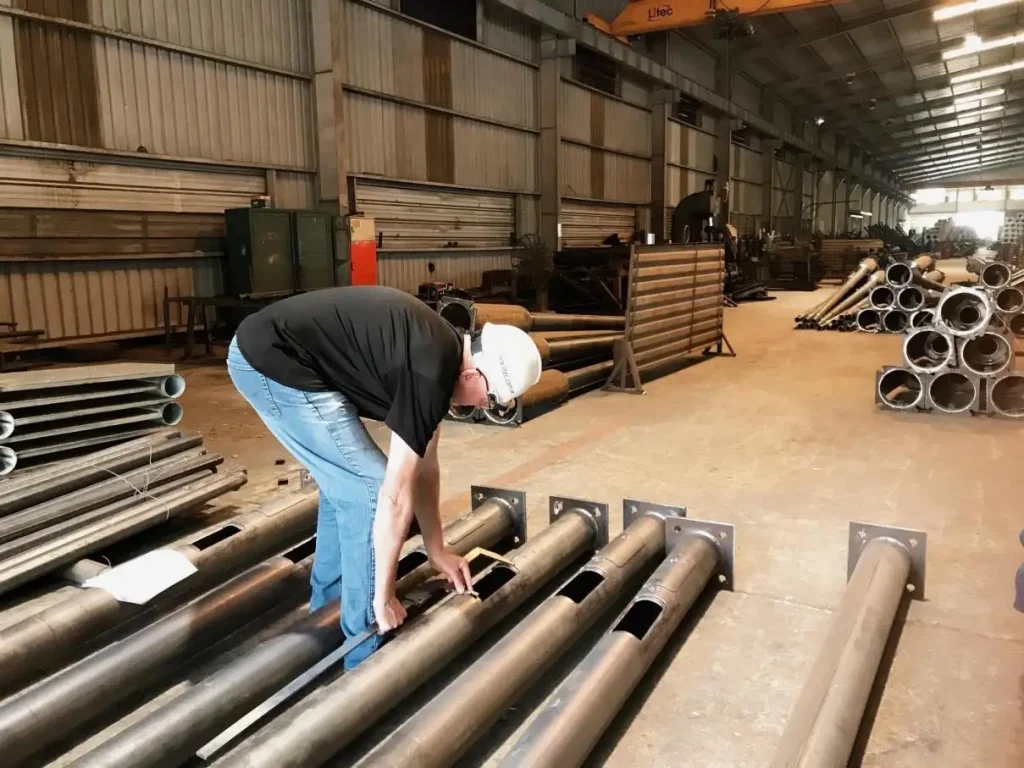
Avant qu’une tôle d’acier n’entre dans la machine de pliage, Il doit être préparé correctement. Ce stade précoce a un impact direct sur la qualité en aval. Dans la production standard de poteaux d’éclairage public, Les bobines en acier sont d’abord déroulées en feuilles plates. Au cours de cette opération, La tension doit être contrôlée avec soin pour éviter toute déformation. Pour les applications sur les pôles communs, L’épaisseur de la feuille se situe souvent entre 3 et 12 mm, donc la mise en place doit correspondre à la condition du matériau.
Après la phase de déroulement, Le découpage des bords et le nivellement sont effectués pour améliorer la qualité des feuilles avant le formage. La coupe aide à éliminer les défauts de tranchant qui pourraient influencer la qualité des joints de soudure, le nivellement corrige la déformation résiduelle causée par la forme originale de la bobine et la manipulation ultérieure. Une feuille plate est essentielle à cette étape, car même une légère déviation de surface peut créer des problèmes de désalignement dans le processus de roulage.
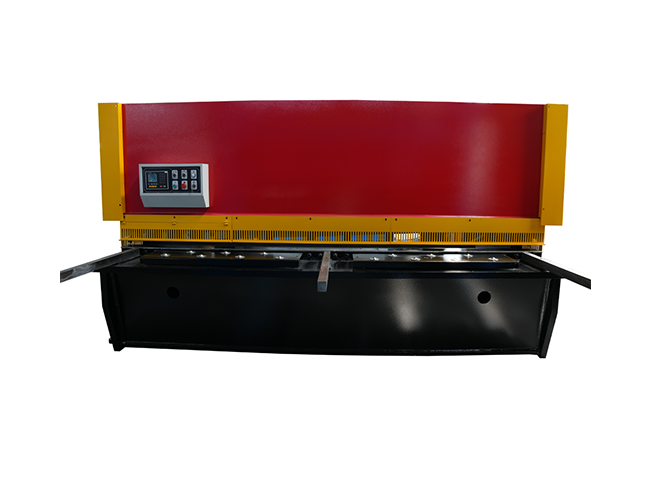
Après, La feuille est taillée pour correspondre à la longueur requise. De nombreux projets de production de poteaux impliquent des produits finis de 6 à 12 m, Une coupe précise et reproductible est nécessaire pour assurer la cohérence d’un lot à l’autre. Une fois tondue, Les feuilles sont souvent empilées et transférées à l’étape de coupe conique.
À JS RAGOS, Nous conseillons toujours à nos clients de considérer cette étape de préparation comme un investissement de qualité. Une meilleure manipulation des feuilles brutes conduit à un pliage plus lisse, Meilleure fermeture des coutures, et moins de retouches plus tard dans la gamme.
Forme de coupe et pliage précis du corps du poteau
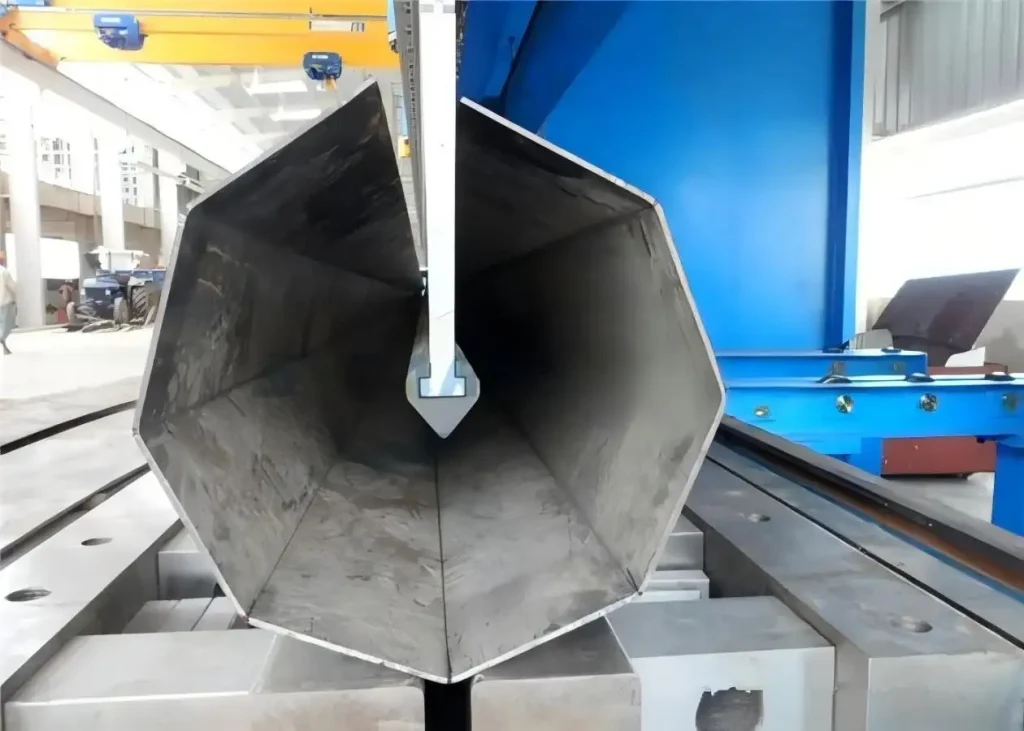
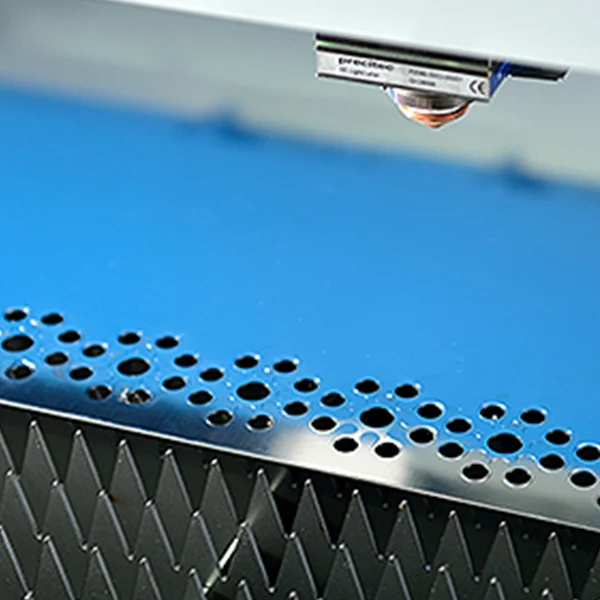
Une fois le matériau préparé, L’étape suivante consiste à créer le panneau effilé qui deviendra le corps du poteau. Cela se fait généralement avec des systèmes de découpe plasma CNC ou laser à fibre. Le but n’est pas seulement de couper la plaque, mais aussi pour créer la géométrie conique correcte nécessaire à la formation des pôles coniques.
À ce stade, La discipline dimensionnelle importe. Tolérance de coupe serrée, souvent autour de ±0,5 mm, Aide à garantir que les deux longs bords se rejoignent correctement lors de la soudure. Une mauvaise coupe conique peut provoquer des espaces ouverts, Chevauchement, ou comportement de roulement instable.
Comment un fournisseur de machines plieuses pour poteaux d’éclairage public soutient cette étape
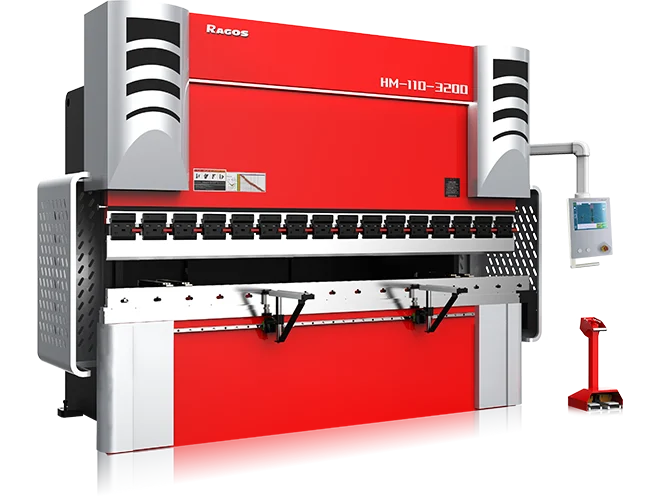
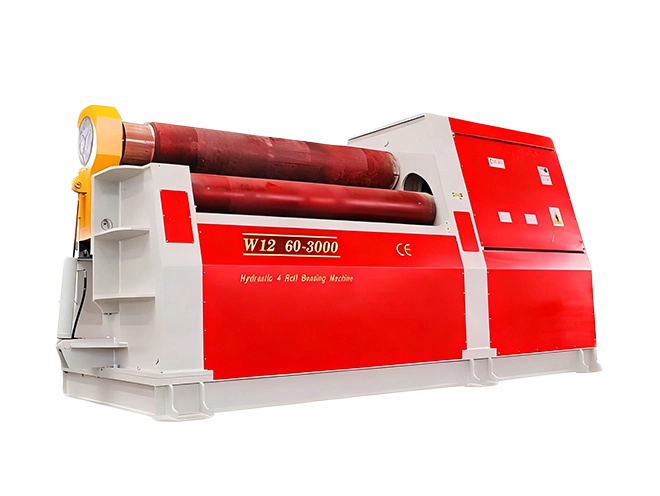
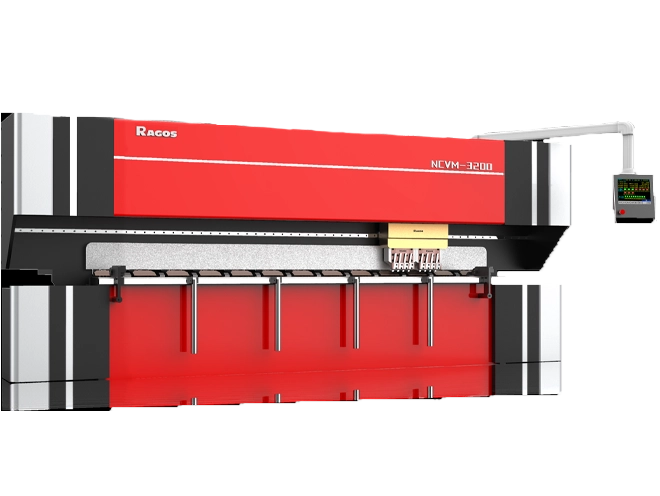
C’est là que le rôle de fournisseur de machines pliées pour poteaux d’éclairage public devient très pratique. Un Machine CNC à laminer des plaques transforme le panneau plat et effilé en un corps rond ou conique. La machine doit fournir une courbure reproductible, Alimentation contrôlée, et distribution de pression uniforme.
À JS RAGOS, Nous décrivons les avantages des machines à travers les résultats qui préoccupent le plus les clients:
• Un déplacement régulier des rouleaux aide à réduire la variation entre les lots de production
• Un pliage précis améliore la préparation des joints pour le processus de soudage
• Un formage fiable favorise une meilleure rondeur des pôles et un profil de surface plus soigné
• L’ajustement contrôlé par CNC réduit les tests manuels et améliore le flux de travail
• Une grande rigidité mécanique rend le formage en acier robuste plus stable
Ce ne sont pas simplement des caractéristiques d’équipement du point de vue du client. Ils offrent une valeur pratique en aidant à réduire les coûts de main-d’œuvre, Minimiser la ferraille, et garder la qualité de livraison plus stable.
Le soudage et le redressement déterminent la fiabilité structurelle
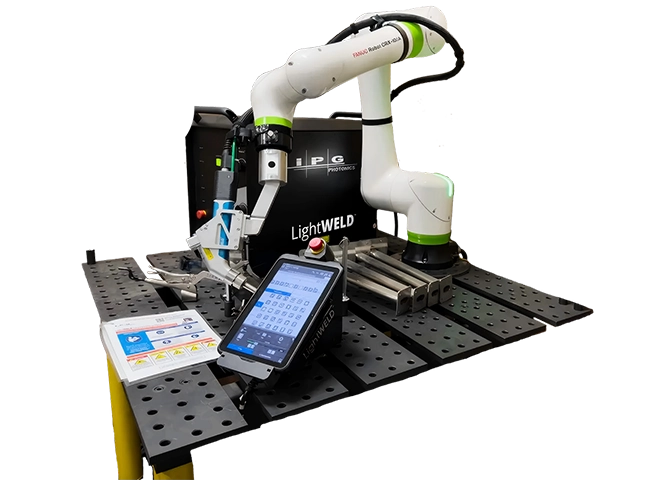
Après la flexion, La section formée du poteau entre dans la soudure. Ce processus relie la structure en un corps continu et est essentiel pour la fiabilité à long terme. Pour les applications de pôles porteurs, Les fabricants utilisent souvent le soudage à l’arc submergé (SAW) car elle offre une pénétration profonde et une formation de couture stable. Dans de nombreux milieux industriels, Un seul passage de soudage peut atteindre une profondeur de pénétration de 10 à 15 mm, selon l’épaisseur du matériau et les conditions de montage.
Une bonne soudure dépend d’un bon ajustement. C’est une autre raison pour laquelle la flexion précise est importante. Quand la couture se referme proprement, Le processus de soudage devient plus stable et plus facile à contrôler.
Après soudage, Le pôle peut encore présenter une légère déformation due à l’entrée de chaleur ou à la formation de contraintes. Le redressement est ensuite utilisé pour rétablir la précision axiale. Les chaînes de production de haute qualité visent souvent une tolérance de droiture autour de ≤1 mm/m, ce qui est important pour la qualité de l’installation et l’apparence visuelle.
De notre point de vue chez JS RAGOS, Cette étape rappelle aux acheteurs que la précision de la production est cumulée. Pliage, Soudage, et le redressement sont étroitement liés. Si un stade est instable, L’étape suivante doit compenser, ce qui augmente le temps et le coût.
L’assemblage de brides et la protection de surface prolongent la durée de vie
Un poteau d’éclairage public n’est pas complet lorsque le puits est formé. Le poteau doit également être conçu pour une connexion sécurisée des fondations et des performances extérieures fiables. La soudure à brides fixe l’extrémité inférieure du poteau à sa base de fondation. Au cours de ce processus, Emplacement de la bride, Perpendiculité, et la platitude doivent être vérifiées avec soin pour garantir une installation sur le terrain fiable et efficace.
Pour de nombreux modèles à pôles, L’épaisseur de la bride se situe généralement entre 20 et 30 mm. Après soudage, La couture est évaluée par inspection visuelle et essais non destructifs avant que la perche ne passe au processus de finition.
Le traitement de surface est tout aussi important lors de la phase finale de production. Parce que les lampadaires fonctionnent dans des environnements humides, Lumière du soleil, Poussière, et les variations de température, Un système anticorrosion fiable comprend généralement:
• Sablage pour une préparation complète de surface
• Couche d’apprêt pour la protection antirouille
• Revêtement final pour une résistance accrue aux intempéries et aux UV
Cette approche de finition apporte plus que l’esthétique de surface. Cela permet de prolonger la durée de vie opérationnelle et de réduire les besoins de maintenance pour les usagers des infrastructures publiques. Un poteau bien enduit fonctionne mieux avec le temps et préserve une image de projet plus cohérente.
Que recherchent les clients chez un fournisseur de machines pliées pour lampadaires
Le choix d’un fournisseur de machine plieuse pour poteaux d’éclairage public ne doit pas se faire uniquement sur le prix. Les clients doivent évaluer si le fournisseur comprend la production de poteaux comme un système complet. Un fournisseur de machines devrait pouvoir discuter de la gamme de matériaux, Logique de formation du conique, Montage de soudure, et le flux de production en termes pratiques.
À JS RAGOS, Nous recommandons aux clients de se concentrer sur trois questions:
Ce qui fait de JS Ragos un partenaire pratique
Premier, L’équipement peut-il prendre en charge les dimensions réelles des poteaux et la plage d’épaisseur utilisées dans votre usine?
Deuxième, La machine peut-elle fournir des résultats de formage reproductibles sur de longs cycles de production?
Troisième, Le fournisseur peut-il fournir des conseils de processus qui aident votre équipe à améliorer la qualité des résultats, Pas seulement installer du matériel?
Notre objectif est d’aider les clients à construire une production de poteaux plus fiable avec des machines adaptées aux besoins réels de fabrication. Cela inclut les solutions de flexion pour les corps à pôles coniques, Contrôle de formage stable, et un soutien pratique à l’amélioration de la production.
Si votre entreprise prévoit une nouvelle ligne de poteaux ou une mise à niveau des équipements existants, contactez JS RAGOS pour discuter de la solution adaptée au laminage de plaques et au formage de poteaux pour votre projet. La bonne machine ne façonne pas seulement l’acier. Il supporte la qualité, efficacité, et la confiance à long terme des clients.
Dans la fabrication de poteaux d’éclairage public, La qualité ne se crée jamais par une seule étape. Cela est réalisé lorsque chaque étape fonctionne avec précision. C’est la logique de production à laquelle nous croyons, et c’est la valeur que JS RAGOS cherche à apporter.