



How to Bend Stainless Steel Without Cracking on a Press Brake
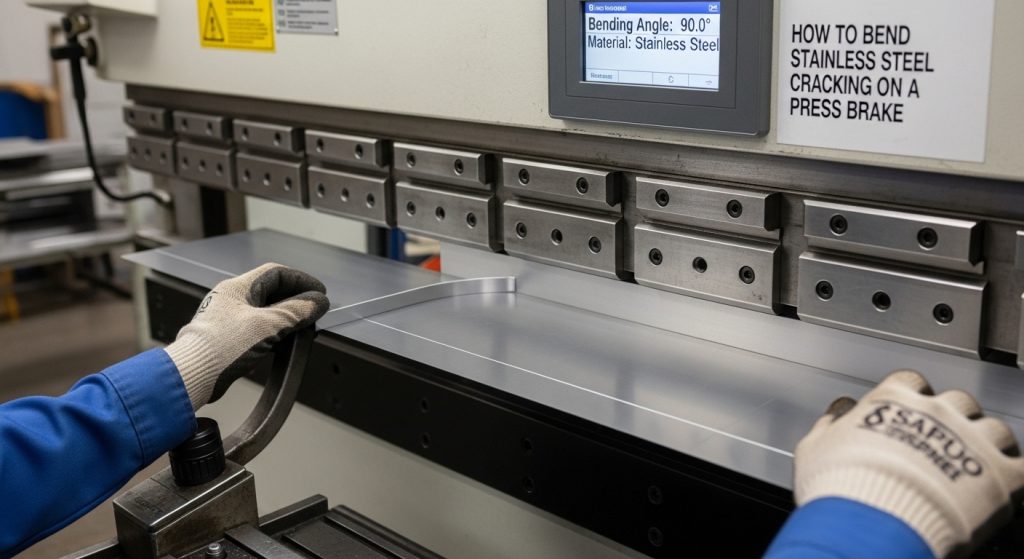
How to bend stainless steel without cracking on a press brake is a challenge that requires you to understand material physics more than raw power. Stainless steel is famous for being stronger than mild steel, but it is also less ductile.
This means it reaches its breaking point much faster when you try to fold it. You will often see cracking appearing on the bend outside edge because the metal fibers have been stretched beyond their limit. Tooling geometry is critical in stainless forming because the wrong punch or die can create a micro fracture initiation stress point. If you make a mistake in your setup, you risk creating expensive scrap and damaging your tools.
This guide will help you manage the strain hardening crack propagation behavior of your material. By focusing on the correct bend radius and grain direction, you can produce clean, professional parts every time. You can avoid common shop failures by following a few practical steps for setup and execution.
Cracking in stainless steel usually happens because of these specific triggers:
- Using a punch radius that is too sharp for the material thickness.
- Bending along the grain rather than across it.
- Selecting a V-die that is too narrow, which spikes the local stress.
- Ignoring the work-hardening nature of austenitic stainless grades.
Why Does Stainless Steel Crack During Press Brake Bending?
Stainless steel does not behave like mild steel. It has a high tensile strength effect that causes it to fight back during the bend. As the tool pushes into the metal, you see a strain hardening deformation resistance rise.
- Work Hardening: Stainless steel gets harder and more brittle as it is deformed. If you bend it too fast or too tightly, it "locks up" and snaps.
- Low Elongation: It has a low elongation tolerance compared to softer metals. The outer fiber tensile fracture initiation zone is where the metal is stretched the most.
- Ductility Limits: Once you pass the plastic deformation ductility limit threshold, the material can no longer flow. At this point, a crack starts and quickly spreads across the bend.
Understanding these physics helps you realize that you cannot force stainless to behave like other metals. You must give the material enough room to move without reaching its breaking point.
What Bend Radius Is Safe for Stainless Steel on a Press Brake?
The most important rule in stainless bending is to avoid a "knife" edge. You need an inside bend radius tensile stress reduction strategy to keep the fibers intact.
| Material Grade | Thickness (T) | Minimum Inside Radius |
| 304 / 316 (Soft) | 1mm - 3mm | 1.0x to 1.5x T |
| 304 / 316 (Hardened) | 1mm - 3mm | 2.0x to 3.0x T |
| 430 (Ferritic) | 1mm - 3mm | 3.0x to 4.0x T |
If you use a punch with a radius that is too small, you concentrate all the force into one tiny spot. This causes a neutral axis compression shift stabilization failure. By using a larger radius, you achieve a better bend strain distribution radius effect. This spreads the stretch over a larger area on the outside of the bend, which significantly lowers your crack risk.
How Does V Die Opening Size Affect Stainless Steel Cracking Risk?
Your V-die opening changes how the pressure is applied to the sheet. A larger V-die reduces the stress on the metal by giving it a longer "bridge" to span.
- Narrow V Risk: A smaller V-die increases the die shoulder pressure concentration amplification. This pinches the metal and forces it to stretch too sharply.
- Large V Benefit: A wider V creates a forming force distribution widening effect. This lowers the contact stress peak reduction zone and makes the bend more gradual.
- Tonnage vs. Stress: While a larger V-die requires less tonnage, its main benefit for stainless is the reduction of local strain.
A good rule for stainless is to use a V-die that is 10 to 12 times the material thickness. This is wider than the 8x rule used for mild steel. This extra space helps prevent the metal from reaching its fracture point during the stroke.
Why Grain Direction Matters When Bending Stainless Steel?
Stainless steel has a "grain" created during the rolling process at the mill. This rolling direction elongation anisotropy effect means the metal is stronger in one direction than the other.
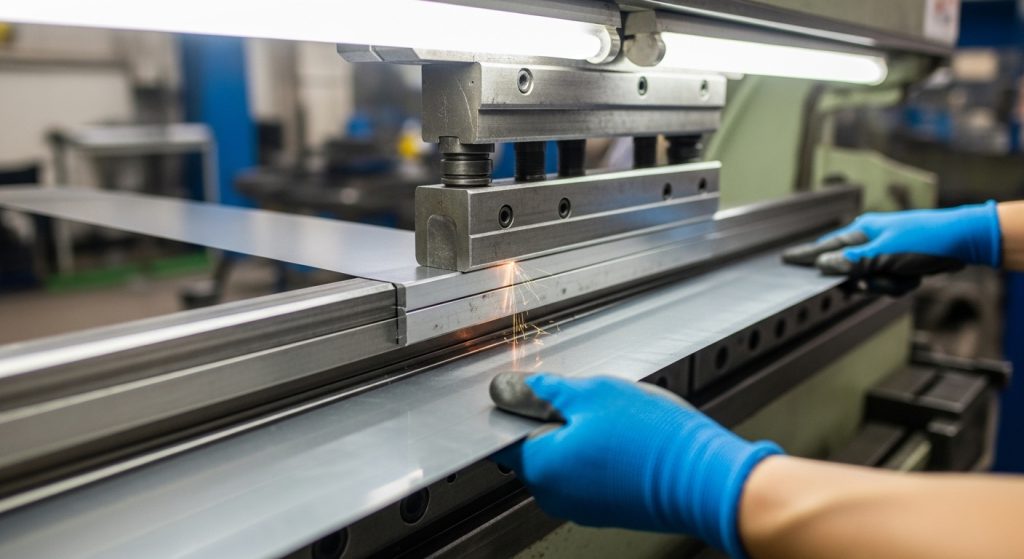
- Across the Grain: This is the safest way to bend. It allows the grain boundary fracture propagation path to resist cracking.
- Along the Grain: If you bend parallel to the grain, the metal fibers can split apart like a piece of wood. This creates a high material fiber directional tensile resistance failure.
- Cold Rolled Structure: Cold-rolled sheets have very visible grains. You should always try to orient your parts so the main bends are 90 degrees to the rolling direction.
If you must bend along the grain, you should use an even larger punch radius to compensate for the higher crack risk.
Why Is Air Bending Safer Than Bottoming for Stainless Steel?
Air bending is the best method for stainless because it allows for a more natural elastic stress distribution balance.
| Method | Physics | Surface / Crack Risk |
| Air Bending | 3-point contact | Low risk; allows the metal to find its own radius |
| Bottoming | Full die contact | High risk; creates a tool penetration stress concentration zone |
Bottoming creates a plastic compression stress spike at the very bottom of the stroke. For stainless, this sudden spike often triggers a fracture. Air bending keeps the stress even throughout the process. It also helps preserve the surface finish, as the metal is not being "smashed" into the die.
How Does Tool Surface Finish Affect Stainless Steel Crack Prevention?
A rough tool can act like a serrated knife on your stainless part. You must manage the surface galling friction interface damage risk to keep the metal healthy.
- Polished Tools: Using polished tooling reduces the friction that can cause heat. Contact friction heat generation micro zone issues can lead to local hardening and cracking.
- Micro Scratches: A tool surface micro scratch stress initiator can be the starting point for a large crack.
- Lubrication: Using a small amount of oil or a protective film can help the metal slide over the die shoulders without catching or tearing.
Keeping your tools clean and smooth is a simple way to reduce scrap. Any mark left on the metal is a potential weak spot where a fracture could begin.
How Do Different Stainless Grades Change Bending Difficulty?
Not all stainless steels are the same. You must adjust your setup based on the specific alloy composition strain hardening variation effect.
- 304 / 316 (Austenitic): These have a wide austenitic stainless ductility forming window. They are the easiest to bend but work-harden quickly.
- 201: This is a medium-difficulty grade that is a bit more prone to cracking than 304.
- 430 (Ferritic): This grade has a ferritic stainless fracture elongation limitation. It is very sensitive and will crack if the radius is even slightly too small.
Knowing your grade helps you pick the right "safety margin" for your bend radius. If you are switching from 304 to 430, you must increase your punch radius immediately to avoid breaking parts.
What Are the Most Common Shop Mistakes That Cause Stainless Cracking?
Avoiding these common errors will save you time and protect your profit margins:
- Small Punch Radius: This is the #1 cause of cracks. Never use a 0.8mm punch on 3mm stainless.
- Incorrect V-Die: Using a narrow V-die for "better accuracy" usually just leads to broken parts.
- Ignoring Grain: Not checking the sheet labels or looking for grain lines before cutting.
- Excessive Tonnage: Trying to "force" a bend to a tighter angle than the material allows.
- Worn Dies: Sharp or damaged die shoulders that create a localized strain overload fracture start point.
When Tandem Press Brakes Are Used for Long Stainless Parts
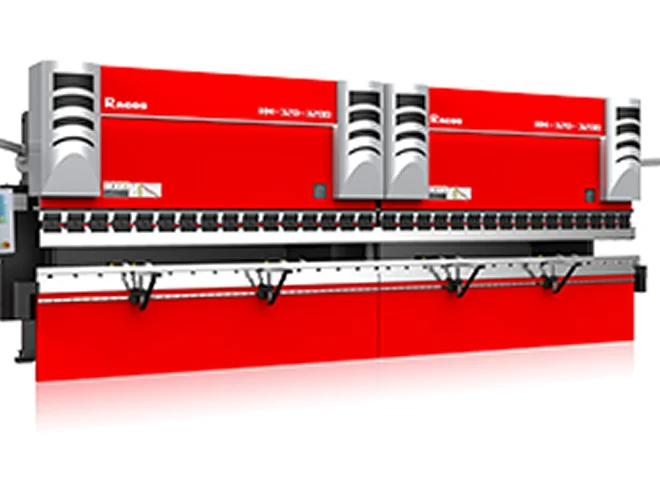
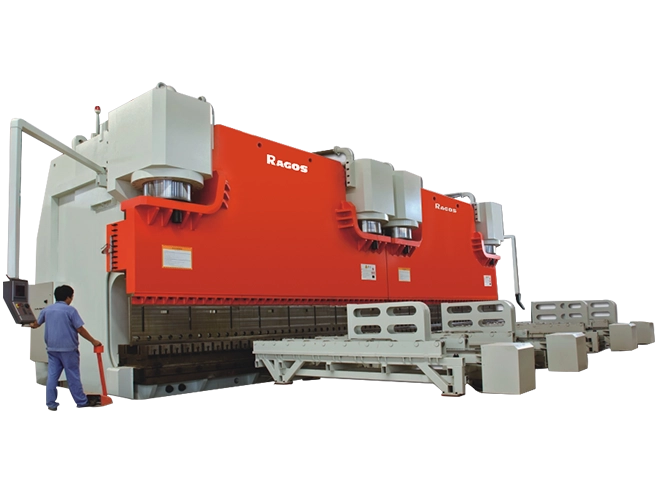
For very long panels, you might use a multi machine synchronized stainless bending setup. This allows for a long panel load distribution balance that prevents bowing. A dual frame bending angle consistency control system ensures that even a 6-meter stainless sheet is bent evenly without cracking at either end.
How Aluminum Bending Settings Differ From Stainless Steel
You will find that aluminum elastic recovery amplification range is different, though both can crack. Aluminum has a low hardness metal deformation instability window and requires different care. While stainless needs a large radius for strength, aluminum needs it to prevent the soft surface from tearing or showing a "memory" effect.
How Sheet Steel Bending Differs From Stainless Crack Risk Behavior
Standard mild steel ductility bending tolerance window is much wider. You will notice a sheet steel lower crack propagation tendency. Mild steel is forgiving, whereas stainless requires you to stay within a tight steel bend strain distribution stability range to avoid failure.
Thin Sheet Forming Lessons From HVAC Panel Bending
Managing thin panel elastic recovery forming dominance is key for large, thin stainless sections. You must maintain a long flange stress distribution stability to avoid warping. Lessons in panel seam alignment bending tolerance control from the HVAC world can help you keep your enclosures and tanks square.
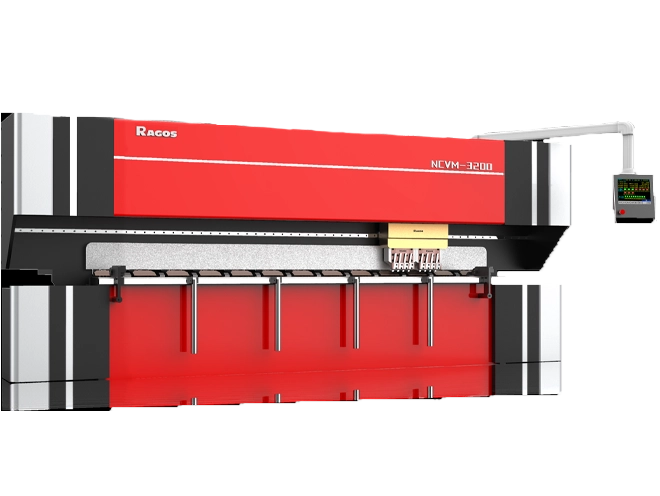
Dedicated Stainless Steel Press Brake Setup for Crack Prevention
Using a stainless forming pressure control stability system is the best way to handle tough jobs. These machines account for high strength stainless bend angle compensation margin needs. They also feature a stainless surface finish protection forming interface to keep your polished or brushed sheets looking perfect.
Aluminum Bending Parameter Lessons That Help Reduce Stainless Cracking Risk
You can use bend speed strain distribution influence tips to help with stainless. Slowing down the tool penetration depth deformation control can help the stainless "flow" better. Applying a metal forming stress gradient adjustment method helps you find the perfect speed to prevent the metal from snapping.
Final Thought
Stopping stainless steel from cracking is all about reducing the stress on the outer fibers of the bend. By using a larger punch radius, a wider V-die, and bending across the grain, you can master this tough material. Always remember that stainless gets harder as you work it, so your first move must be the right one.