

Machine à plier des plaques à haute capacité: Guide d’achat complet pour 2026
AMachine de pliage de plaques robuste est conçu pour un travail que les freins à pression standards et les systèmes de flexion à faible calibre ne peuvent tout simplement pas gérer — un acier de structure épais, Composants du réservoir sous pression, Profils de construction navale, Poutres de construction, et des pièces industrielles grand format. À 250T et plus, Le poids du cadre, Architecture hydraulique, Système de refroidissement, et la configuration du die doivent toutes correspondre précisément à l’application. Respecter cette spécification détermine si la machine fonctionne à sa capacité nominale après trois ans ou si elle commence à montrer une déflexion, Défaillances des joints, et des incohérences d’angle de flexion en douze mois.
Ce guide explique ce qui distingue les véritables machines lourdes des machines de milieu de gamme commercialisées avec un langage robuste, quelles spécifications comptent, et comment sélectionner la bonne configuration selon vos besoins de production.
Qu’est-ce qui constitue une machine de pliage de plaques robuste?
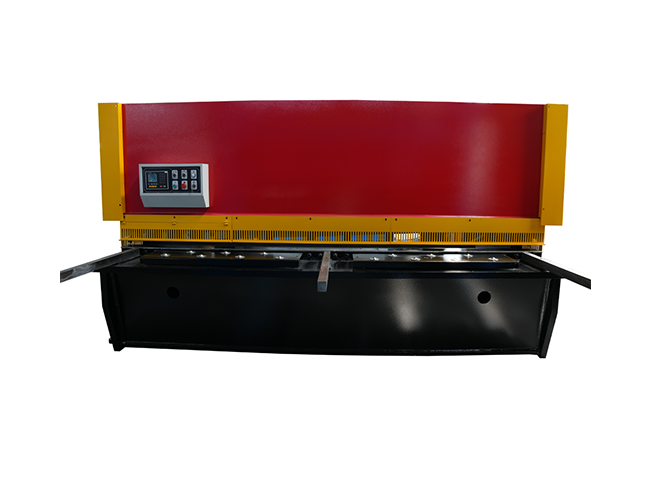
Le terme "Travail lourd" signifie des choses spécifiques dans la courbure de plaques. AMachine de pliage de plaques robuste circule sur les 250T–3,000Classe T, plie le matériau de 8 mm à 80 mm dans de l’acier doux, Inox, ou alliages structurels à haute résistance, et s’étend sur des longueurs de lit de 4,000mm à 12,000mm.
Les machines utilisées dans les chantiers navals, Centrales à cuve sous pression, Fabrication de construction lourde, Fabrication de tours éoliennes, et la production d’équipements miniers entrent tous dans cette catégorie. Les freins à pression CNC standards dans la classe 80T–150T — quel que soit le langage marketing — ne sont pas des machines robustes. Les exigences structurelles pour former une plaque structurelle de 20 mm à 6,000La longueur en mm impose des exigences totalement différentes en matière de rigidité du cadre, Pression hydraulique, et le guidage du ram puis la flexion des panneaux de tôle de 2 mm.
Trois types de machines dominent le segment de courbure de plaque robuste:
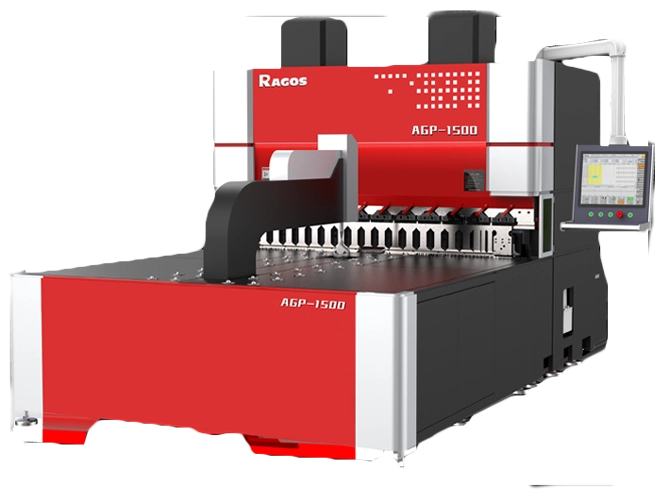
- Freins à pression CNC robustes — Courbure de type bélier pour les plis angulaires dans une plaque épaisse (250T–3,000T)
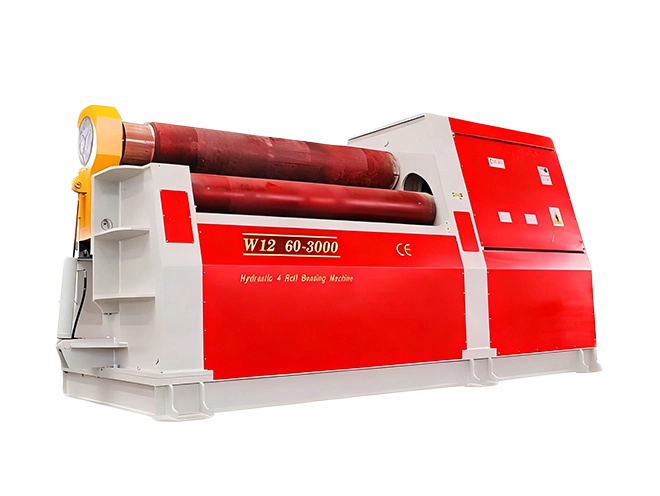
- Machines à laminer des plaques à 4 rouleaux — pour former des coques cylindriques et coniques à partir de plaques épaisses
- Machines à laminer des plaques à 3 rouleaux — pour le roulage à grand rayon dans la construction navale et la fabrication de réservoirs de stockage
Freins à pression CNC robustes: 250T à 3000T
Poids et rigidité du châssis
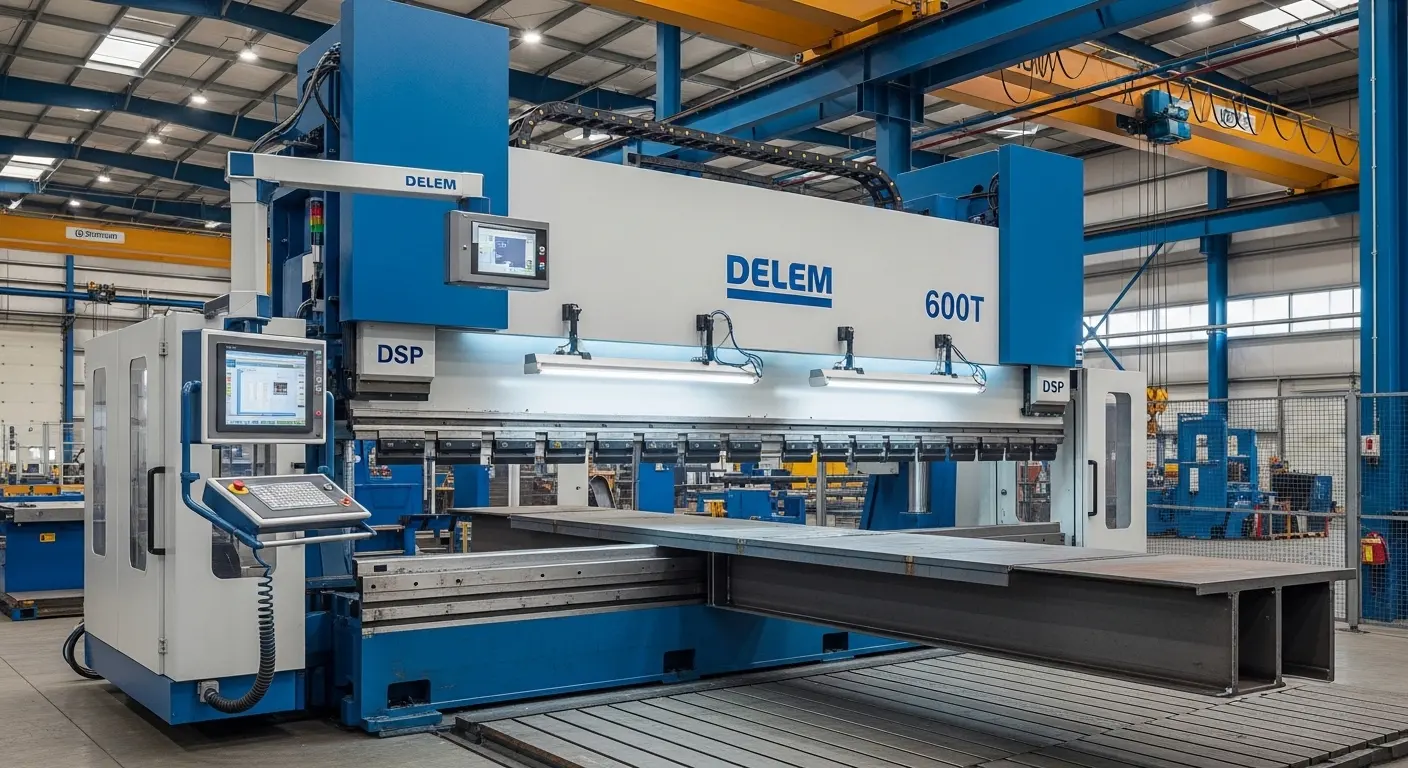
La spécification la plus importante dans unMachine de pliage de plaques robuste est le poids du cadre. Un châssis plus lourd — acier structurel entièrement soudé, soulagement de contrainte après soudage, Usiné précisément à toutes les surfaces de port — se dévie moins sous pleine charge de tonnage. La déviation est l’ennemie des angles de flexion constants sur les longues plaques.
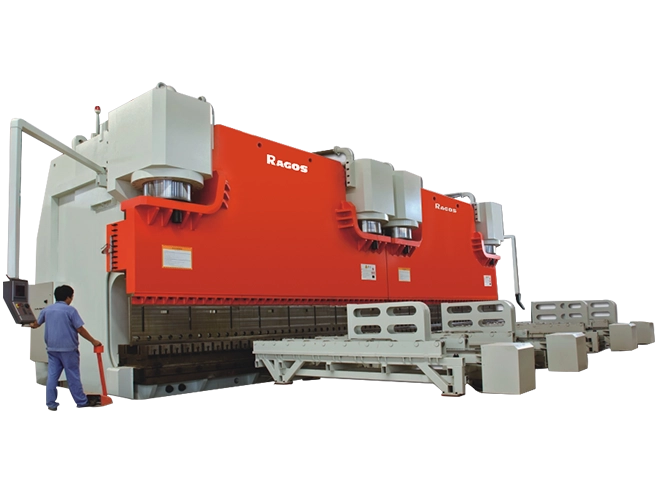
Un frein à pression robuste crédible à 400T devrait peser au moins 18,000–22,000 Historique médical. Une machine qui indique 400T mais pèse 12,000 KG a obtenu cette réduction de poids en réduisant l’acier structural dans le châssis — ce qui signifie directement plus de déflexion sous charge, ce qui signifie des angles de flexion irréguliers sur n’importe quelle plaque de plus de 3 mètres.
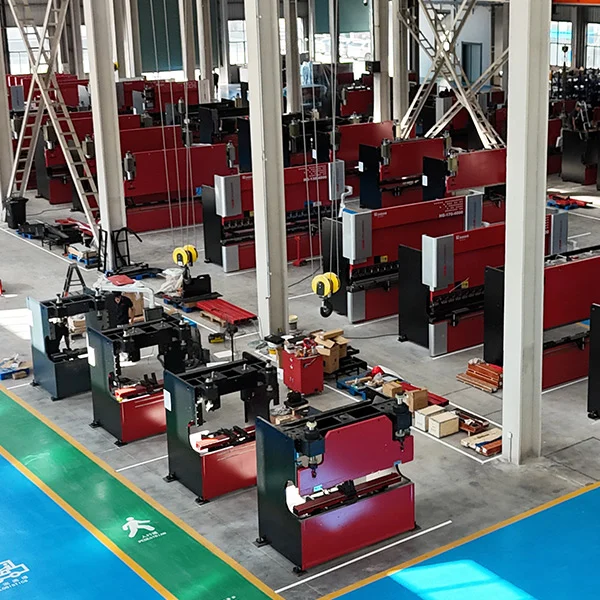
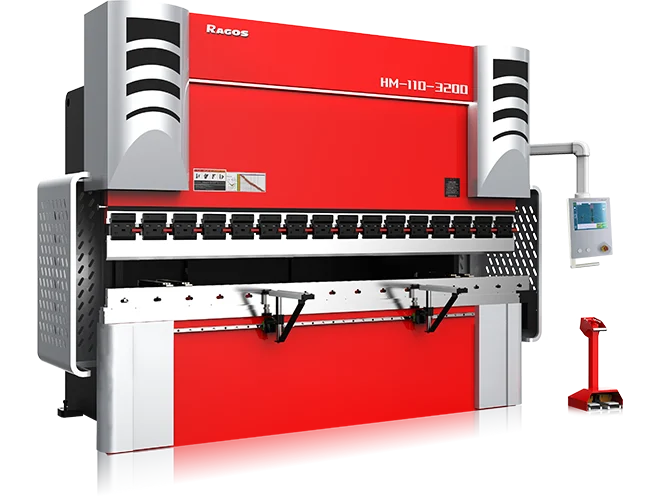
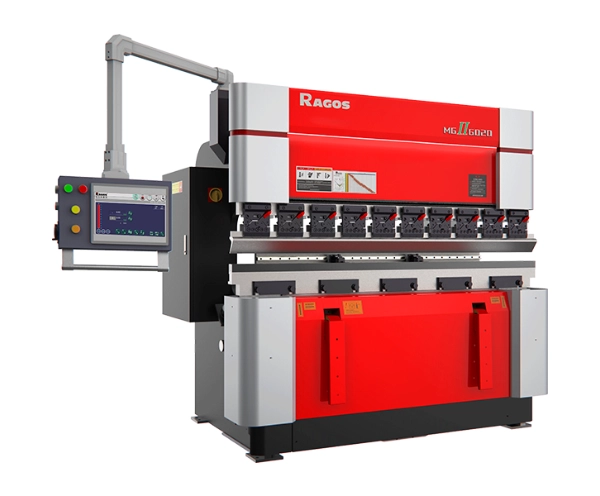
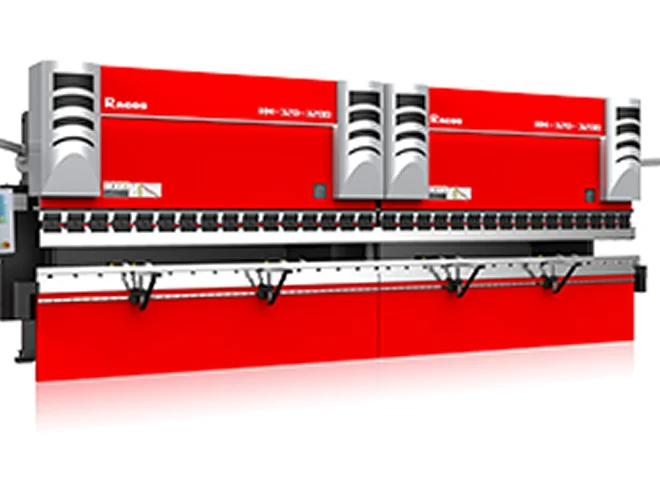
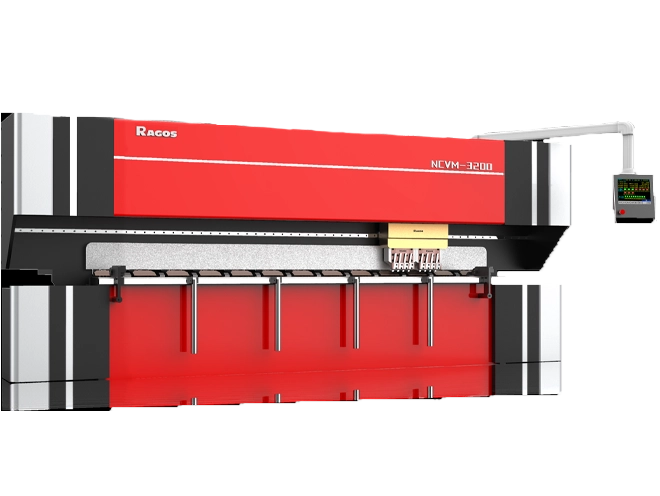
La série JS RAGOS HG/HM couvre la gamme allant du 600T au 3,000T avec des cadres entièrement soudés et soulagés des contraintes, doigts à calibre arrière réglables indépendamment jusqu’à 12 m de longueur de plateau, et une table de couronnement intégrée qui compense la déviation des images en temps réel. La gamme complète des spécifications, y compris les options de tonnage, Longueurs de lits, et configurations de contrôleurs, est disponible sur lePage produit du frein à pression robuste JS RAGOS.
Le système énergétique DSVP pour la production lourde
Une machine à plier des plaques robustes à 600T fonctionnant deux ou trois quarts par jour génère une énorme chaleur hydraulique. Sans un système d’alimentation et de refroidissement approprié, La température de l’huile hydraulique augmente progressivement, Gouttes de longévité du joint, et la précision du positionnement se dégrade au fil du décalage à mesure que la viscosité de l’huile change.
Le JS RAGOS DSVP (Pompe à double servo) Le système aborde directement ce problème. Des servomoteurs doubles contrôlent la sortie de la pompe hydraulique à la demande — ne s’activant que lors du mouvement actif du bélier, pas en continu. Cela réduit la consommation d’énergie de 60 à 70 % par rapport aux moteurs de pompe hydrauliques conventionnels à vitesse fixe à un tonnage équivalent.
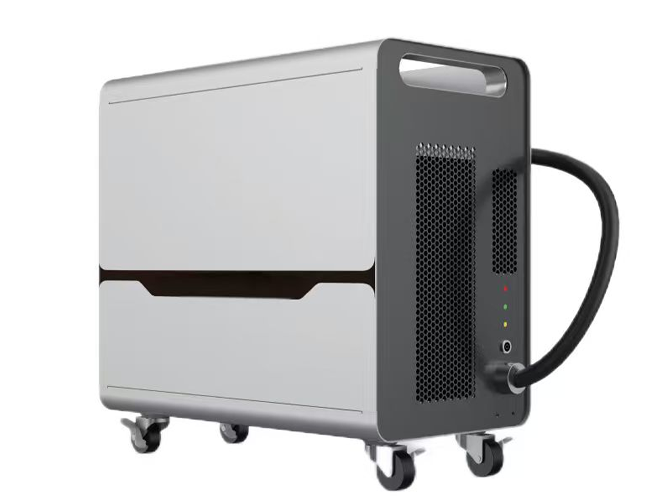
De plus,, le système DSVP s’associe à un système dédiéUnité de refroidissement industrielle qui stabilise la température de l’huile hydraulique et des moteurs servomoteurs pour une production continue 24h/24 et 7j/7 — spécialement conçue pour les régions de climat chaud où la température ambiante accélère la charge thermique du système hydraulique. Pour une explication complète de la façon dont l’architecture servo-hydraulique DSVP réduit la consommation d’énergie tout en maintenant la précision à des tonnages élevés, lePage du système de frein à pression hybride DSVP couvre l’architecture technique en détail.
Le système de matrices réglables Vario pour le travail sur plaques lourdes
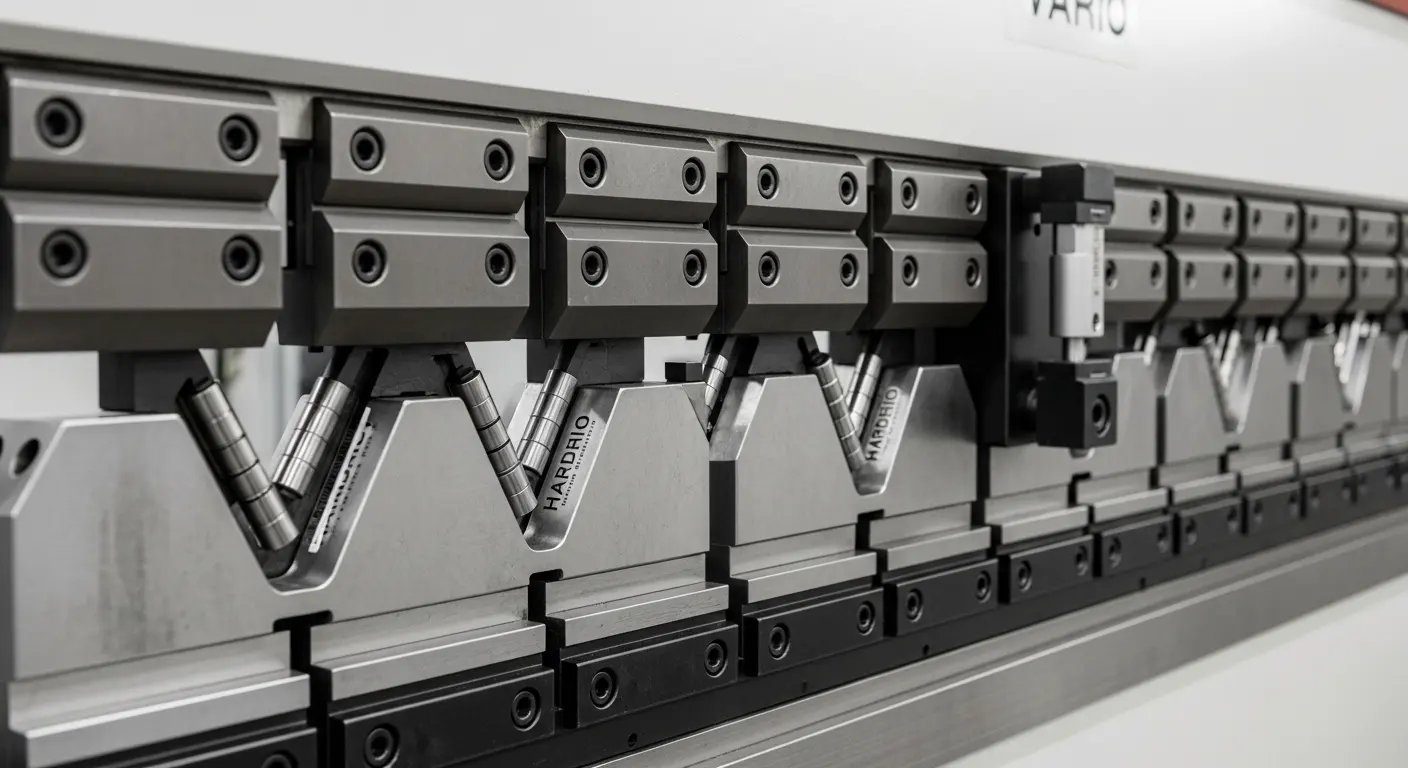
L’une des spécifications les plus sous-estimées dans unMachine de pliage de plaques robuste est la configuration du die. Les matrices en V fixe standard nécessitent des changements d’outil lors du passage d’une épaisseur de matériau à l’autre — ce qui, sur une machine de 600T avec un lit de 12 mètres, est un processus long et physiquement exigeant.
Le système de puces réglables Vario installé sur les freins à pression JS RAGOS robustes élimine ce problème. Chaque segment de puce s’ajuste indépendamment à une ouverture en V différente, permettant plusieurs tailles de V le long du même plateau de frein à pression sans changer d’outil. Le réglage passe par un système pneumatique à 6 bars — positionnement du V minimum au maximum en seulement 5 secondes, avec un signal de confirmation acoustique confirmant le bon positionnement.
Pour les ateliers de plaques lourdes, on fait passer des jauges de matériaux mixtes sur un seul quart — des supports structuraux en acier doux de 12 mm le matin, Brides en inox de 20 mm l’après-midi — le système Vario élimine complètement le goulot d’étranglement du changement d’outil. Les galets internes durcis réduisent également les besoins en force de flexion de 25 à 30 %, ce qui réduit les contraintes du système hydraulique et prolonge la durée de vie du coin lors d’une production soutenue de plaques lourdes.
Machines à laminer à 4 rouleaux pour le travail lourd sur cylindres et coques
Toutes les applications de pliage de plaque robustes n’impliquent pas un freinage à pression angulaire. Réservoirs sous pression, Réservoirs de stockage, Échangeurs de chaleur, Sections de tour à vent, et les bobines de tuyaux nécessitent un formage cylindrique — et c’est le domaine de laMachine de pliage de plaques robuste dans sa configuration roulante.
Une machine à laminer à 4 rouleaux offre des avantages spécifiques par rapport à un système à 3 rouleaux pour la production lourde:
- Le quatrième rouleau pré-plie le bord d’attaque de la plaque sans le repositionner, Éliminer la zone plate à l’extrémité de la plaque
- Le rouleau du bas fournit une référence fixe pour un contrôle constant du diamètre sur de longues séries de production
- Le contrôle CNC complet des quatre rouleaux permet un rayon de flexion programmable, Pression avant flexion, et vitesse d’alimentation des matériaux
Les JS RAGOSMachine à laminer les plaques à 4 rouleaux est disponible en configurations linéaires et de type arc, offrant une flexibilité pour différents profils de production, allant des coques compactes de cuves sous pression aux réservoirs de stockage de grand diamètre.
Pour les applications de roulage hydraulique lourd — y compris les configurations pyramidale à 3 rouleaux et asymétriques à 3 rouleaux — leGamme de machines à laminer des plaques hydrauliques JS RAGOS couvre les spécifications pour des largeurs de plaques allant jusqu’à 6,000mm et des épaisseurs de laminage allant jusqu’à 200 mm en acier doux.
Caractéristiques clés à définir avant l’achat
Lors de la spécification d’unMachine de pliage de plaques robuste, Ce sont les paramètres qui déterminent si la machine correspond à vos besoins réels de production:
Épaisseur maximale de la plaque et grade du matériau. Le S235 en acier doux à 20 mm nécessite une force différente de celle de l’acier structurel haute résistance du S355 à la même épaisseur. Spécifiez toujours à la fois l’épaisseur et la résistance à l’élasticité (MPa) de tes plus épais, le matériau le plus dur — pas seulement l’épaisseur.
Largeur maximale de la plaque (Longueur du lit). La longueur du plateau de la machine doit confortablement dépasser votre plus long format de plaque. Pour la maîtrise à 6,000mm avec angle constant, La longueur du lit, Système de couronnement, et le déplacement de la galope arrière doivent tous s’aligner.
Rayon de flexion intérieur minimal. La plaque lourde nécessite des rayons de flexion minimaux plus importants que la fine feuille pour éviter les fissures à la fibre extérieure. Vérifiez les options d’ouverture de la puce de la machine par rapport à votre rayon de courbure le plus étroit requis pour votre qualité de matériau.
Nombre d’axes requis. Un écartement arrière à 4 axes (Les axes X et R de chaque côté) S’occupe du travail standard sur plaque lourde. Pour les programmes complexes à plusieurs étapes sur de grands composants structurels, Les configurations à 6 axes avec mouvement sur l’axe Z permettent un positionnement asymétrique qui permet d’économiser plusieurs cycles de repositionnement par pièce.
Type de système de couronnement. Pour les longueurs de lits supérieures à 4,000mm, Le couronnage hydraulique automatique est essentiel — pas optionnel. Le couronnement manuel en coin nécessite un recalibrage à chaque changement de jauge de matériau ou d’ouverture en V, ce qui ajoute un temps de montage important sur une machine où chaque minute de configuration a un coût élevé en surface.
Pour les acheteurs évaluant spécifiquement la classe JS RAGOS 600 tonnes, lePage des spécifications du frein à pression CNC de 600 tonnes Couvre les configurations exactes tonnage/longueur, Options de contrôleur, et compatibilité système DSVP.
Applications nécessitant une machine de pliage de plaques robuste
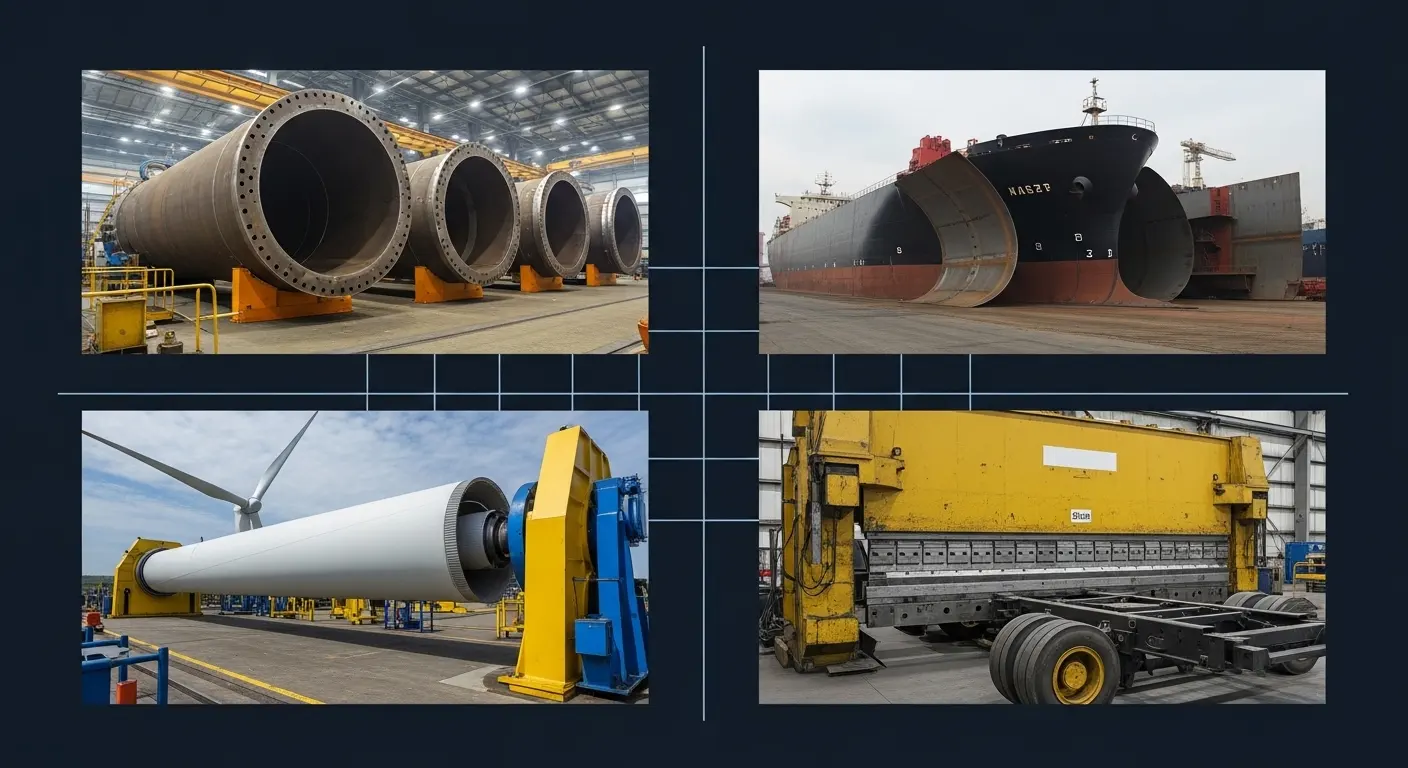
Les industries qui dépendent deMachines robustes à plier des plaques Partageons une exigence commune: cohérent, Flexion répétable sur un matériau épais à des formats de plaques longues, souvent sous des calendriers de production exigeants.
Fabrication de réservoirs sous pression et de chaudières. Brides, Face, et des sections de coque en acier au carbone, Inox, et les alliages chrome-molibdyne nécessitent une flexion à une épaisseur de 15 mm à 60 mm avec des tolérances dimensionnelles strictes et une documentation complète de traçabilité.
Construction navale et fabrication de structures offshore. Éléments du châssis, Sections de coque, et les plaques de pont en acier de qualité navale sont montées à une largeur de 3,000mm–6,000mm, nécessitant des machines avec une longueur de plateau assortie et une grande rigidité du châssis.
Fabrication de tours éoliennes. Les sections de la tour impliquent le roulement de plaques épaisses — généralement de l’acier de structure de 20 mm à 50 mm — dans des cylindres de grand diamètre, qui nécessite des machines à 4 ou 3 rouleaux avec contrôle CNC du diamètre et capacité de pré-pliage.
Équipements miniers et de construction lourde. Châssis, Corps à seaux, et les boîtiers de contrepoids dans les aciers Hardox et similaires résistants à l’usure nécessitent des machines capables de générer une force constante sur des matériaux à haute limite d’élasticité sans usure ni déviation du cadre.
Fabrication de centrales électriques et d’installations industrielles. Échangeurs de chaleur, Supports de tuyau, et les éléments structurels dans la construction de centrales couvrent une large gamme de matériaux — souvent sur le même quart de production — rendant essentiels les systèmes de matrices flexibles et les configurations de rétro-jauge programmables.
Pour les fabricants travaillant spécifiquement dans la construction et les applications de l’acier de structure, leGuide des équipements de pliage CNC pour la construction et la fabrication Couvre la sélection des machines de la gamme de production légère à lourde avec des recommandations de configuration adaptées à l’application.
Mesure d’angle laser pour la précision des plaques lourdes
Un défi constant dans la flexion de la plaque à haute capacité est le reculement — la tendance du matériau épais à revenir partiellement à sa position plate d’origine après la libération de la force de flexion. Acier doux de 20 mm, Le reculement à ressort peut être de 3°à 8° selon la qualité du matériau et l’historique des traitements thermiques. Sans compensation automatique, Les opérateurs replient manuellement jusqu’à atteindre l’angle cible, ce qui fait perdre du temps de cycle et introduit une variabilité d’angle de lot en lot.
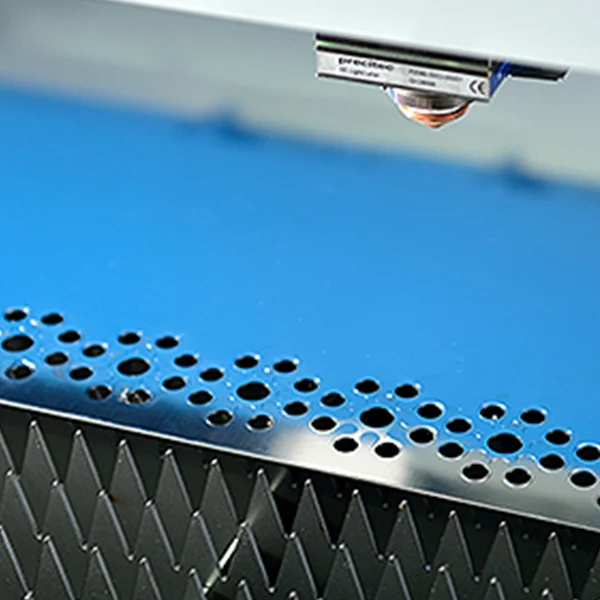
Le système de mesure d’angle de vérification laser JS RAGOS — développé en partenariat avec Data-M et Vision Components — résout directement ce problème. Un faisceau laser projette sur la surface de la feuille lors du pliage; Une caméra détecte l’angle réfléchi en temps réel. Le système calcule l’angle réel de flexion, le compare à la cible, compense le retour à ressort, et ajuste automatiquement la force appliquée. La précision dépasse ±0,1° sans intervention de l’opérateur.
Pour la production de plaques lourdes où 50 à 100 pièces identiques doivent avoir la même dimension angulaire, Ce niveau de correction automatique supprime la variabilité qui s’accumule normalement sur un lot de production prolongé.
Foire aux questions sur les machines de pliage de plaques robustes
Qu’est-ce qu’une machine robuste à plier des plaques?
Une machine à plier des plaques robustes est une machine à frein à pression ou à laminage de plaques conçue pour plier des plaques structurelles épaisses — généralement de 8 mm à 80 mm en acier doux, Inox, ou alliages à haute résistance — à des tonnages de 250T à 3,000T et longueurs de lit à partir de 4,000mm à 12,000mm. Ces machines desservent des industries telles que la fabrication de récipients sous pression, Construction navale, Fabrication de tours éoliennes, et production d’équipements de construction lourds.
Quel tonnage faut-il pour une machine à plier des plaques robuste?
Le tonnage requis dépend de l’épaisseur du matériau, Limite d’élasticité, Largeur d’ouverture en V, et longueur de courbure. Pour le S235 en acier doux de 20 mm à 4,000Longueur de flexion en mm avec une ouverture en V de 10× épaisseur du matériau, environ 400T sont nécessaires. L’acier de structure haute résistance de même dimension nécessite 600 T ou plus. Calculez toujours le tonnage par rapport à votre grade spécifique de matériau — pas seulement à l’épaisseur — afin d’éviter de sous-dimensionner la machine.
Quelle est la différence entre un frein à pression robuste et une machine à laminer des plaques?
Un frein à pression robuste effectue une flexion angulaire — formant des angles spécifiques le long d’une ligne de courbe droite. Une machine à laminer des plaques forme des formes courbes ou cylindriques en faisant passer la plaque entre les rouleaux sous une pression contrôlée. Pour la fabrication structurelle nécessitant des brides, Crochets, et profils angulaires, Un frein à pression est la machine appropriée. Pour les récipients sous pression, Réservoirs, et bobines de tuyaux, Une machine à laminer des plaques est nécessaire. De nombreuses installations de fabrication exploitent les deux.
À quoi sert un système de couronnement sur un frein à pression robuste?
Un système de couronnement compense la déviation du châssis et du bélier lors de la flexion. Sous pleine charge en tonnage, Un cadre de frein à pression se dévie légèrement au centre, ce qui produirait des parties sur-courbées aux extrémités et sous-courbées au centre sans compensation. Un système hydraulique ou mécanique de couronnement introduit une courbe montante contrôlée dans le lit qui annule cette déviation, Garantissant des angles de flexion constants sur toute la longueur de la plaque. C’est essentiel sur les longueurs de plateau supérieures à 4,000mm.
Une machine à plier des plaques robuste peut-elle fonctionner en production 24h/24 et 7j/7?
Oui — à condition qu’il inclue le système de refroidissement et de gestion de l’énergie approprié. Les freins à pression robustes de la série JS RAGOS HG/HM incluent un DSVP (Pompe à double servo) système qui réduit la consommation d’énergie de 60 à 70 % et associé à une unité de refroidissement industrielle dédiée qui stabilise la température de l’huile hydraulique pour un fonctionnement continu, y compris dans des environnements de production à haute température ambiante. Sans système de refroidissement actif, Une production soutenue 24h/24 et 7j/7 fait monter la température de l’huile hydraulique, ce qui dégrade la longévité des joints et la précision du positionnement au fil du temps.
Pour les acheteurs évaluant le point d’entrée de la classe 100 tonnes pour la fabrication d’acier de structure, leFrein à pression CNC JS RAGOS de 100 tonnes pour pliage de plaques d’acier Couvre les spécifications, Options de contrôleur, et la gamme de matériaux pour le travail sur plaques moyennes à lourdes avant de passer à la classe des charges lourdes complètes. De plus,, Les fabricants qui ont besoin de préparation des rainures en V avant de plier sur une plaque épaisse peuvent examiner leGamme de machines à rainures en V JS RAGOS pour la profondeur de rainure avant la courbure, Options d’angle, et la compatibilité des commandes CNC avec les flux de travail des freins à pression.