

Frein à pompe électrique vs hydraulique: Lequel est le mieux pour votre boutique? (Guide 2026)
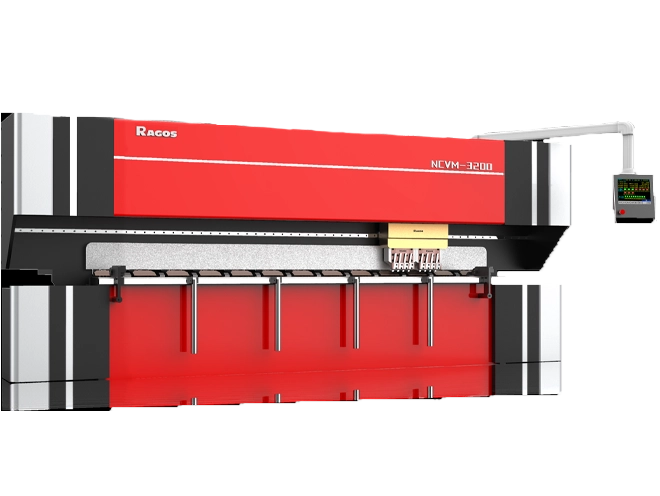
Choisir le bon frein à pression est une décision fondamentale pour toute entreprise de fabrication de métaux. À JS Ragos, Nous comprenons que ce choix impacte directement vos coûts opérationnels, précision, et capacité de production. Que vous regardiez notre grande vitesse Presse plieuse électrique ou notre service lourd Hydraulique et CNC hybride Modèles, Comprendre les différences mécaniques fondamentales est la première étape vers l’optimisation.
La différence fondamentale: Servo-Moteur vs. Puissance hydraulique
Un frein à pression électrique est-il meilleur qu’un frein à pression hydraulique?
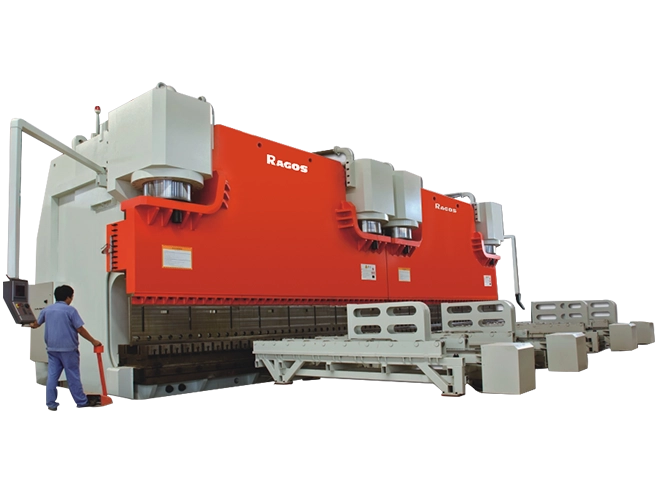
Mieux dépend de l’épaisseur de votre matériau. Freins à pression électriques sont supérieurs pour les travaux de précision sous 150 tonnes, offrant des temps de cycle 30 % plus rapides et ±0.00Répétabilité de 1 mm. Toutefois, Freins à pression hydrauliques Reste la référence en matière de fabrication lourde (plus de 300 tonnes) Grâce à leur puissance brute inégalée et à leur coût initial plus faible.
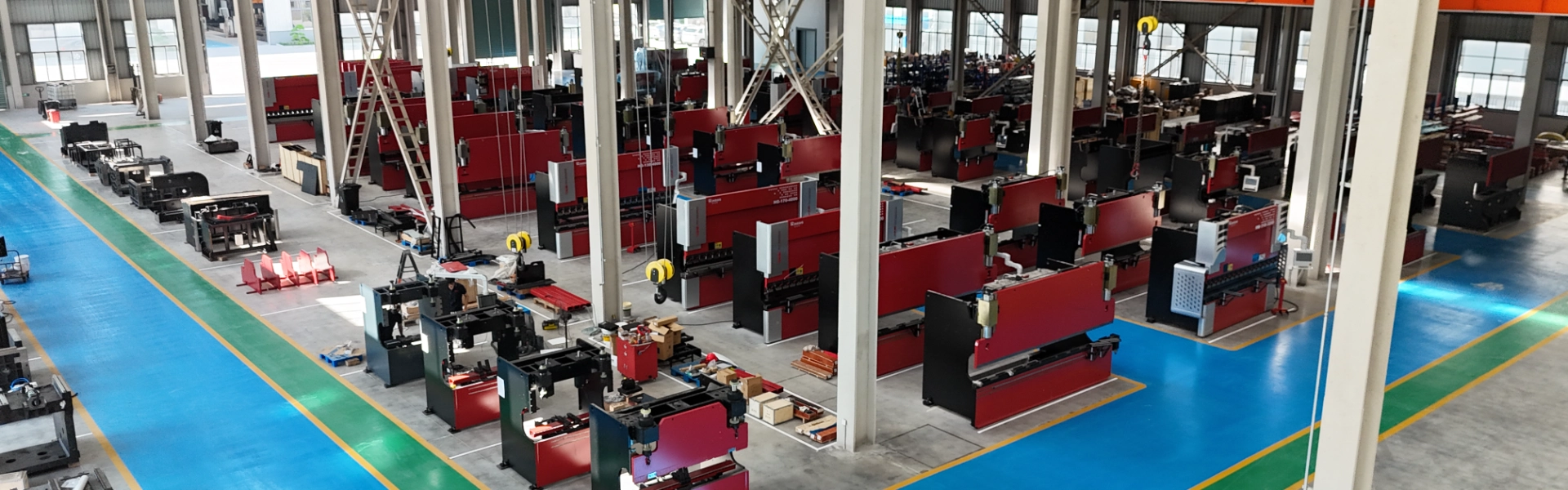
Dans notre usine de fabrication, Nous avons observé que le passage vers l’électrique est provoqué par le "À la demande" Principe de puissance. Les pompes hydrauliques traditionnelles fonctionnent en continu pour maintenir la pression, même lorsque la machine est au ralenti. En revanche,, Freins à pression électriques JS Ragos Utilisez des servo-entraînements qui ne consomment de l’énergie que lors de la courbe réelle.
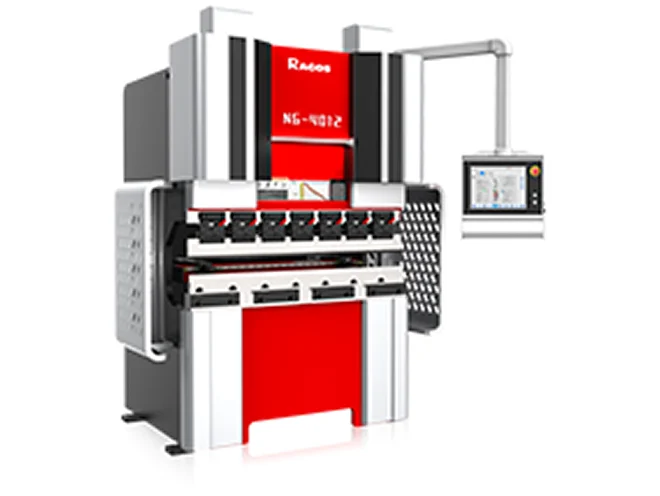
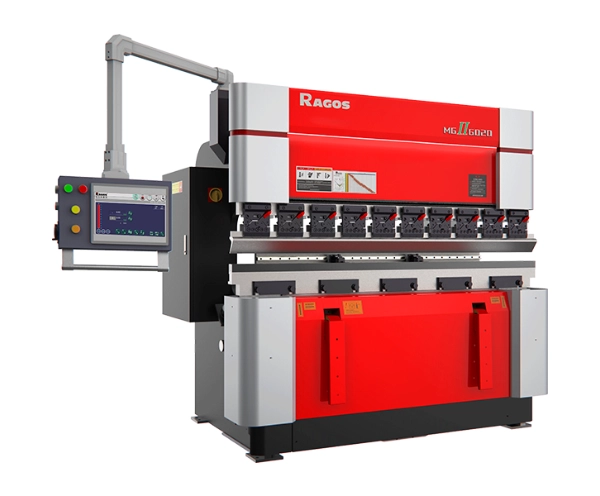
Notre spécialisation Frein à pression électrique 40 tonnes Les modèles démontrent cette efficacité quotidiennement, Livraison de cycles à grande vitesse pour les petites, Des pièces complexes que les machines hydrauliques ne peuvent tout simplement pas égaler en termes de coût par pièce.
Vitesse & Débit: Le "Mute Point" Secret
Combien d’énergie un frein à pression électrique économise-t-il?
Un frein à pression électrique consomme jusqu’à 80 % d’énergie en moins plus qu’un modèle hydraulique traditionnel. Contrairement aux pompes hydrauliques qui fonctionnent en continu pour maintenir la pression, Les servomoteurs électriques ne consomment de l’énergie que lors du mouvement de flexion réel. Pour une machine de 100 tonnes, Cela peut entraîner des économies annuelles supérieures à 2 $,500 selon les tarifs de l’énergie de 2026.
Au-delà de l’énergie, L’avantage réel que l’on observe dans les boutiques clients est l’élimination de "Temps de repos." Les systèmes hydrauliques nécessitent un moment pour que la pression du fluide monte et les vannes pour faire fonctionner. Modèles électriques JS Ragos éliminer cette latence.
- Approche plus rapide: Les servomoteurs permettent un mouvement rapide du bélier.
- Flexion instantanée: Pas d’attente pour la stabilisation de la pression hydraulique.
- Cartoliers à grande vitesse: Nos systèmes disposent de X, R, et des mouvements sur l’axe Z avec des vitesses allant jusqu’à 1000 mm/s pour l’axe Z.
Précision et le "Première partie, Partie droite" But
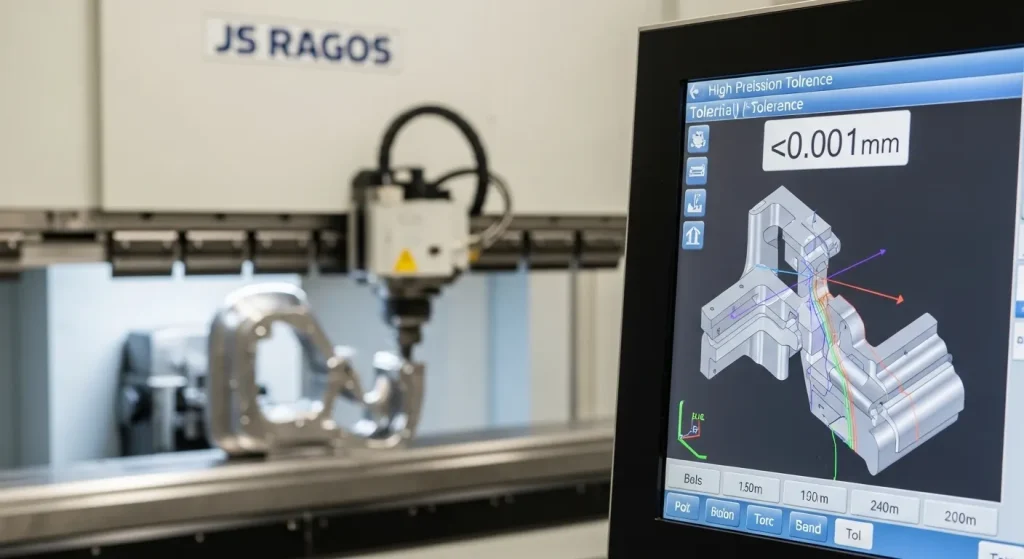
La précision en 2026 ne se limite pas au premier virage; c’est à propos du 1,000th. L’huile hydraulique est sensible à "Dérive thermique"—lorsque l’huile chauffe pendant un service, Ses variations de viscosité, ce qui entraîne de légères variations dans les angles de flexion.
JS Ragos cela s’applique en utilisant l’analyse par éléments finis (LAID) pour optimiser nos trames. Toutefois, pour une précision absolue, Nos modèles électriques et hybrides offrent la plateforme la plus stable.
| Métrique | Frein à pression hydraulique | Presse plieuse électrique | JS Ragos CNC hybride |
| Répétabilité | ±0.01mm | ±0.001mm | ±0.005mm |
| Consommation d’énergie | 100% (Référence) | 20% - 30% | 50% - 70% |
| Temps d’échauffement | 15 à 30 minutes | Instantané | <5 minutes |
| Niveau de bruit | 75 dB | ~20 dB | ~25 dB |
La réalité de la maintenance: Huile vs. Électricité
Quelles sont les différences d’entretien entre l’électrique et l’hydraulique?
Les freins à pression électriques nécessitent à peu près 70 % d’entretien en moins car elles éliminent l’huile hydraulique, Filtres, et fuites de joint. Les systèmes hydrauliques nécessitent des contrôles trimestriels des fluides et sont sensibles à "Dérive thermique," tandis que les systèmes électriques utilisent des entraînements à billes ou à courroie stables qui maintiennent la précision malgré les fluctuations de température en atelier.
Nous en parlons souvent à nos clients: "Si tu n’as pas d’huile, Vous n’avez pas de fuites." Dans un environnement commercial très fréquenté, L’absence de filtres hydrauliques, vannes, Et les joints signifient moins de temps d’arrêt. Notre JS Ragos Les machines utilisent des composants de haute qualité provenant de partenaires tels que Hiwin et TPI pour les guides linéaires et les vis à billes, garantissant que le mécanisme de transmission reste précis pendant des années avec un minimum d’intervention.
Pour ceux qui gèrent des budgets plus importants, Compréhension du Coût du frein à pression CNC Il s’agit de passer outre le prix affiché et de calculer ces économies d’entretien à long terme.
La solution hybride 2026: Pourquoi s’installer?
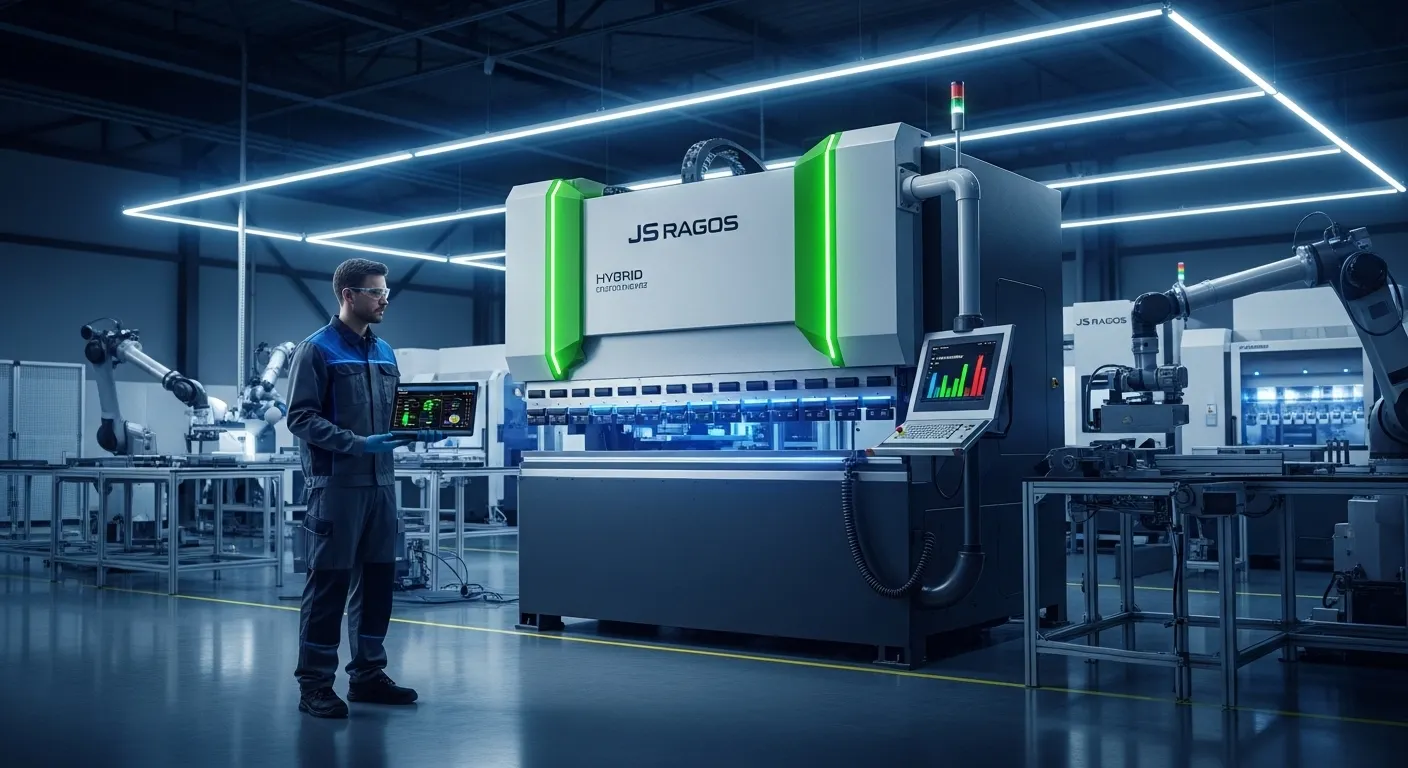
Si votre atelier nécessite le lourd tonnage d’un système hydraulique (jusqu’à 600T) mais il souhaite l’efficacité d’un servo-moteur, le Frein à pression CNC hybride JS Ragos est la réponse de l’industrie. Ces machines utilisent un système de servo-pompe qui n’active l’hydraulique que lorsque nécessaire.
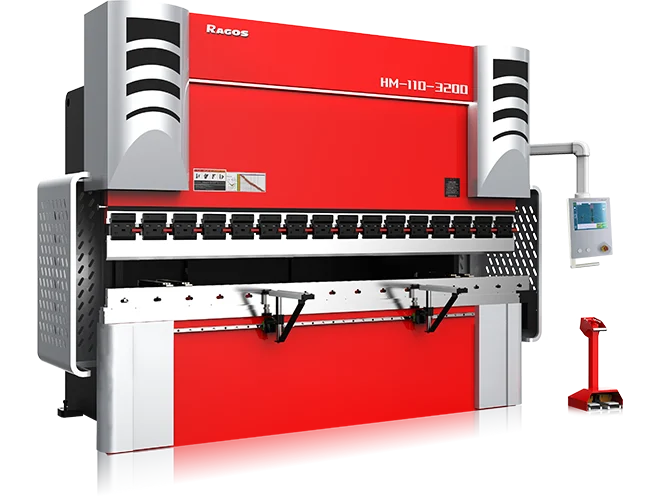
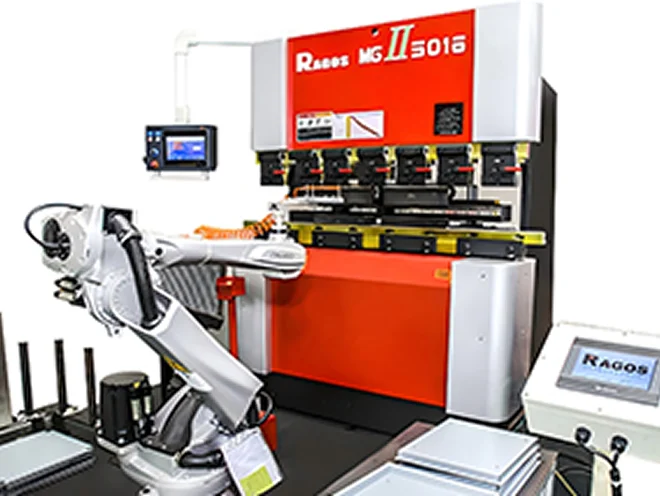
Nous avons constaté que notre Modèles hybrides HG/HM augmenter la productivité de 30 % tout en réduisant les factures d’électricité jusqu’à 30 % par rapport aux machines hydrauliques classiques à moteur Siemens. Cela les rend idéaux pour Automatisation du frein à pression où la cohérence et le cycle de travail sont primordiaux.
Questions fréquemment posées
Pour les plaques lourdes et l’acier inoxydable épais (sur 10 mm), a Frein à pompe hydraulique ou hybride est recommandé. Ces machines fournissent le tonnage soutenu et élevé nécessaire à une déformation lourde que les modèles électriques plus petits ne peuvent pas atteindre.
La rénovation est rarement rentable. Le châssis d’un frein à pression électrique est spécifiquement conçu pour différentes distributions de charges et des mécanismes servomoteurs à grande vitesse. Nous recommandons d’investir dans un service spécialement conçu Outillage & Automatisation package sur une nouvelle machine pour le meilleur retour sur investissement.
Oui, dans les machines hydrauliques traditionnelles, La viscosité de l’huile varie avec la température, provoquant la dérive d’angle. Les freins à pression électriques sont "Thermostable," c’est-à-dire qu’ils offrent la même précision au premier virage de la matinée qu’à la fin d’un long service.
Avec des vis à billes de haute qualité et une lubrification appropriée des guides linéaires, a Frein à pression électrique JS Ragos est conçu pour une durée de vie dépassant 15 ans dans un environnement à haute production, en grande partie à cause du nombre réduit de pièces mobiles et de l’absence d’usure hydraulique à haute pression.