

Qu’est-ce qu’un frein à pression et d’où vient ce nom?
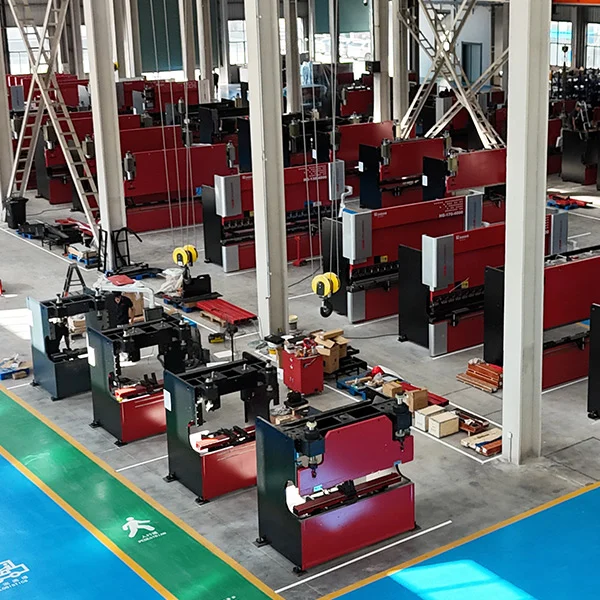
Le frein à pression est le plus important, ou les plus utiles, machine dans tout le monde de la fabrication métallique. Qu’il s’agisse de simple pliage de tôle ou de création de formes angulaires de composants industriels basées sur une complexité angulaire, Les freins à pression sont au cœur de la fabrication mondiale. Mais peu importe où il est si abondant en points d’occurrence, beaucoup de nouveaux venus dans l’art de la fabrication se posent la même question : Quoi, alors, est un frein à pression, et comment cela en est-il venu à être appelé ainsi?
Voici notre guide détaillé, Où nous allons discuter des bases des freins à pression, comment ils sont arrivés à l’existence, et comment ils sont devenus une nécessité dans les boutiques de toute l’Amérique du Nord, Europe, et l’Asie.
Qu’est-ce qu’un frein à pression?
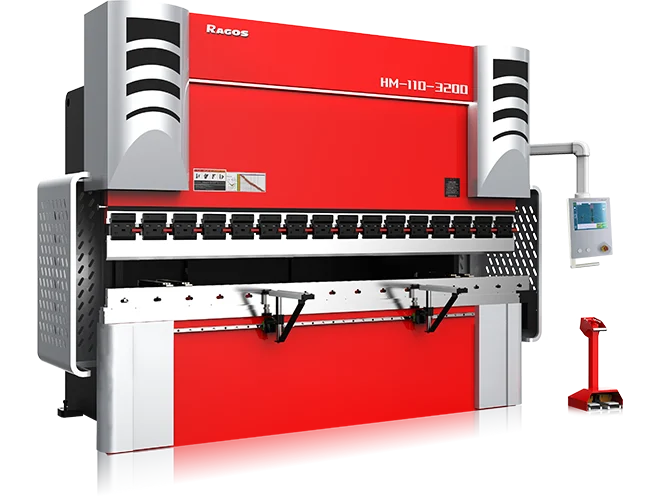
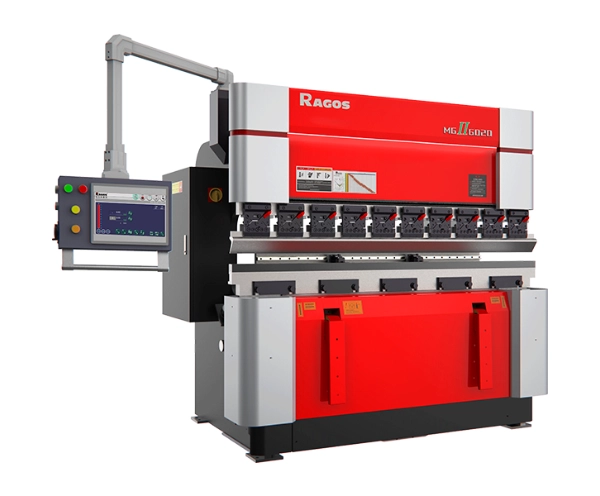
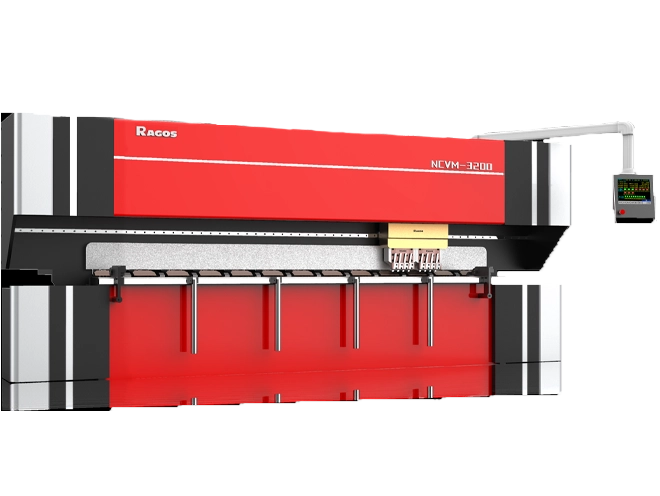
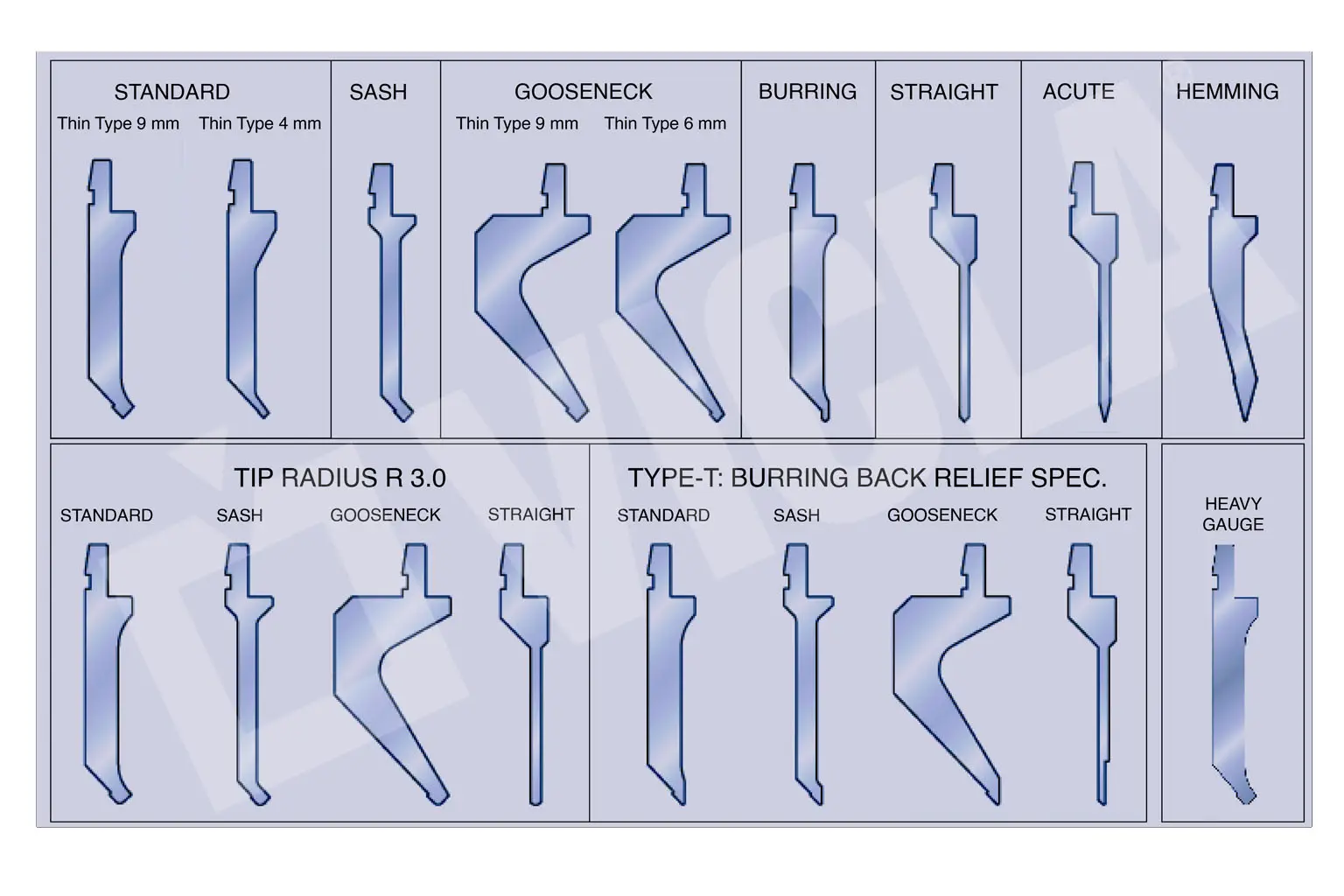
A Frein à pression est une machine utilisée pour plier et façonner la tôle en la pressant entre un poinçon (Outil supérieur) et un dé (Outil inférieur). Lorsque la force est appliquée, La tôle céde et se plie pour correspondre à la forme de l’ouverture de la matrice, créer des angles précis, contours, et profils pliés.
Les freins à pression se retrouvent dans des industries telles que:
-
Fabrication automobile
-
Structures aérospatiales
-
Boîtiers pour appareils électroménagers et électroniques
-
Construction et maçonnerie architecturale
-
Cadres de machines industrielles
La polyvalence d’un frein à pression lui permet d’effectuer un large éventail de tâches—des courbes simples en angle droit aux séquences de formage à plusieurs étapes.
Comment fonctionnent les freins à pression
Un système typique de frein à pression comprend:
🔹 Châssis et bélier
Le Cadre Abrite le mécanisme de flexion, tandis que le bélier (ou faisceau) se déplace verticalement pour presser l’outillage dans la pièce.
🔹 Punch and Die
-
Punch: L’outil supérieur qui enfonce dans le métal.
-
Le: L’outil du bas qui façonne le métal en fonction du profil du poinçonnage.
Les formes d’outillages varient beaucoup et peuvent être inversées pour obtenir différents rayons de courbure, Angles, et profils.
Le rôle des commandes CNC
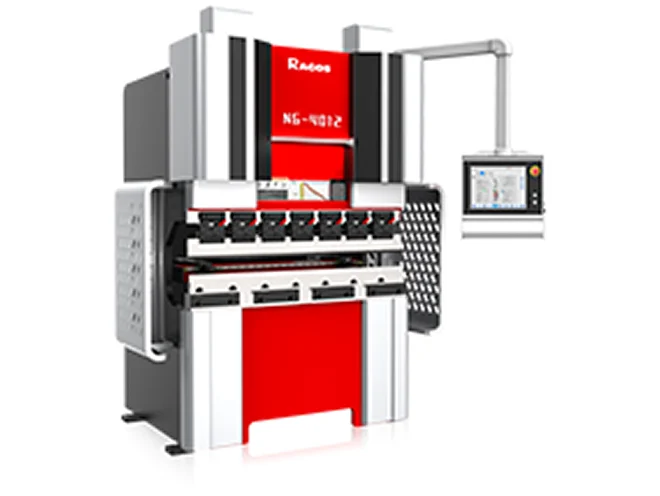
Les freins à pression modernes sont équipés de CNC (Contrôle numérique informatique) systèmes qui:
-
Position précise des jauges de position arrière
-
Automatiser les séquences de courbure
-
Stocker des programmes reproductibles
-
Améliorer la précision et réduire le temps d’installation
Les freins à pression CNC sont désormais de série dans les installations de fabrication haute précision et les chaînes de production automatisées.
Où vient le nom « Frein à pression” Venez de?
Le terme « frein à pression »” Cela peut sembler mécanique ou industriel, Mais son origine est à la fois historique et descriptive.
« Press”
Cette partie du nom provient de l’opération de base: La machine Presses métal dans une forme désirée en appliquant une force contrôlée. Les premiers métallurgistes ont découvert qu’en exerçant une pression contre une matrice fixe, ils pouvaient plier et plier la tôle de manière systématique.
« Freine”
Le mot « frein »” a des racines dans un langage ancien où cela signifiait « plier,” « pour casser,” ou « presser.” Dans le lexique ancien de la métallurgie, Les matériaux étaient souvent « freinés »” (courbé ou façonné) Utilisation de la force mécanique. Au fil du temps, « Frein” Il en est venu à désigner des machines spécifiquement conçues pour plier le métal.
Ainsi, a Frein à pression est littéralement une machine qui appuie sur le métal pour le plier.
Brève histoire des freins à pression
Débuts
À l’époque précédant la mécanisation, Le façonnage du métal était réalisé à la main avec des marteaux, enclumes, et des gabarits simples. Ces méthodes étaient laborieuses et incohérentes.
Leviers mécaniques et arbres à cames
Au fur et à mesure que l’industrialisation progressait à la fin du XIXe et au début du XXe siècle, Des presses mécaniques avec leviers et systèmes à cames ont commencé à apparaître dans les usines. Ces premiers freins permettaient aux métallurgistes d’appliquer une force plus importante avec moins d’effort manuel.
Systèmes hydrauliques
Les freins à pression hydrauliques sont apparus au milieu du XXe siècle, Présentation:
-
Livraison contrôlée de la force
-
Action de flexion lisse
-
Puissance accrue pour les matériaux plus épais
L’hydraulique est devenue l’épine dorsale des équipements industriels de pliage.
CNC et automatisation numérique
À la fin du XXe et au début du XXIe siècle, La technologie CNC a révolutionné le fonctionnement du frein à pression. Les commandes numériques ont remplacé les échelles manuelles, permettant:
-
Programmation en angle précis
-
Automatisation de la jauge arrière
-
Séquences complexes à multiples courbures
Les freins à pression CNC d’aujourd’hui combinent puissance mécanique et intelligence numérique.
Types de freins à pression
🔹 Freins à pression manuels
Machines de base actionnées par des leviers manuels. Aujourd’hui, Ils sont limités à de simples courbes et de petits ateliers.
🔹 Freins à pression hydrauliques
Le type industriel le plus courant, utilisation de vérins hydrauliques pour fournir une force de flexion pour des plaques plus épaisses et des charges de travail plus lourdes.
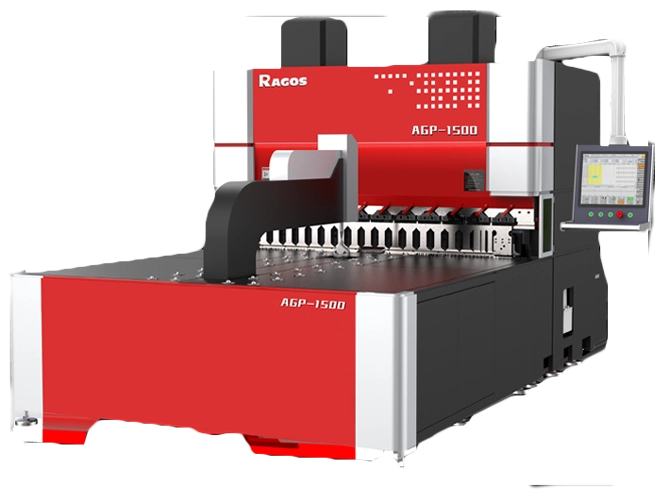
🔹 Freins à pression hydrauliques CNC
Machines hydrauliques améliorées par des commandes numériques. Ils sont la norme dans la fabrication industrielle pour améliorer la productivité et la précision.
🔹 Freins à pression servo-électriques
Utilisation de moteurs électriques au lieu d’hydrauliques, Celles-ci offrent des cycles rapides et un fonctionnement économe en énergie—Populaire pour le travail de la tôle de haute précision.
Applications intersectorielles
Les freins à pression sont utilisés dans d’innombrables applications, y compris:
Automobile
-
Panneaux de carrosserie
-
Châssis
-
Supports et supports
La flexion de précision garantit que les pièces s’ajustent avec précision dans les assemblages.
Aérospatial
Les composants intérieurs et les supports structurels des avions reposent sur des courbes régulières pour la performance et la sécurité.
Équipements industriels
Boîtiers fabriqués, Cadres de support, et les pièces de machine sur mesure commencent toutes par un pliage précis du métal.
Travail architectural du métal
Des murs-rideaux aux panneaux métalliques décoratifs, Les freins à pression permettent d’obtenir des formes métalliques à la fois fonctionnelles et esthétiques.
Comment la technologie du frein à pression a évolué
Au fil des décennies, Les freins à pression ont connu des améliorations spectaculaires dans:
🔹 Précision
Le positionnement CNC apporte une précision angulaire mesurée en fractions de degré.
🔹 Vitesse
Les séquences CNC automatisées permettent de gagner du temps de configuration et de réduire la durée du cycle.
🔹 Intégration
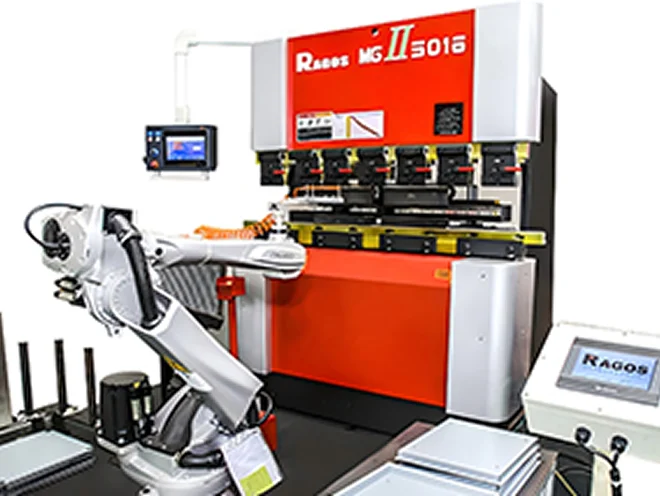
Les freins à pression se connectent désormais aux systèmes CAO/FAO, Dispositifs de manutention des matériaux, et automatisation robotique.
🔹 Sécurité
Rideaux lumineux, Scanners de sécurité, et les interfaces opérateurs améliorent la sécurité des machines.
Cette évolution a transformé le frein à pression en un plus intelligent, Rapide, et un outil de fabrication plus fiable.
Choisir le bon frein à pression
Lors de la sélection d’un frein à pression, considérer:
📌 Capacité de flexion
Ajuster le tonnage à l’épaisseur du matériau.
📌 Longueur de flexion
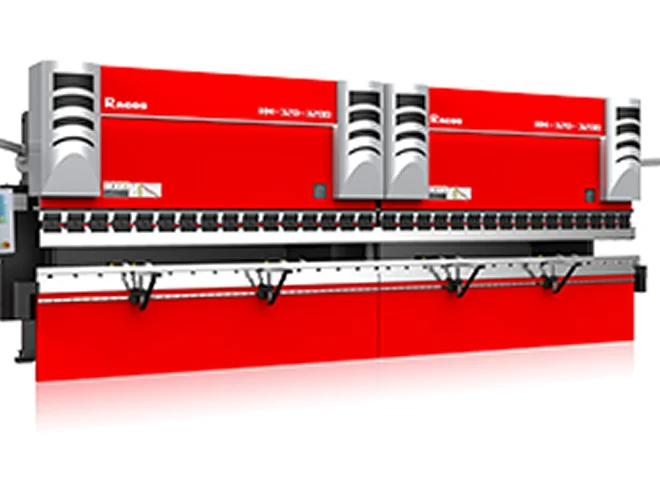
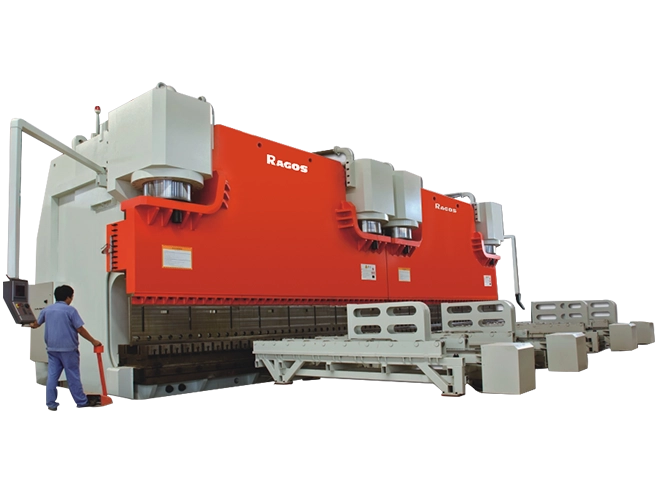
Les plateaux plus longs supportent de grands panneaux et des pièces structurelles.
📌 Système de contrôle
Des contrôles CNC intuitifs réduisent le temps de configuration et améliorent la répétabilité.
📌 Options d’outillages
Les ensembles de puces et de poinçons déterminent les profils de flexion réalisables.
📌 Potentiel d’automatisation
Le support de l’intégration robotique et de l’automatisation des jauges arrière améliore le débit.
Choisir la bonne configuration garantit que votre frein à pression correspond à la fois aux besoins actuels de fabrication et à la croissance future.
Freins à pression dans la fabrication mondiale
De l’autre côté Amérique du Nord, Europe, et Asie, Les freins à pression continuent d’être la colonne vertébrale de la fabrication:
-
Dans le États-Unis, Ils desservent des industries diverses, de la construction à la fabrication industrielle.
-
Dans Allemagne et Europe, les presses CNC de haute précision soutiennent les secteurs automobile et aérospatial.
-
Dans Chine et Asie du Sud-Est, La croissance de la capacité de production stimule la demande de systèmes hydrauliques robustes et de pliage CNC.
Quelle que soit la région, Les freins à pression restent essentiels pour façonner le métal en pièces fonctionnelles.
L’avenir de la technologie des freins à pression
En regardant vers l’avenir, Les freins à pression continueront d’évoluer avec:
-
Optimisation de la flexion assistée par l’IA
-
Surveillance machine connectée au cloud
-
Outillage intelligent et commandes adaptatives
-
Une plus grande automatisation grâce à l’intégration robotique
Ces avancées amélioreront encore la précision, Réduire les coûts d’exploitation, et améliorer la productivité des installations de fabrication dans le monde entier.
Conclusion: Comprendre le frein à pression
Un brasage à presse n’est pas un simple équipement de plus en atelier, Mais c’est un outil de façonnage précis qui possède une histoire de fabrication remontant à plus de 500 ans. Les freins à pression ont évolué depuis les systèmes mécaniques bas de gamme vers les systèmes hydroélectriques CNC haut de gamme et ont révolutionné la façon dont le métal peut se plier et fonctionner.
Savoir ce qu’est un frein à pression, L’origine de son nom, et le mécanisme donnerait aux fabricants les connaissances nécessaires pour choisir la machine appropriée, et obtenir les résultats optimaux lors de la flexion.
Nous proposons des solutions de freins à pression de pointe avec précision, force, et la compatibilité avec les procédés de fabrication actuels à travers toute l’Amérique du Nord, Europe, et l’Asie.